Wildlife crossings are structures built over or under roads to help animals cross safely and to reconnect habitats. Learn more!
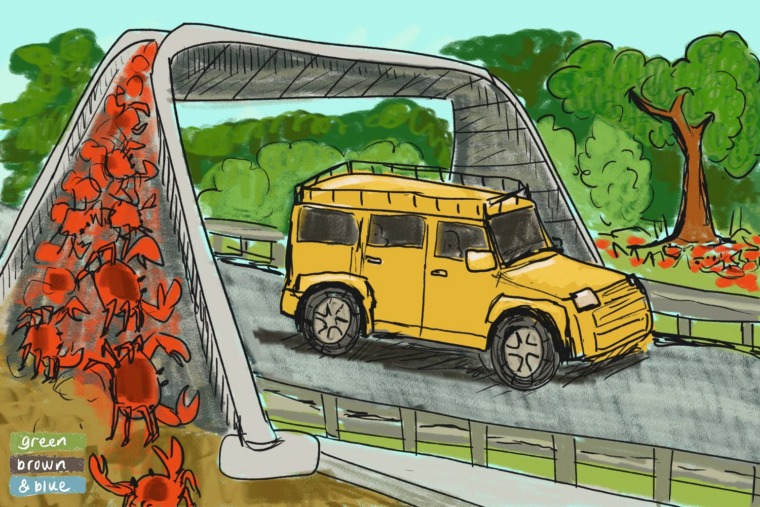

Wildlife crossings are structures built over or under roads to help animals cross safely and to reconnect habitats. Learn more!

Roads may be great for us, but what do they mean for wildlife and the environment? Let’s find out.

Watch the video to learn how scientists are using AI to count fast-moving bats.

For the Indigenous Macaquiño community, fishing is an important part of daily life. Traditional fishing methods have been passed down through generations.

High in the Amazon rainforest, scientists have set up artificial nest boxes fitted with cameras to observe the secret lives of macaws.

In this episode of Stranger Creatures, we explore some of the Amazon rainforest’s most bizarre fungi, including the infamous “zombie” fungus.

There are eight species of bears. From berry-loving brown bears, to bamboo-munching giant pandas, and ice-roaming polar bears, bears are diverse and adaptable animals.
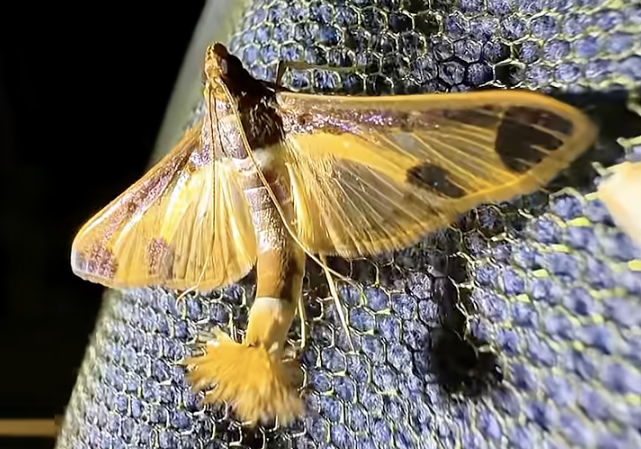
The Amazon rainforest is home to tens of thousands of different moth species, and they come in every color, shape, and size.

Learn how to draw the largest living bird! And discover some fun facts.

Thanks to new technology, scientists can now attach tiny devices called biologgers to slippery stingrays.

The Campbell’s keeled glass-snail was once thought to be extinct. Then researchers discovered a wild population in 2020.

Tarantulas are terrific, not terrifying!