Bengaluru has the largest population of leopards in India.


Bengaluru has the largest population of leopards in India.
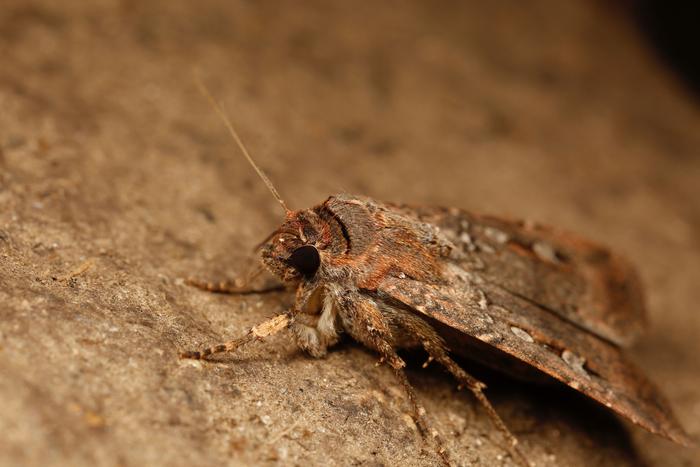
The Bogong moths of Australia make an amazing migration each year using stars to guide them.

Conservation can work! Green turtles and a little snail show how it’s done.

People have seen and photographed much more of the moon’s surface than they have the deep seafloor of Earth.
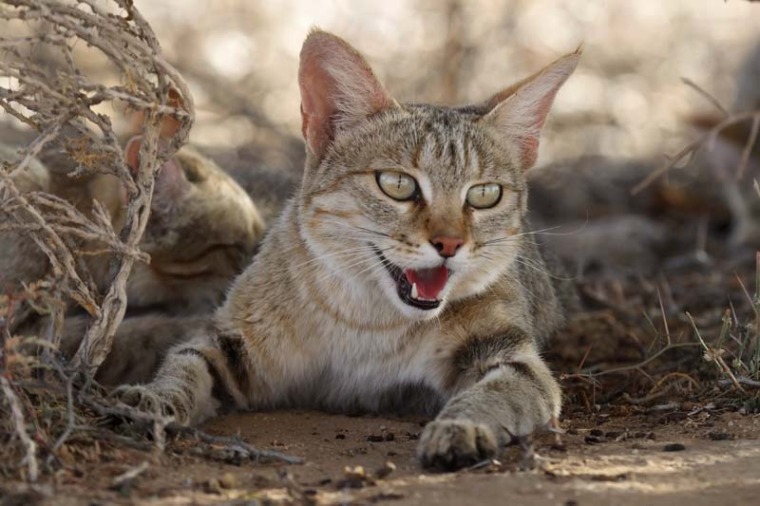
Dogs are domesticated relatives of wolves. But do you know where your pet cat originally came from?

Meet a new manta ray, a long-tailed mouse opossum, and other amazing species!
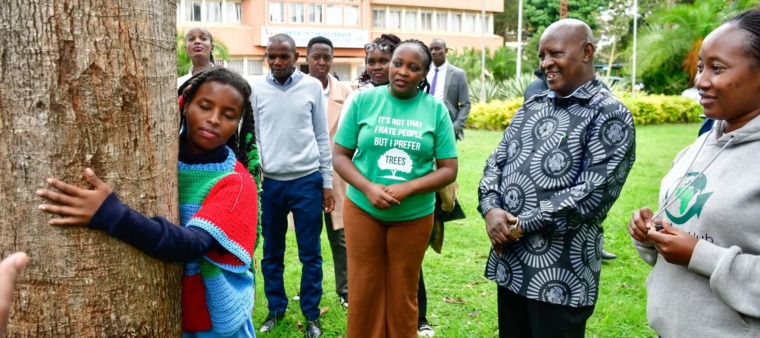
Truphena Muthoni hugged a tree for 72 hours to help protect forests and raise awareness about nature.

As their cloud forest gets warmer, salamanders are climbing high into trees to find cool, moist new homes.
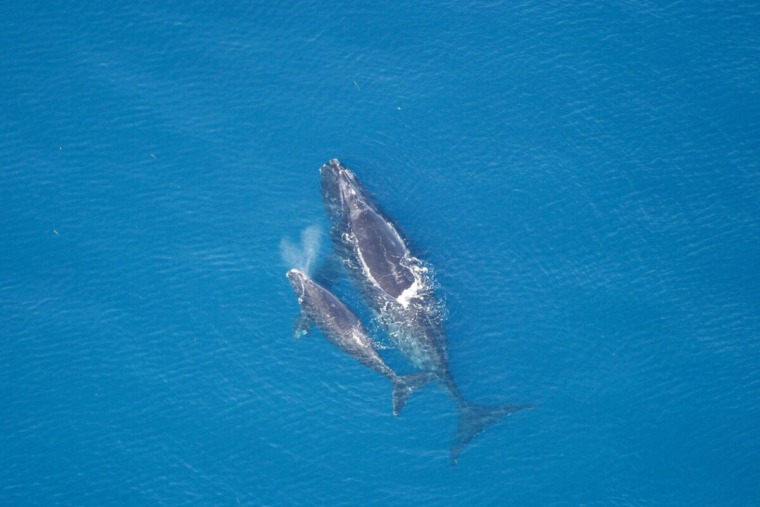
Scientists are using underwater microphones, aerial surveys, and machine learning to count endangered North Atlantic right whales.

Steve Djeutchou turns banana peels into charcoal so people don’t have to cut down as many trees.
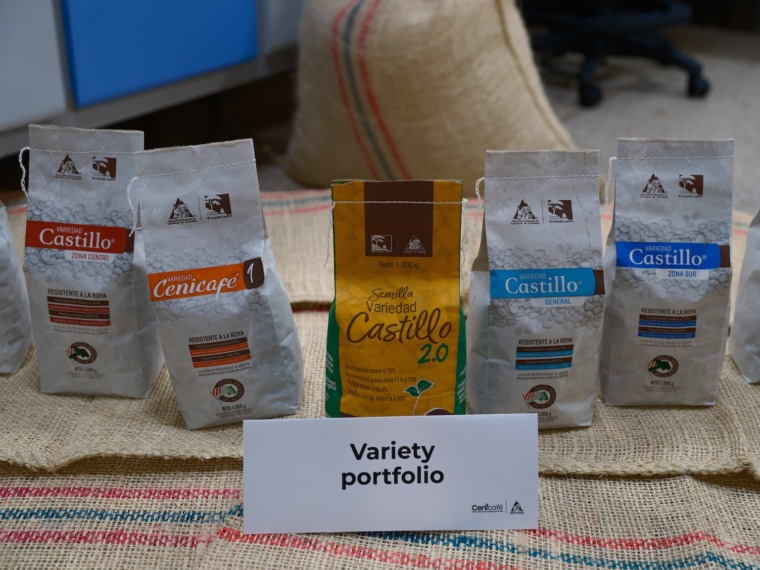
Coffee is loved around the world. In Colombia the changing climate leads to many challenges for growing coffee.
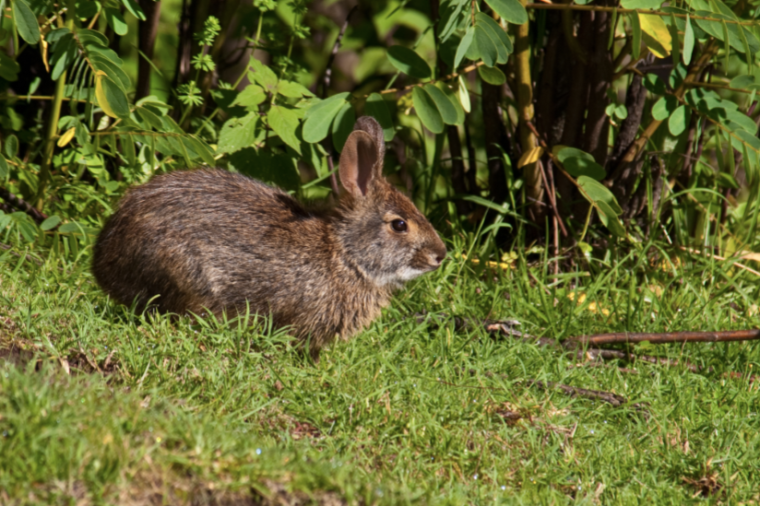
The Omiltemi cottontail was last seen 120 years ago!