Many animal species are in trouble. Habitat loss, pollution, and climate change are some of the biggest challenges they face. But there is good news: conservation can work! With time and support, animal populations can grow and recover.
In 2025, Mongabay reported on these five animals making a comeback:
1. Green turtle

Scientific name: Chelonia mydas
Where: Subtropical and temperate oceans around the world
Fun fact: Female green turtles are expert navigators. They return to the exact beach where they were born to lay their eggs!
Conservation update: Moved from endangered to least concern on the IUCN Red List in 2025.
How? Laws made it illegal for people to trade and hunt these turtles. Other conservation strategies include protecting nesting beaches and using devices that keep turtles from being caught in fishing nets.
2. Cape vulture

Scientific name: Gyps coprotheres
Where: Southern Africa
Fun fact: This is the largest vulture species in southern Africa.
Conservation update: Moved from endangered to vulnerable on the IUCN Red List in 2021 because the number of vultures has increased.
How? Decades of conservation work included breeding vultures in captivity, making dangerous power lines safer for them, and working with farmers and other landowners to protect these important scavengers.
3. Campbell’s keeled glass-snail
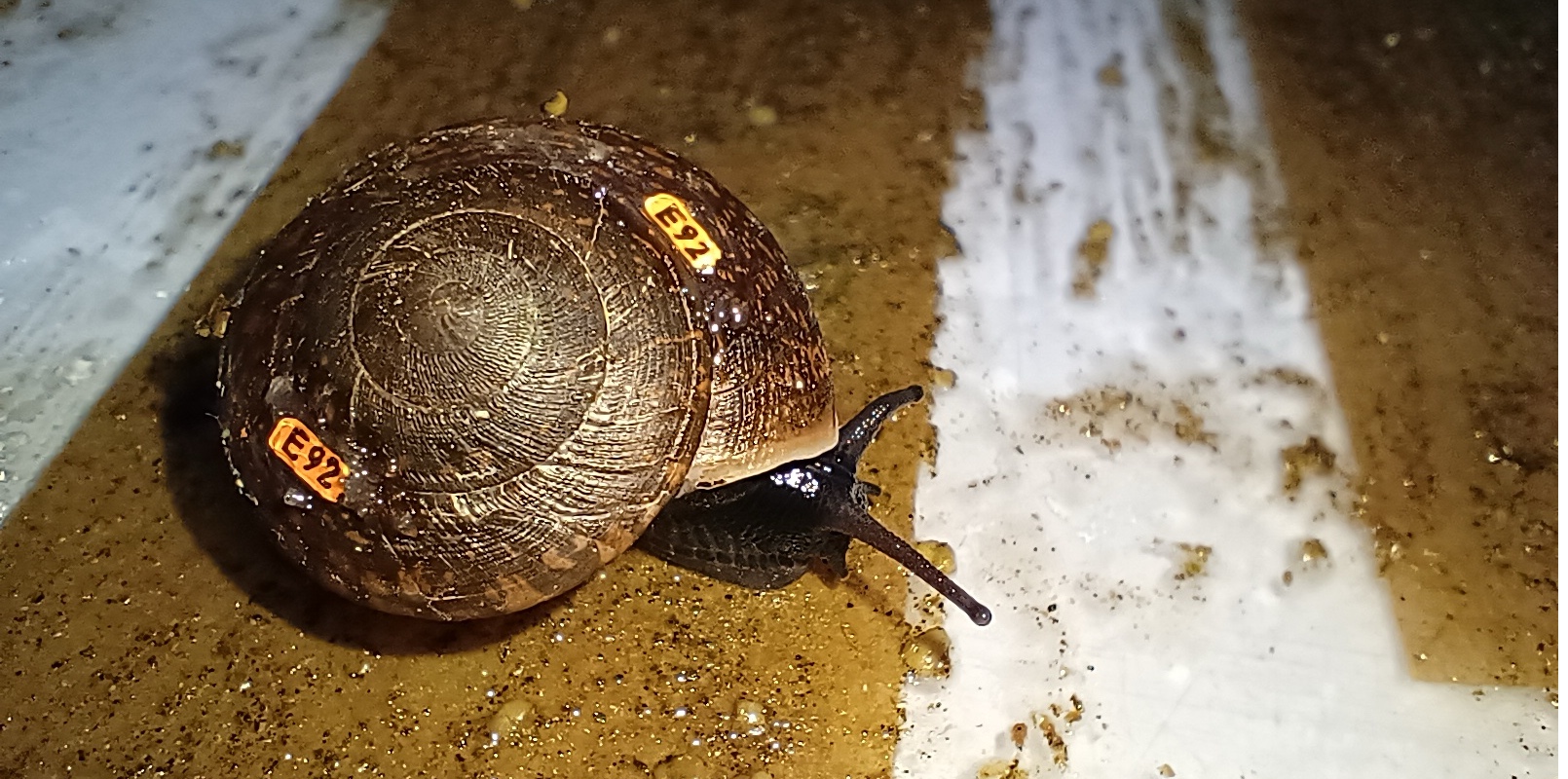
Scientific name: Advena campbelli
Where: Norfolk Island, off the coast of mainland Australia
Fun fact: Norfolk Island is a snail hotspot! Scientists have recorded 62 species of snail found nowhere else on earth.
Conservation update: Once thought to be extinct, there are now more than 800 of these snails.
How? The snails were bred in captivity at Taronga Zoo in Sydney and then released into the wild on Norfolk Island, where they are now multiplying.
4. Bali starling

Scientific name: Leucopsar rothschildi
Where: The Indonesian islands of Bali and Nusa Pendida
Fun fact: These striking white songbirds, also known as Bali mynas, are known for their beautiful, melodic calls.
Conservation update: From just six birds left in the wild, there are now hundreds. A 2021 survey counted 420 starlings in Bali Barat National Park.
How? On Nusa Pendida, Indigenous-led conservation programs are helping to protect captive-bred birds after they are released into the wild.
5. Siberian crane

Scientific name: Leucogeranus leucogeranus
Where: Northeastern Russia and China
Fun fact: Siberian cranes are amazing dancers! They leap, bow, and flap their wings to communicate, even when they’re alone.
Conservation update: This bird is still critically endangered, but their numbers have increased by 50% over the past 10 years.
How? Conservationists worked to protect safe stopover sites along the crane’s migratory route between Russia and China.
This story has been adapted for Mongabay Kids. It is based on an article by Shreya Dasgupta, published at Mongabay.com.