Imagine exploring a cave system and discovering not one, or two, but more than 10 new species! Scientists working in Cambodia have done just that.
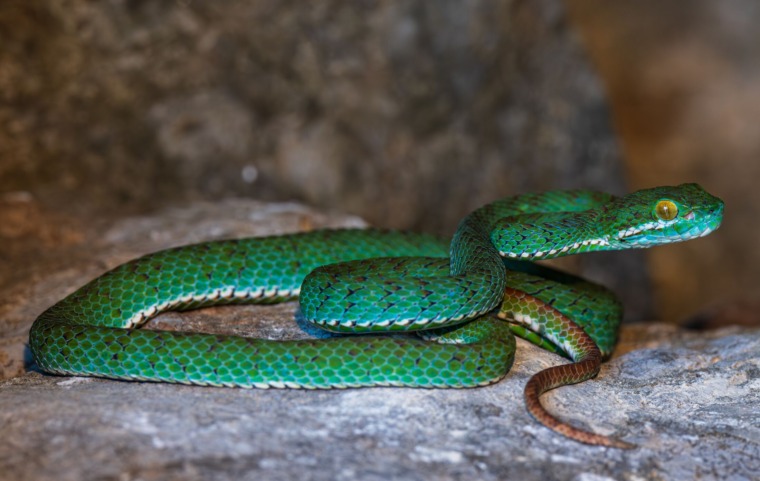

Imagine exploring a cave system and discovering not one, or two, but more than 10 new species! Scientists working in Cambodia have done just that.

More than 100 quadrillion kilometers of fungal threads help support plant life on Earth.
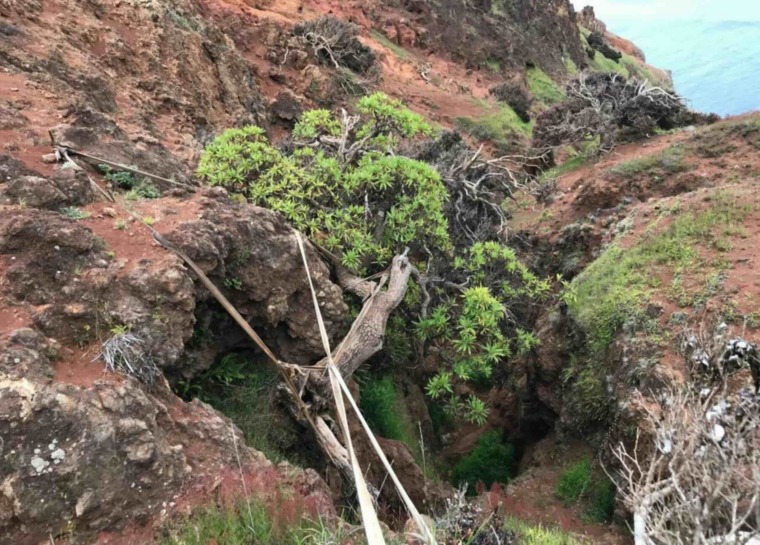
Learn how conservationists are trying to save the last known wild tree of its species.
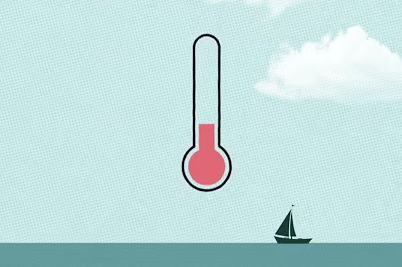
Learn why scientists are trying to measure methane gas seeping up from the seafloor.
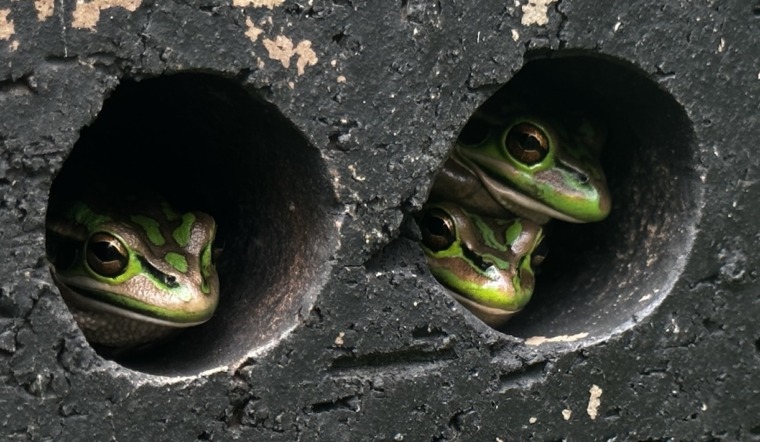
Simple structures made of brick may help Australian frogs fight a deadly fungus.
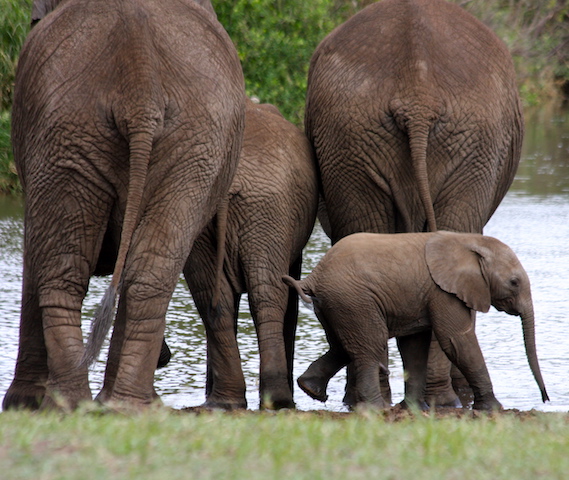
Did you know elephants are scared of bees? That’s good news for farmers. In Tanzania, a conservation group is using drones that mimic the buzzing of bees to guide elephants away from farmers’ crops and back into the wild. The drones are one way to…

Parrots are chatty birds, but have you ever wondered what they are saying to each other?

Scientists in Costa Rica set up camera traps to find out!
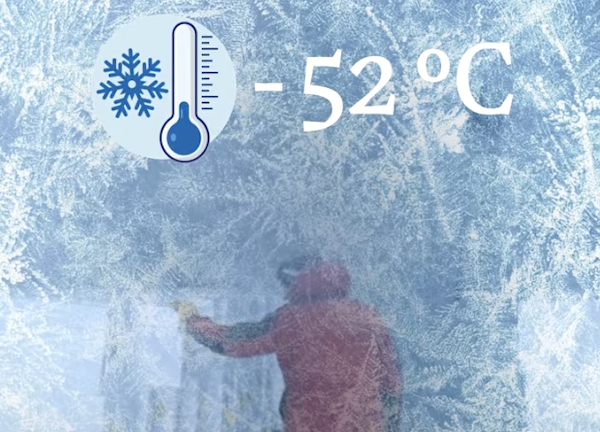
Tiny bubbles trapped inside the ice contain ancient air, giving scientists clues about the history of Earth’s climate.

A deep dive into bioplastics and other possible solutions to the plastic pollution problem.

A sister and brother founded a business to help clean up the Mediterranean Sea near their home in Spain.
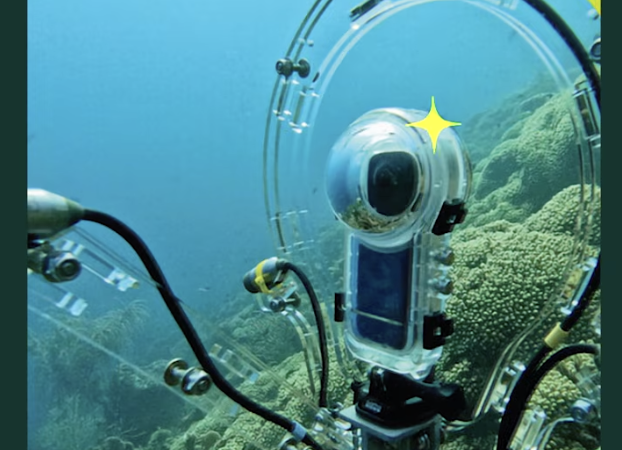
Fish make sounds, from grunts and pops to drums, and even farts. But what do they mean?