Researchers studied plants used by the Vungu people and gorillas in Gabon and found they have special qualities that can fight diseases and bacteria.
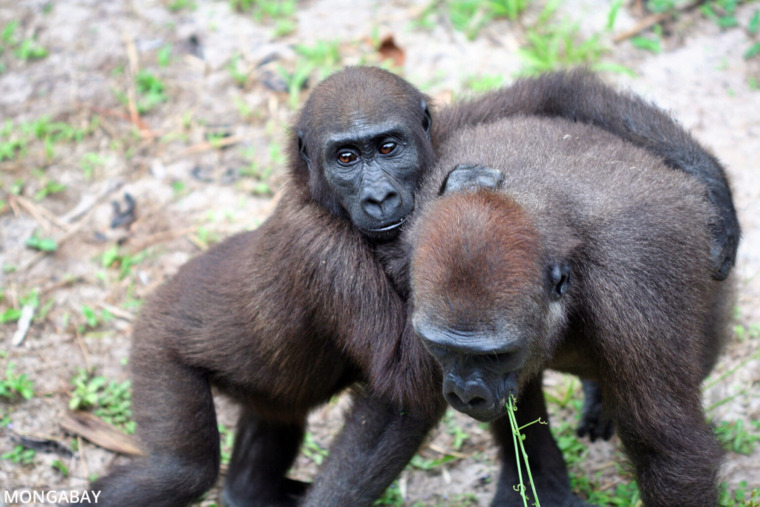

Researchers studied plants used by the Vungu people and gorillas in Gabon and found they have special qualities that can fight diseases and bacteria.
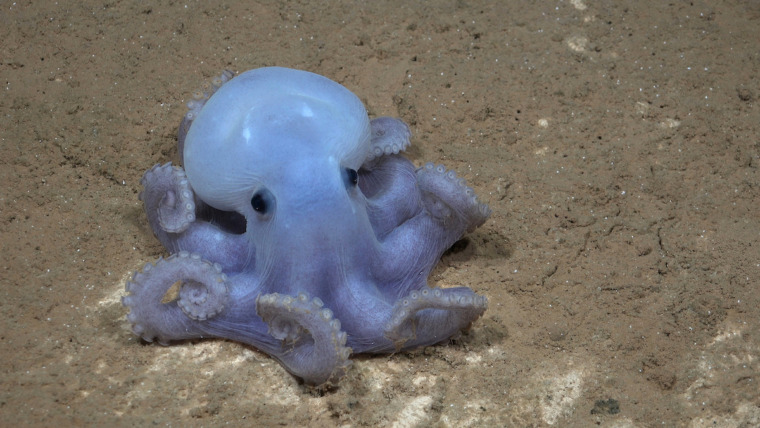
Scientists on an ocean expedition to the Southeast Pacific discovered a new underwater mountain and up to 100 new species, including fantastical and rare creatures.
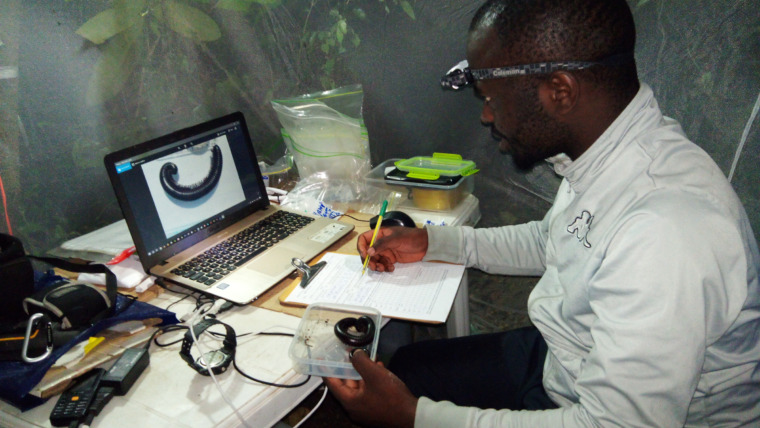
The biodiversity rich Udzungwa Mountains of south-central Tanzania are a good place to find species of animals that have never been described by science before.
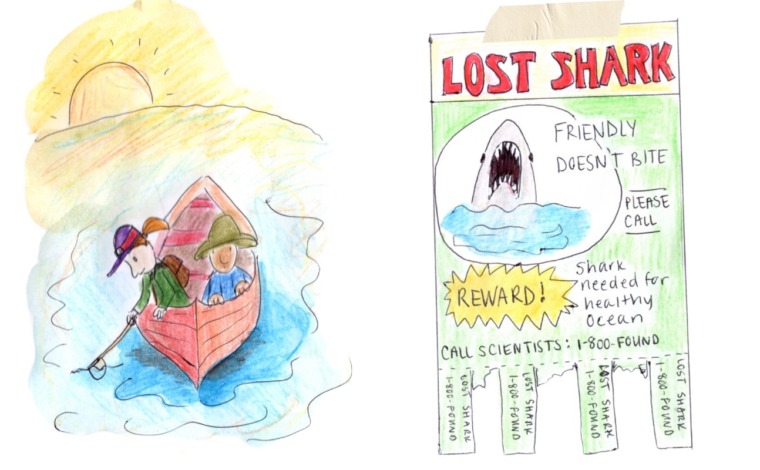
Scientists are hoping to rediscover hundreds of lost sharks, rays, and chimaera that have not been seen in over 10 years.
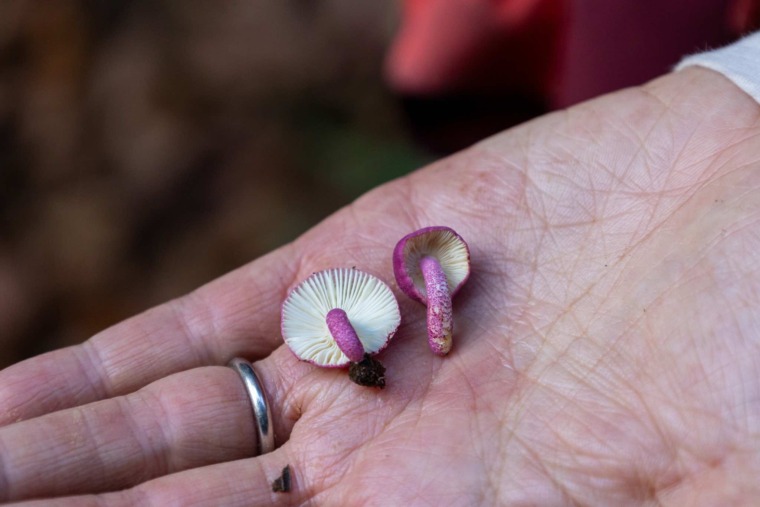
In Colombia, Argentina, and Chile, scientists are collecting fungi living in the soil around plant roots.
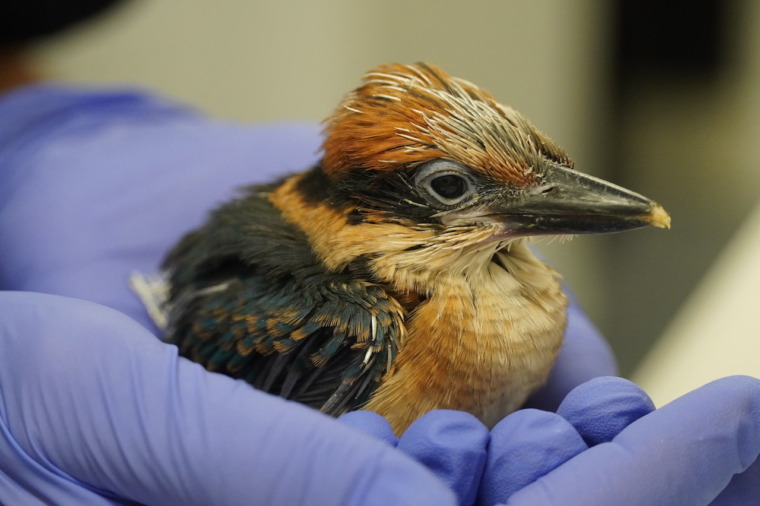
There is good news for a bird called the Guam kingfisher, which was declared extinct in the wild in 1988 due to predation from brown tree snakes.
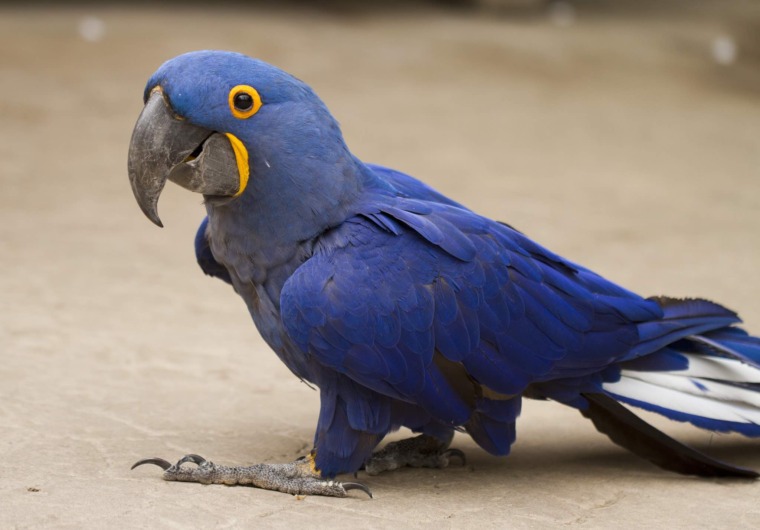
Fires have swept through an important breeding refuge for hyacinth macaws.
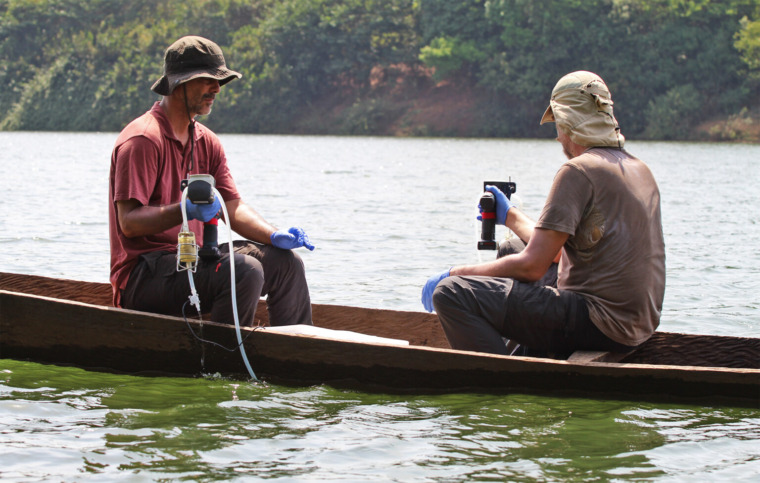
Scientists can use DNA left in the environment to survey biodiversity in ecosystems. It is a useful tool in remote areas, where it is hard to watch or capture species.
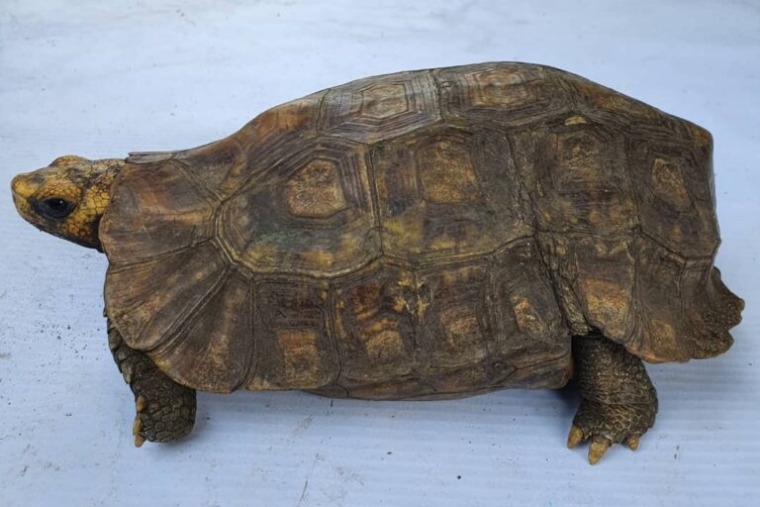
Meet a clever tortoise with a special trick for keeping itself safe from predators!
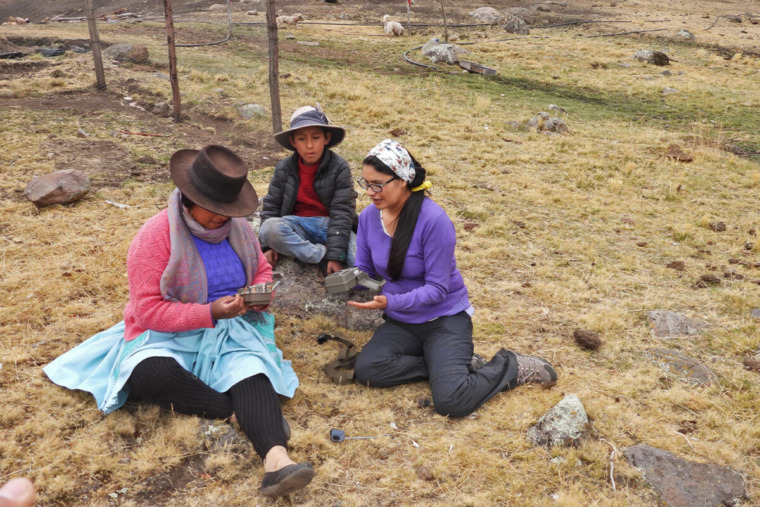
A team of Indigenous Quechua women are using camera traps to do science, building stronger livestock enclosures, and changing attitudes about wildcats.

Good news for an endangered Tasmanian skate. For the first time, a Maugean skate egg has hatched in captivity.
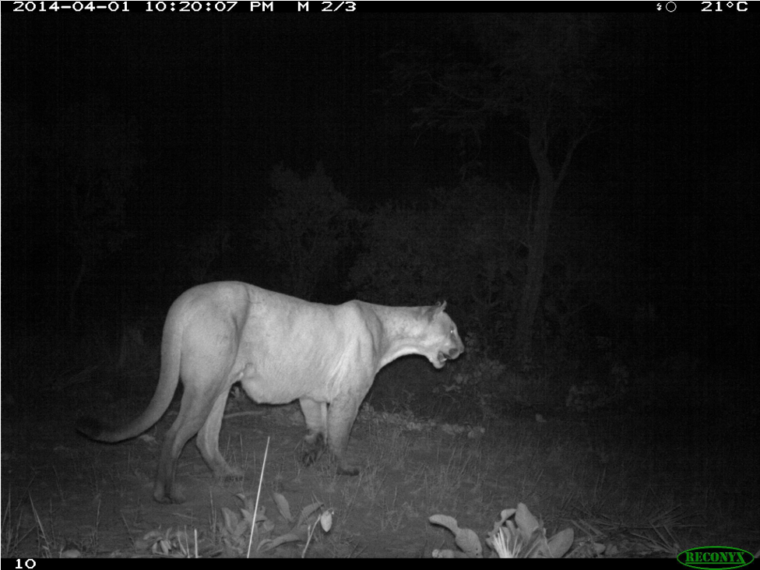
A study in São Paulo, Brazil found that some mammals respond to living near humans by becoming more active at night.