A pitohuis is a type of poisonous songbird. And researchers think they might be at risk from the pet trade.


A pitohuis is a type of poisonous songbird. And researchers think they might be at risk from the pet trade.

A team of conservationists is returning blue-and-yellow macaws to the wild using a new method: free-flight training.

The greater honeyguide has a special relationship with honey-hunters. This is an example of a mutualism.

Humans have cut down large areas of tropical forests around the world. Scientists were curious if these forests could grow back without tree planting or other human help.

A new study reveals that there are actually 3 species of funnel-web spiders in the Sydney and Newcastle area of Australia.

A group of researchers looked at kelp forests around the world and found that less than 2% of the forests are well protected.

The women-led group is planting trees and helping to secure a sustainable future for their community.

Scientists find that rat numbers have increased in cities experiencing warmer temperatures, fewer green spaces, and denser human populations.

What this article is about: Madagascar’s radiated tortoises are critically endangered. Conservationists are partnering with local communities to rewild 20,000 tortoises rescued from poaching and the illegal pet trade back into their unique spiny forest home.
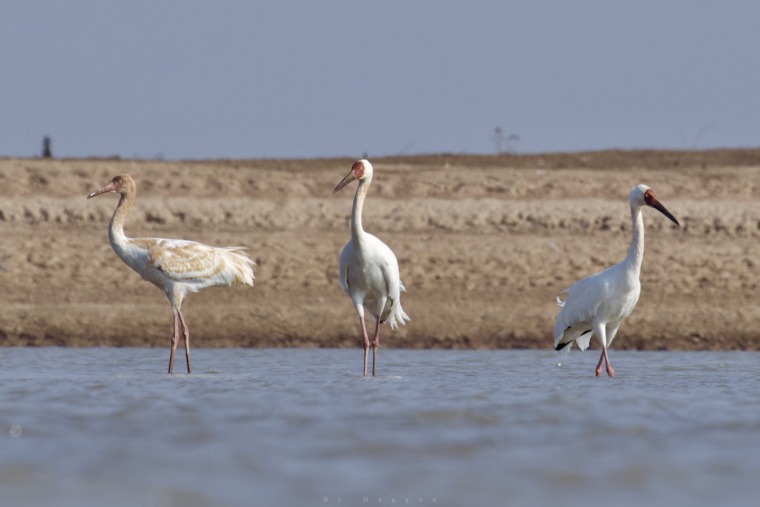
Over the past decade, conservation efforts have helped the number of critically endangered Siberian cranes double in one area.

The Western Ghats are a mountain system in western India. They are a biodiversity hotspot, meaning that they are home to many endemic species found nowhere else on Earth. Researcher Zeeshran Mirza found and described four new species of tarantulas from the Western Ghats. “Most people in India are…

The work of fisher David Borbón and his family has helped mangroves and protected the community from devastating storms.