By Laura Allen
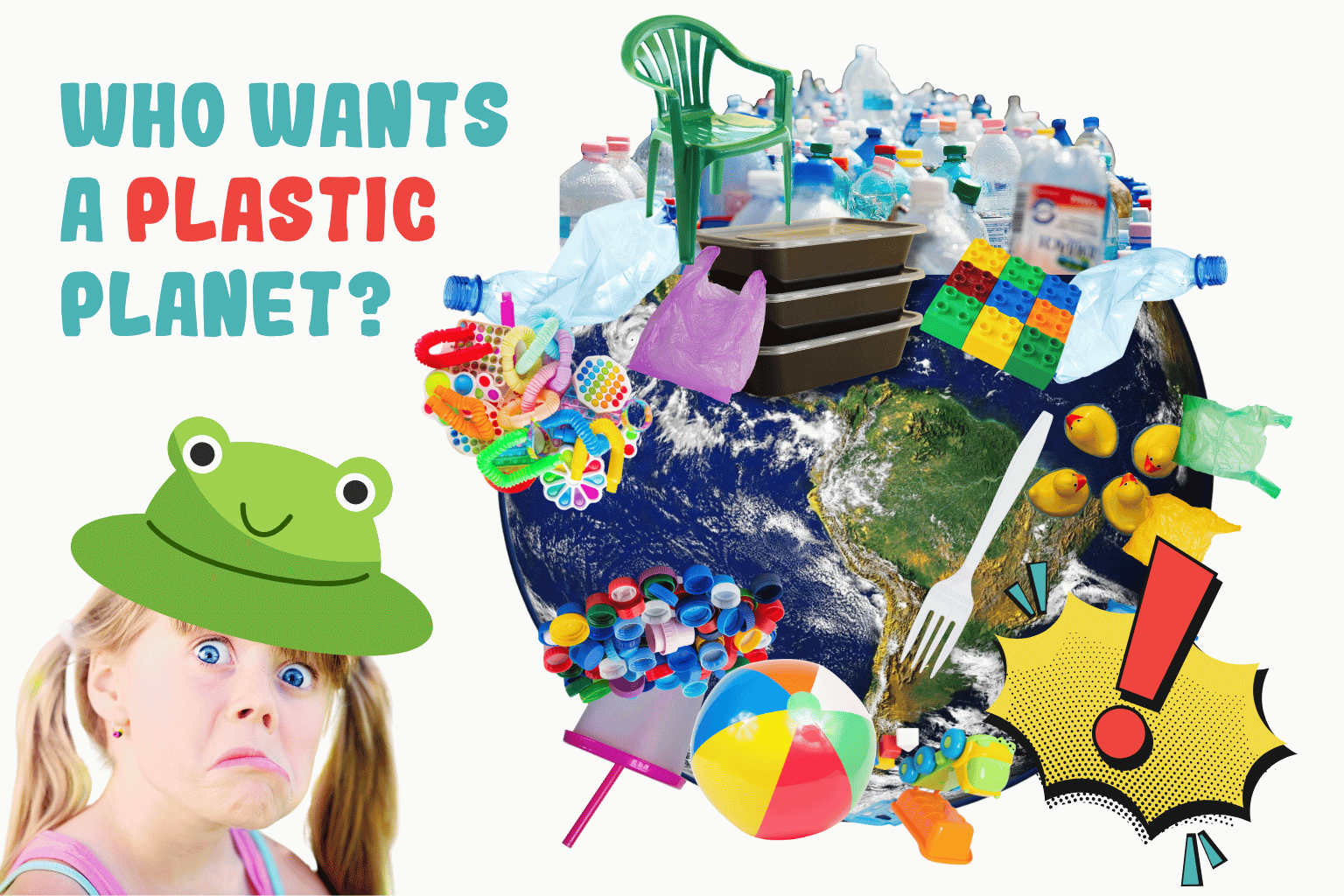
Every year, the world produces about 400 million metric tons of plastic — that is more than the total weight of every person on Earth combined! Plastic is strong, lightweight, and waterproof, which makes it super useful. But that’s also the problem — we use it for almost everything.
The good news? There are lots of ways to cut plastic out of our lives. And when we team up with others, we can help stop the cycle of waste. Also, scientists are working on healthier products and nature-based ways to break down the plastic pollution already out there.
The problem with plastic
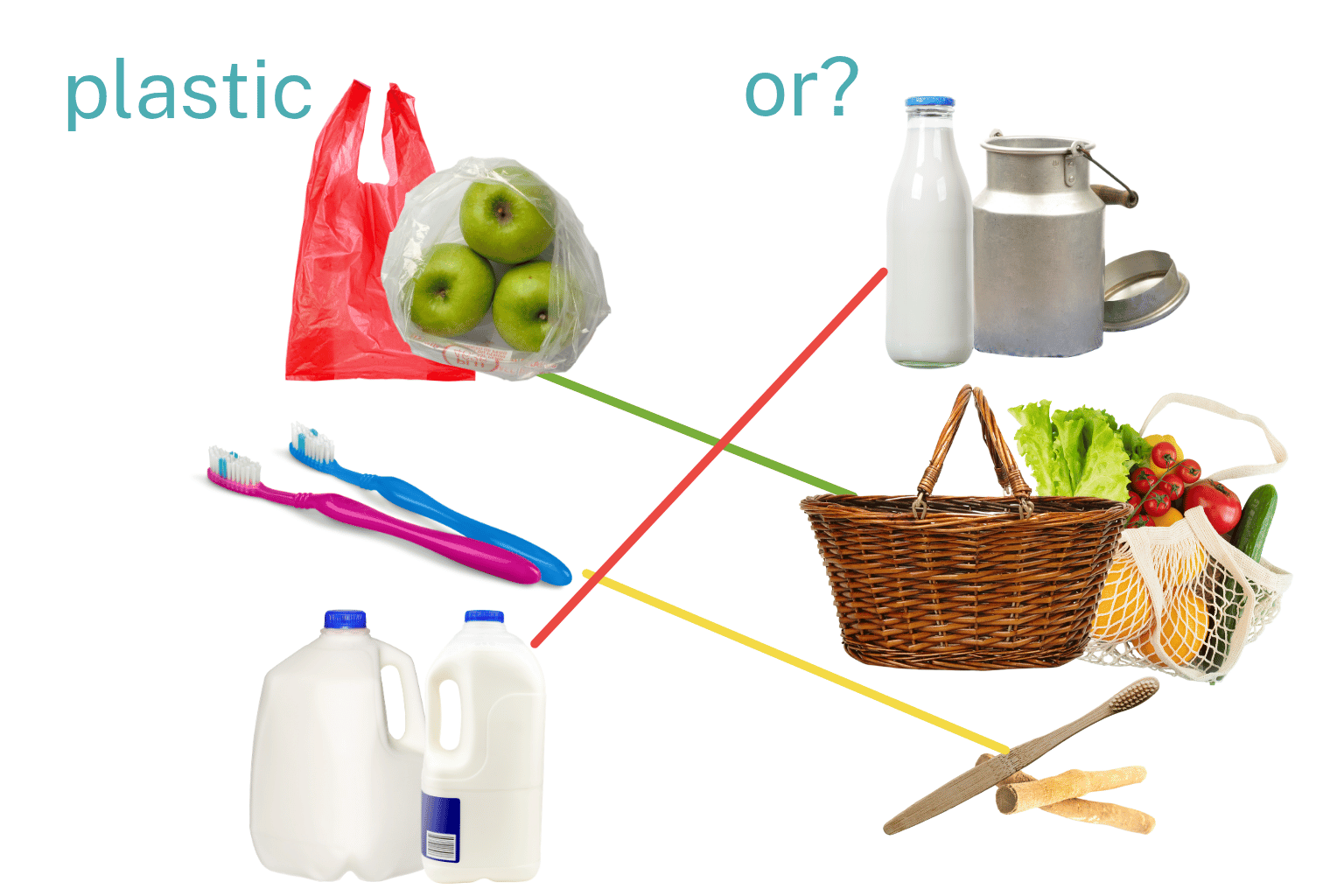
Before the 1950s, plastic was barely used. Instead, people had reusable items made from glass, ceramic, metal, or wood. But since then, we’ve pumped out billions of tons of plastic. A huge part of the problem is single-use plastics — things like drink containers or bags that are used once and then thrown away. In fact, one out of every three plastics made is packaging that ends up in the trash. Most of it goes to landfills, but a lot escapes into nature.
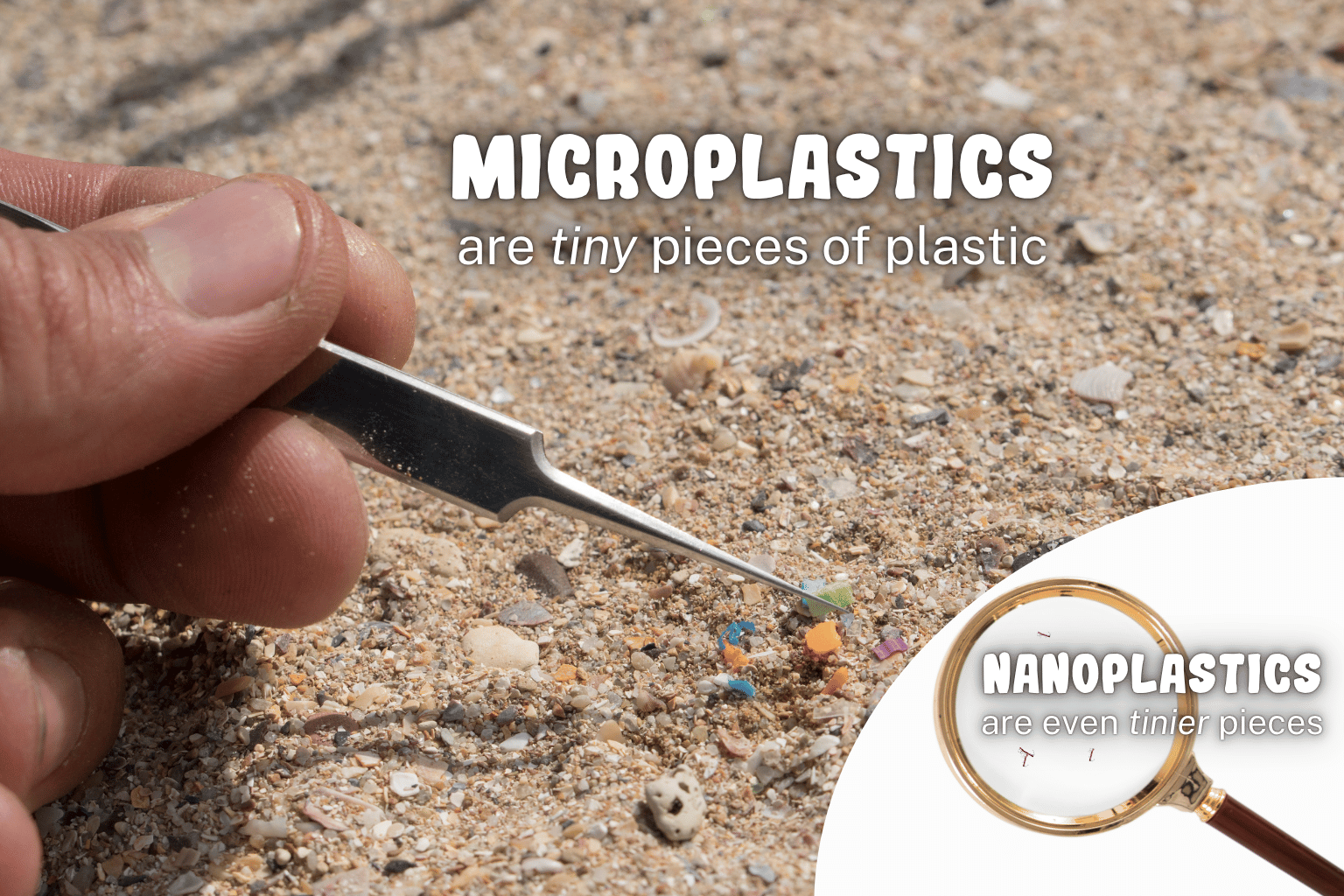
Big plastic waste is ugly, but the real danger might be the tiny pieces. Plastic doesn’t decompose like food scraps; instead, it breaks down into microplastics — and even smaller pieces called nanoplastics, which are as tiny as viruses. These microscopic bits can harm both animals and people. They’ve been found in wildlife, food, bottled water, and … our blood.
Everyday things like doing laundry also add to the plastic problem. Fabrics like polyester and rayon are made from plastic, and tiny fibers from our clothes wash into wastewater. These plastic fibers aren’t removed during treatment and eventually flow into rivers and oceans.
Recycling vs. reality
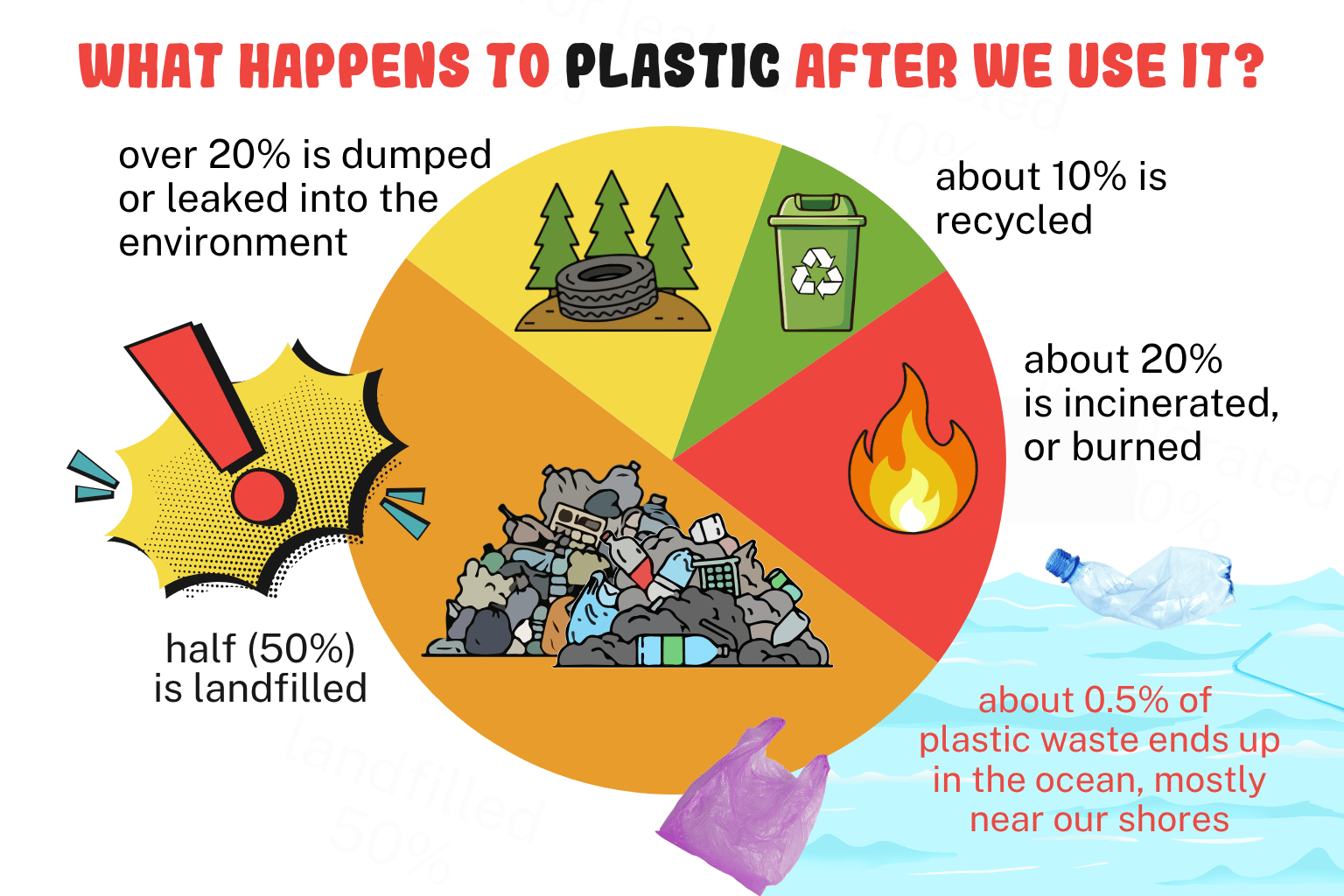
Can’t we just recycle all this plastic? Not really. Only about 12% of plastic gets recycled, and even that doesn’t go back to its original form. For example, a “recycled” plastic bottle might be turned into lawn furniture — but when that breaks, it’s tossed in a landfill.
Worse, many plastics tossed into recycling bins are shipped overseas and either buried in landfills or burned.
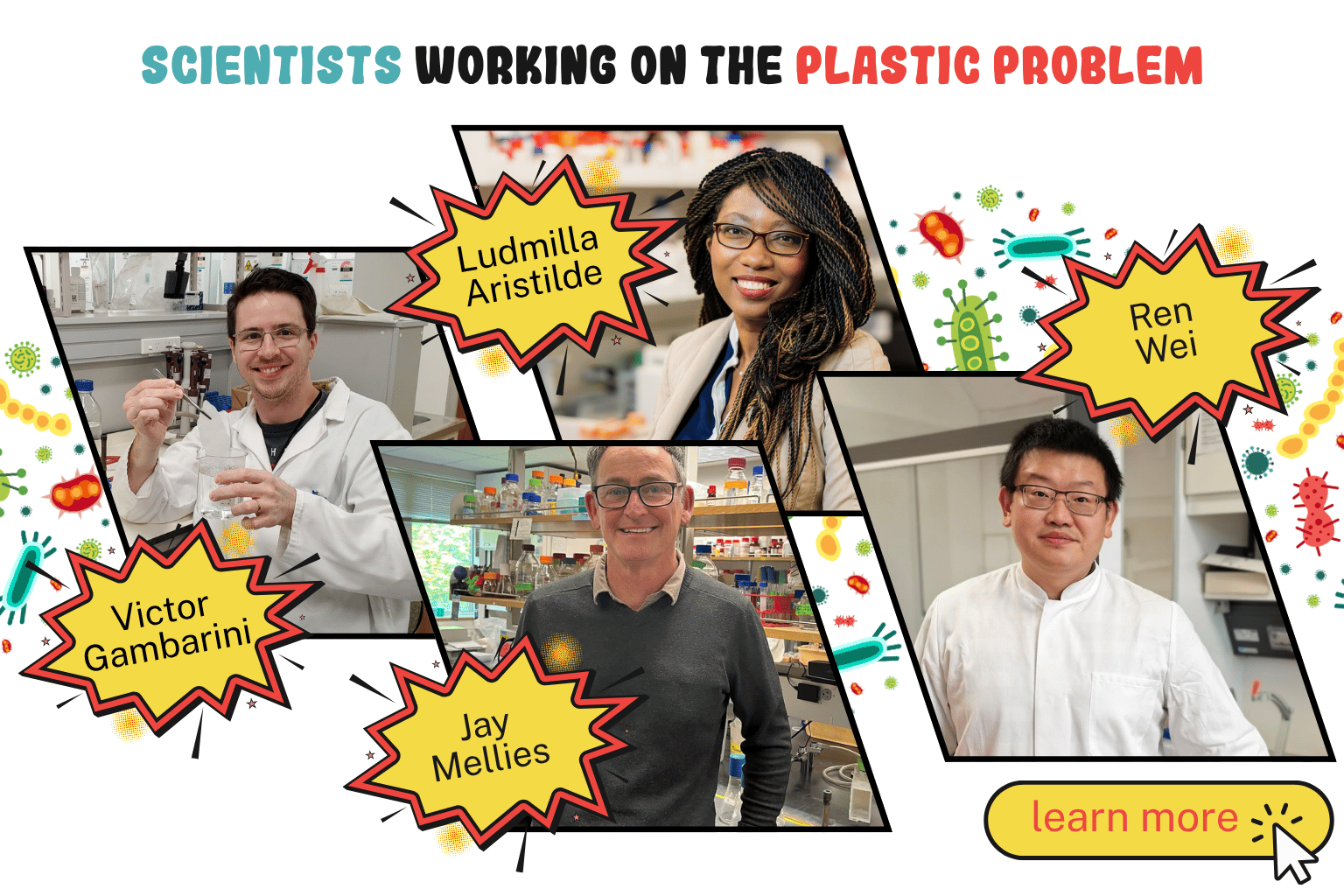
This may be different in the future, thanks to tiny microbes. Some bacteria produce enzymes that can break apart plastic. Recently, a French company used these enzymes to turn old textile waste into a new, 100% recycled polyester sports T-shirt. It’s a glimpse into a future where plastic waste could truly be recycled in an Earth-friendly way.
Bioplastics, mushrooms, or none of the above?
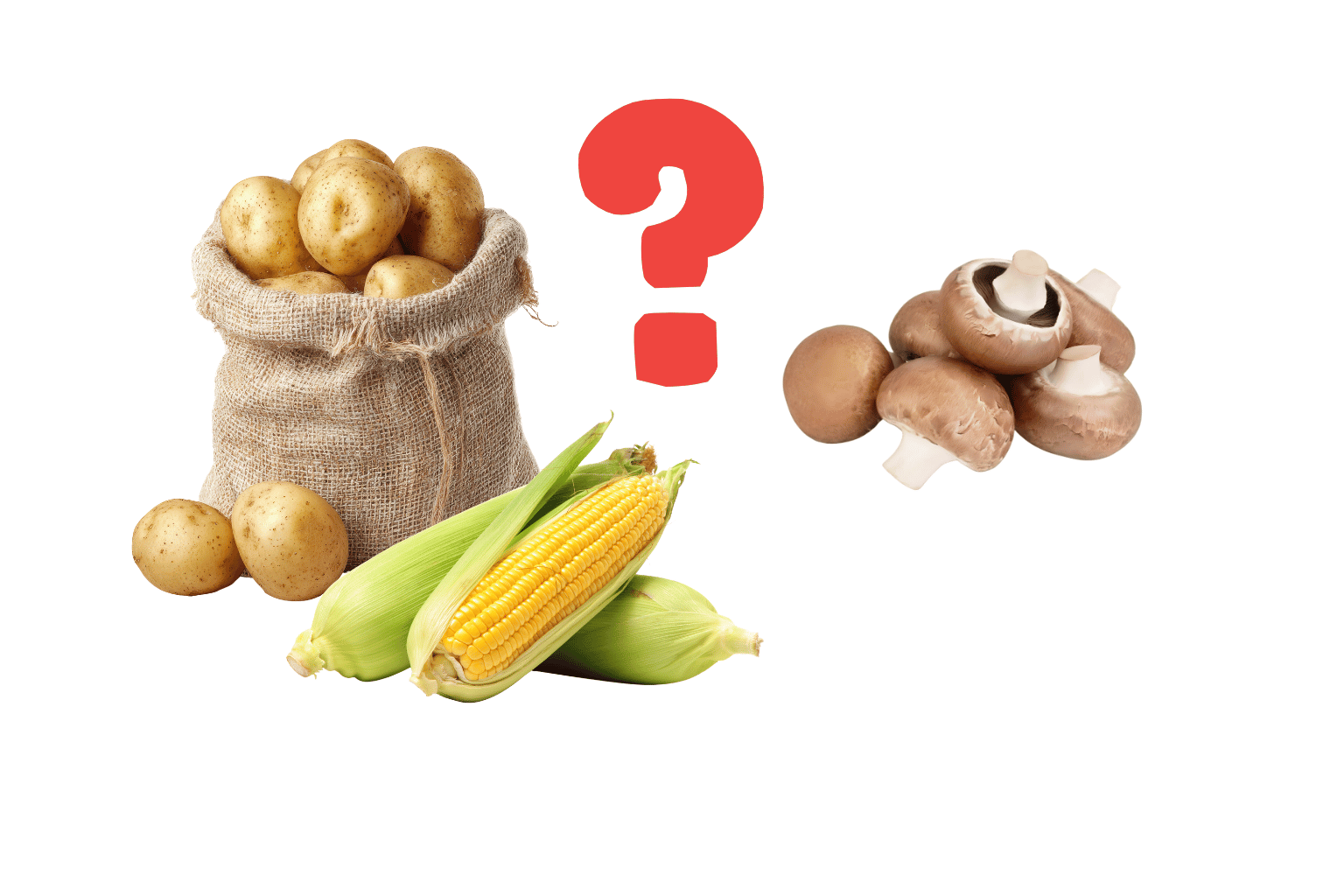
Plastics are made from oil, which is a fossil fuel. But there are cleaner alternatives. Bioplastics, made from plants like corn or potatoes, look like regular plastics yet are supposed to break down naturally. But recent research shows they may not decompose as easily as we thought, and they might still release microplastics that are harmful to health.
That’s why some companies are exploring mushrooms as a plastic substitute. For example, Mushroom Packaging grows packaging from mycelium, the root system of mushrooms. It’s strong, non-toxic, water-resistant, and can be composted at home, turning back into soil in less than two months.
What can we do?
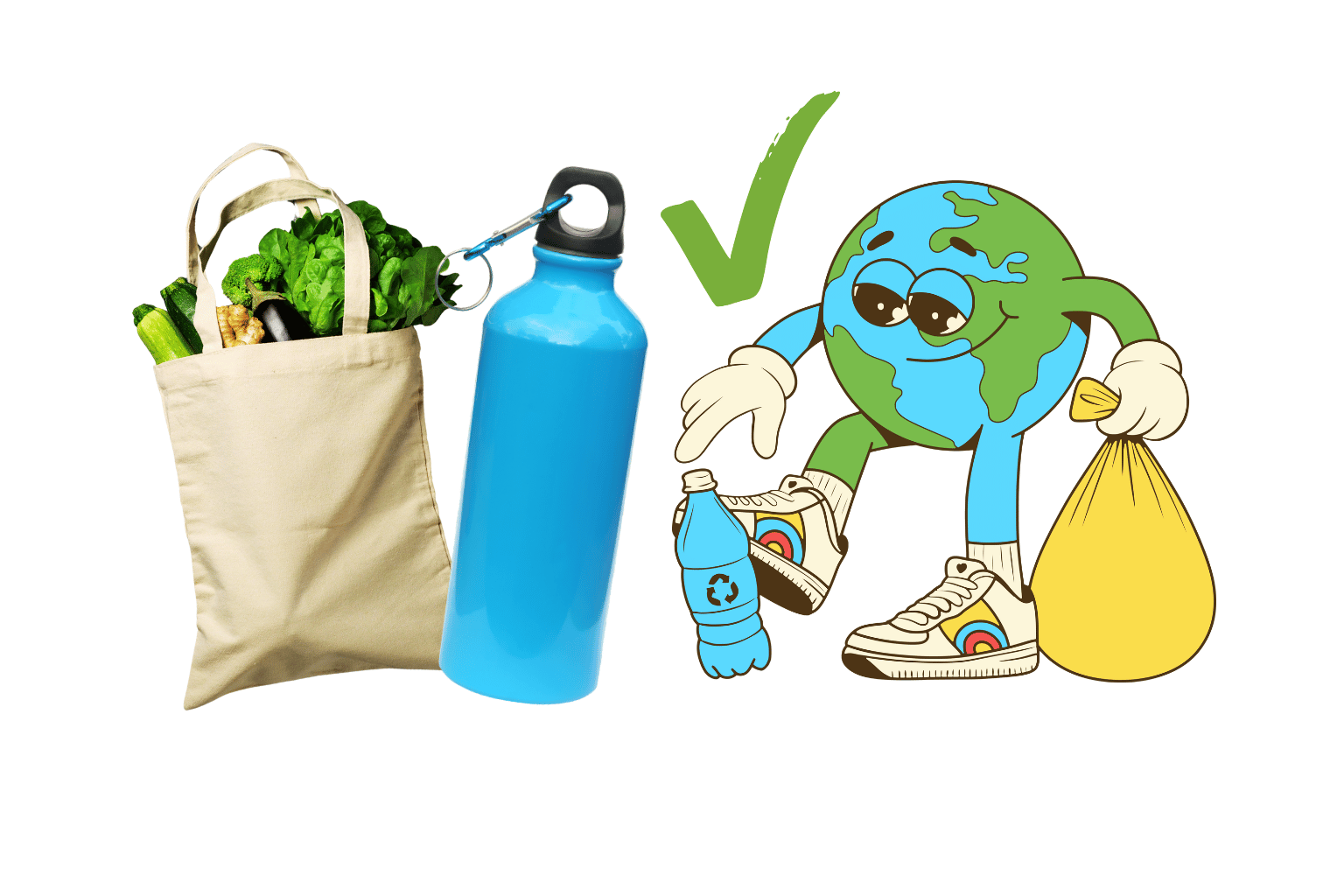
The best option, for now, is to avoid plastic whenever we can. And it doesn’t have to be hard. We can use reusable cups, bring our own shopping bags, and pick fruits and veggies that aren’t wrapped in plastic.
Kids, families, and governments around the world are taking action. In 2002, Bangladesh became the first country to ban plastic bags. While enforcement is tricky, it helped reduce litter. By 2021, more than 500 U.S. cities and towns across 28 states had passed similar bans — and the number is growing.
Will your town be next?
Try this at home!
Be a trash can detective: What kind of plastic ends up in your trash? To find out, grab some gloves and permission from an adult, then sort through your bin. Did you find single-use plastics? Which plastics could you ditch next time?
Community cleanup: With some gloves, a trash bag, and a trash picker-upper, you can clean up plastic trash from your community. Try the beach, the banks of a creek or river, or along the street. Much of the ocean plastic pollution started out as trash on land, which was washed into a waterway and flowed out to sea.
Ban single-use plastics: Join with others to ban plastic at the source. It takes lots of people to stand up to the fossil fuel companies who profit from plastics. One way to get involved is through networks like Break Free From Plastic, the Sustainable Ocean Alliance, or Beyond Plastics.
Refuse plastics: Before you buy something made with plastic, ask yourself if there’s a different option. Want a drink? Buy one in a glass or metal container. Whether it’s a new toy or a toothbrush, you may find something plastic-free if you try.
Citations:
Li, J., Pan, X., Qin, Y., Zhang, X., Yang, P., Tan, H., Chen, H., & Deng, Y.-F. (2025). Long-term exposure to environmentally realistic doses of starch-based microplastics suggests widespread health effects. Journal of Agricultural and Food Chemistry, 73(16), 9867–9878. https://doi.org/10.1021/acs.jafc.4c10855
Walpole, S. C., Prieto-Merino, D., Edwards, P., Cleland, J., Stevens, G., & Roberts, I. (2012). The weight of nations: An estimation of adult human biomass. BMC Public Health, 12, 439. https://doi.org/10.1186/1471-2458-12-439
Graphics created with Canva for Mongabay Kids.