How much plastic?
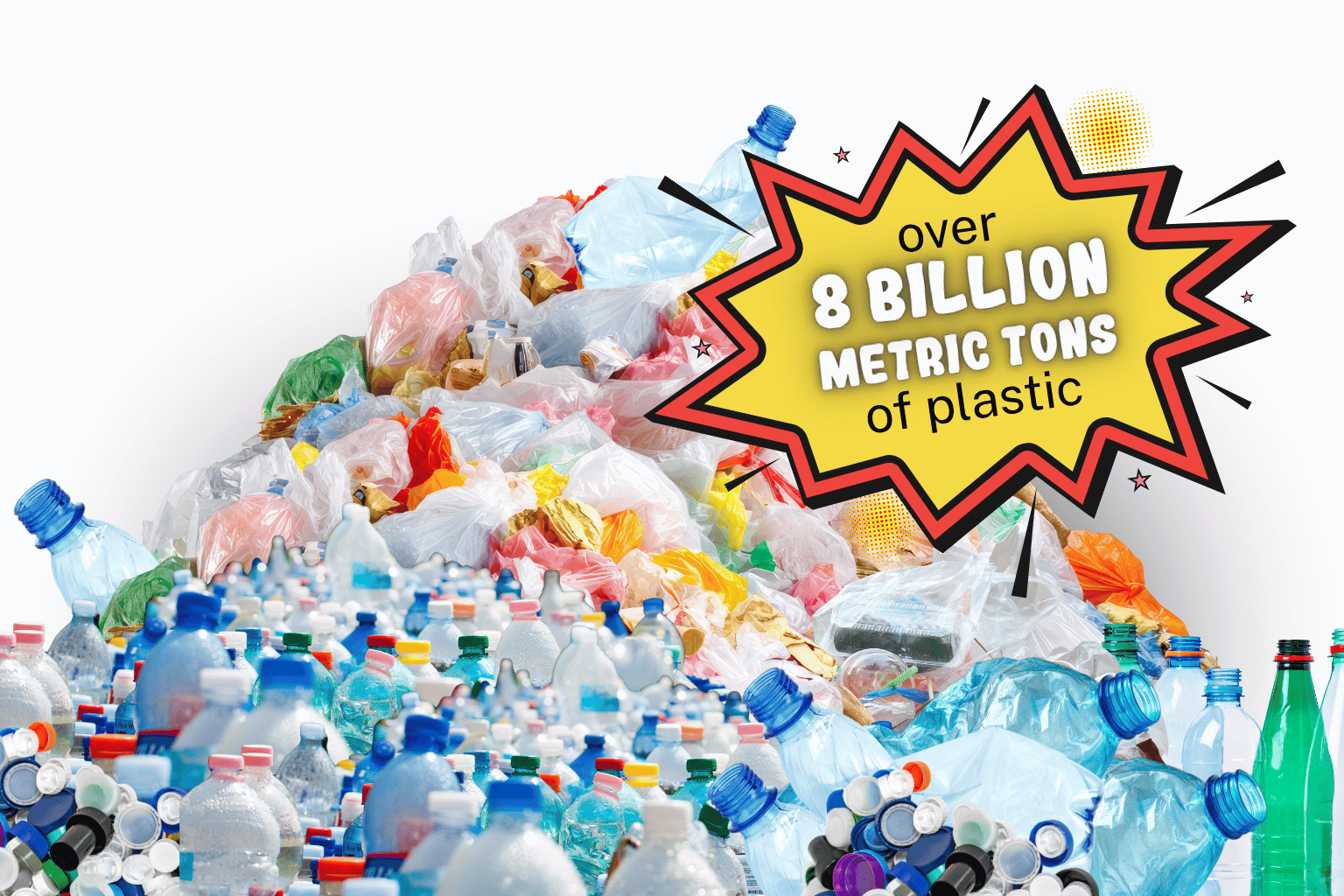
People have pumped out over 8.3 billion metric tons (18.3 trillion pounds) of plastic so far.
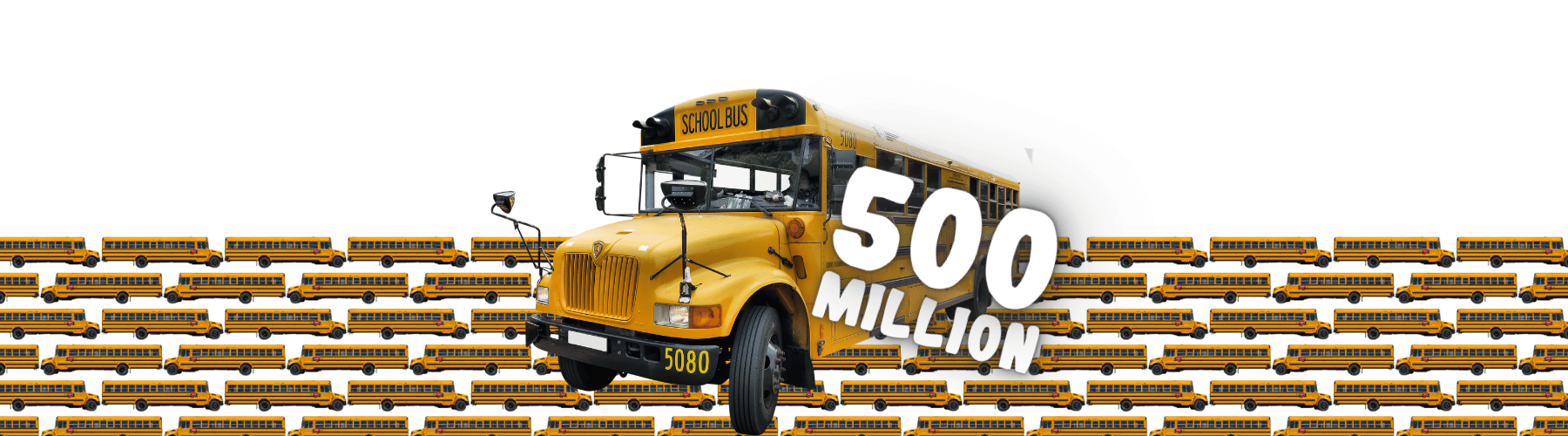
That weighs more than 500 million big school buses!
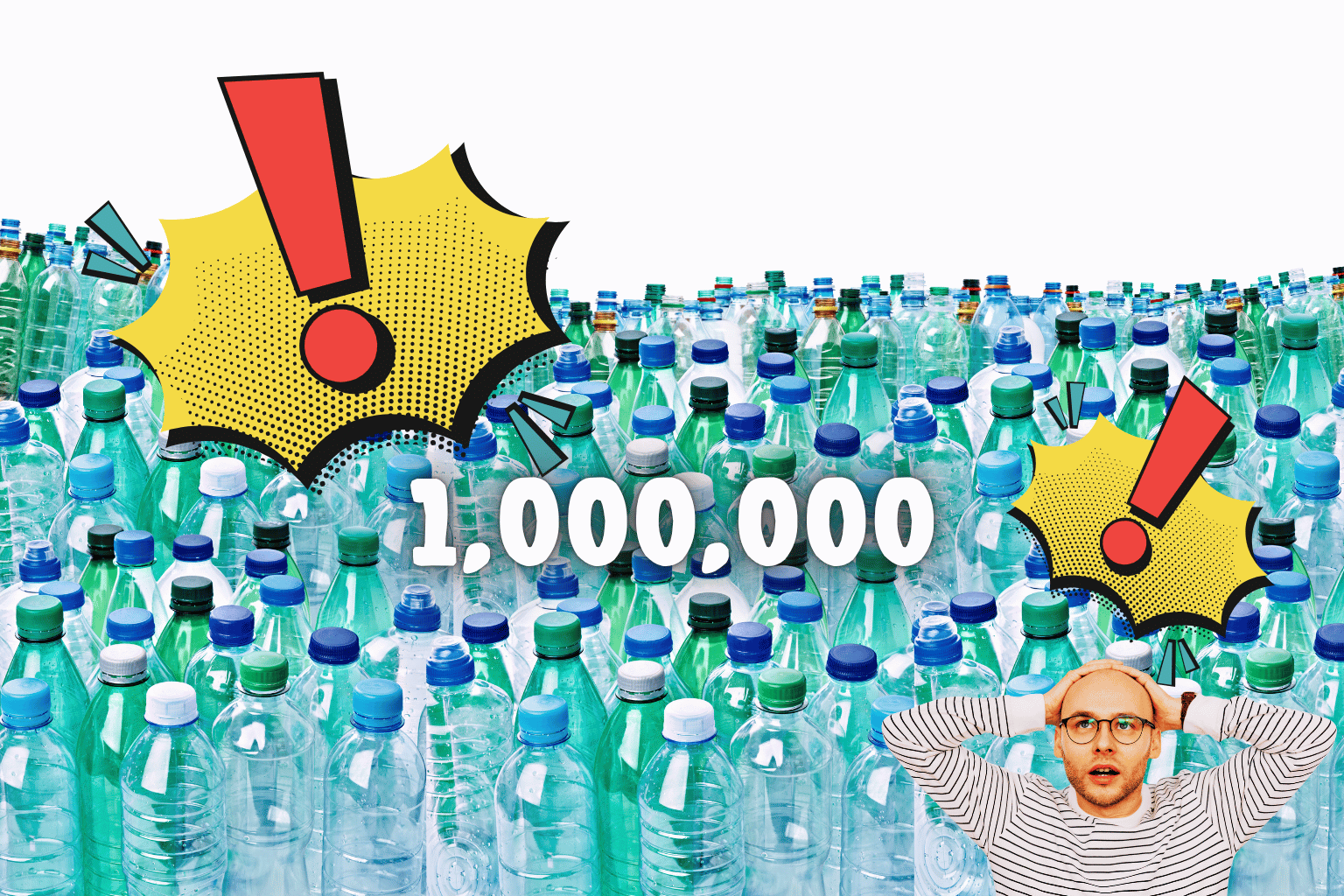
Every minute, the world buys one million plastic water bottles.
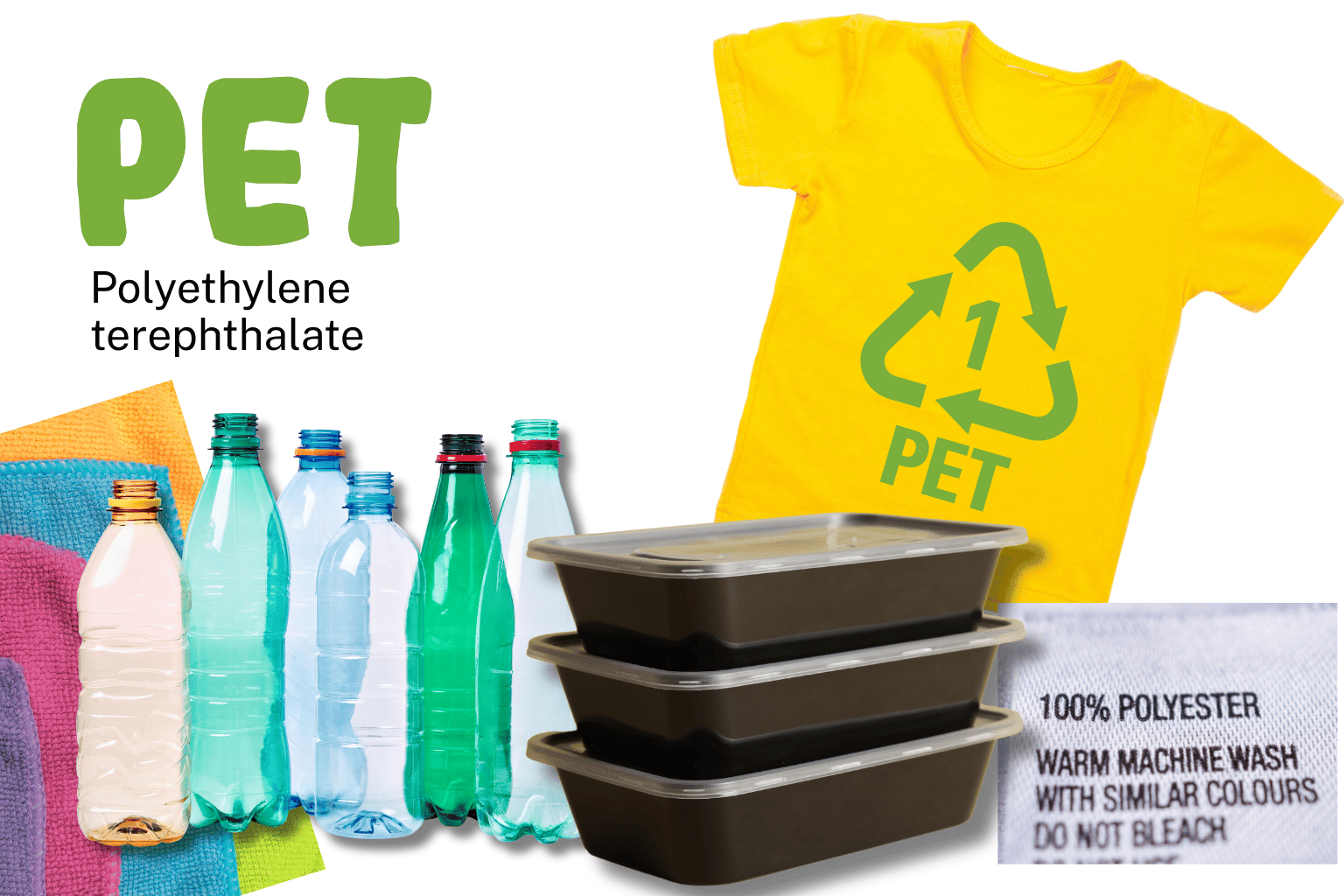
The most widely made plastic is called PET. Each year, over 50 million metric tons of it are made, mostly for packaging, drink bottles, and polyester clothes.
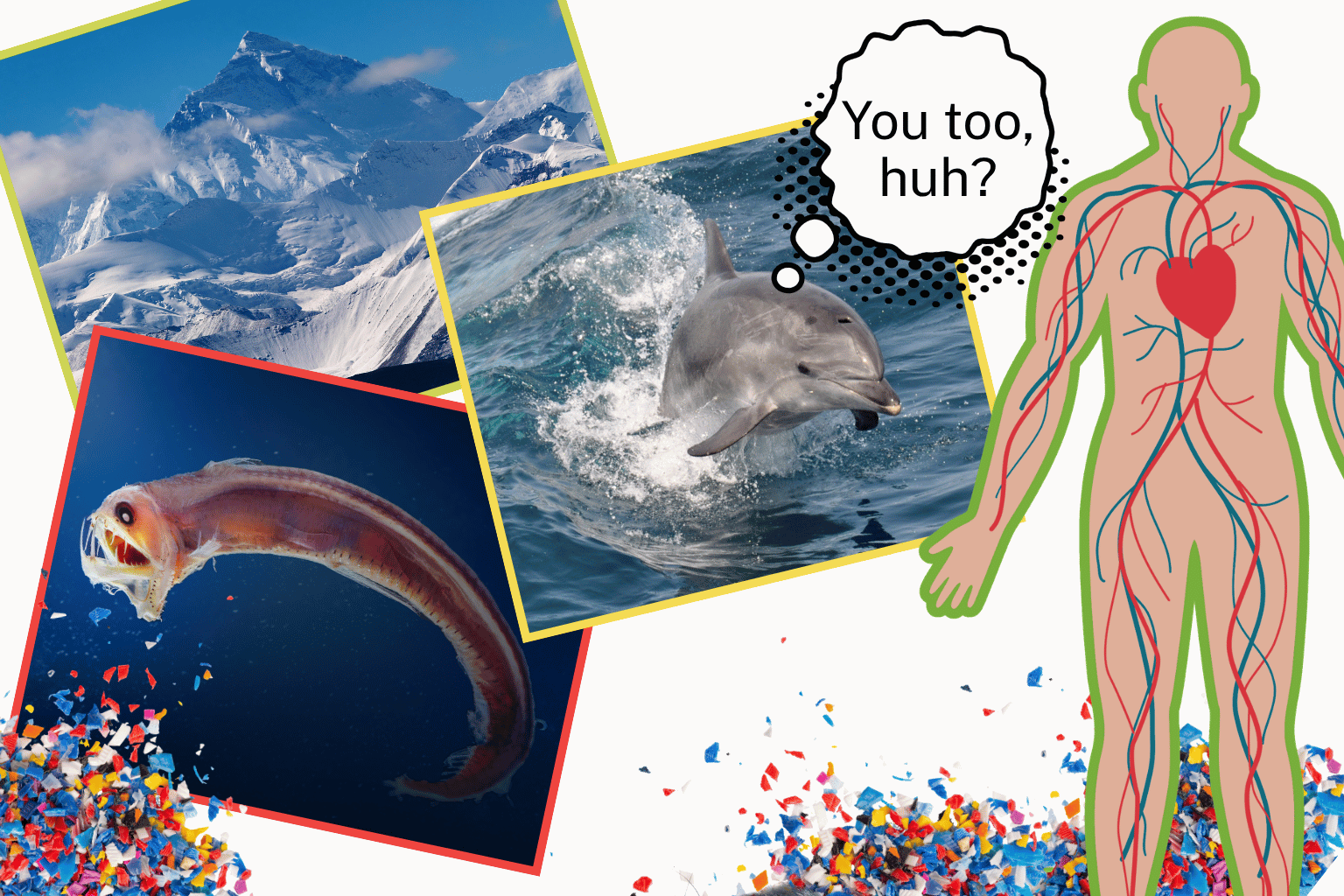
Tiny pieces of plastic litter every part of our world, from the top of Mount Everest to the bottom of the sea, from the breath of a dolphin to our own bloodstream.
Did you know?
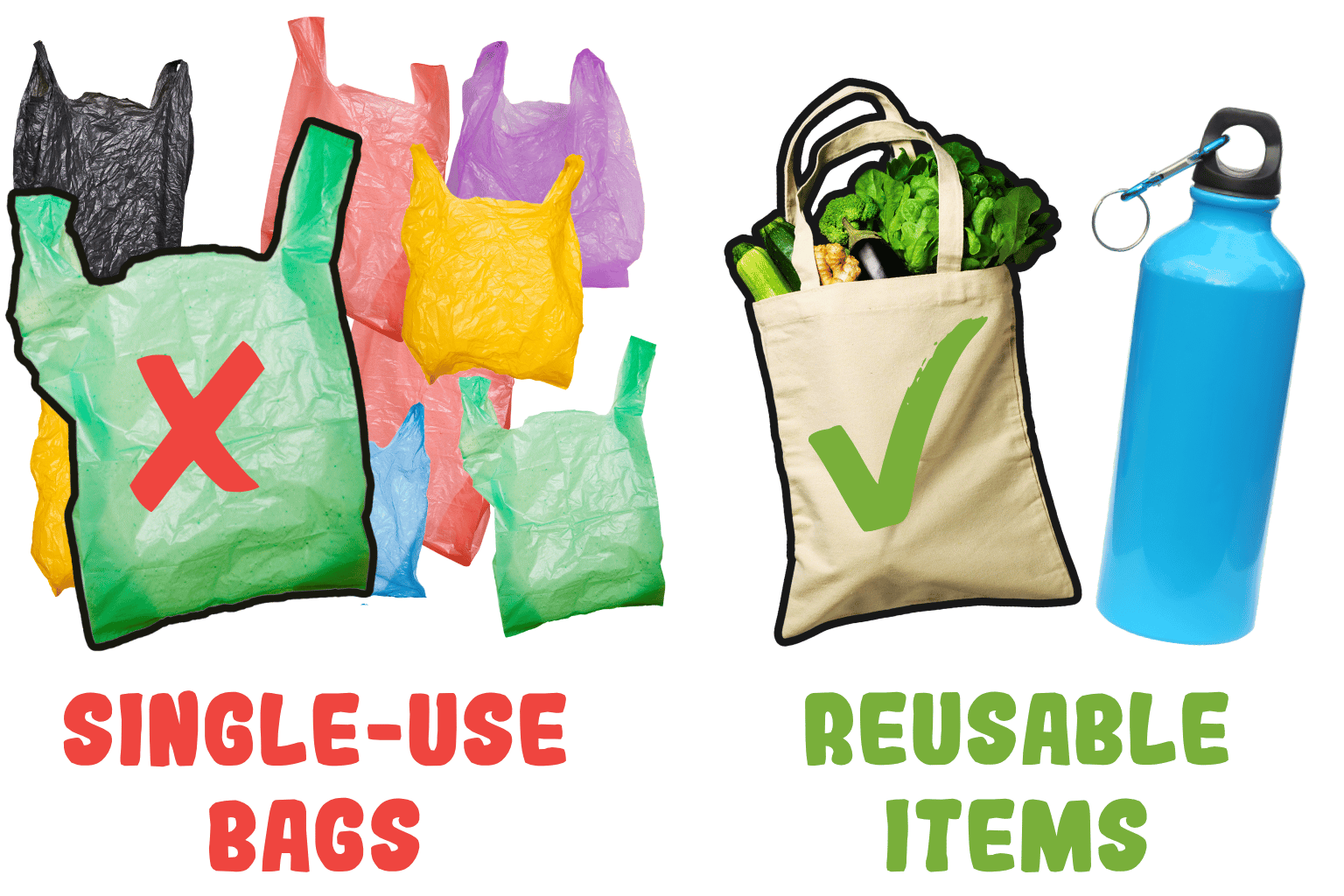
Bangladesh was the first country to ban plastic bags, in 2002.
As of 2021, more than 500 cities and towns across 28 US states have a ban on single-use plastic bags.
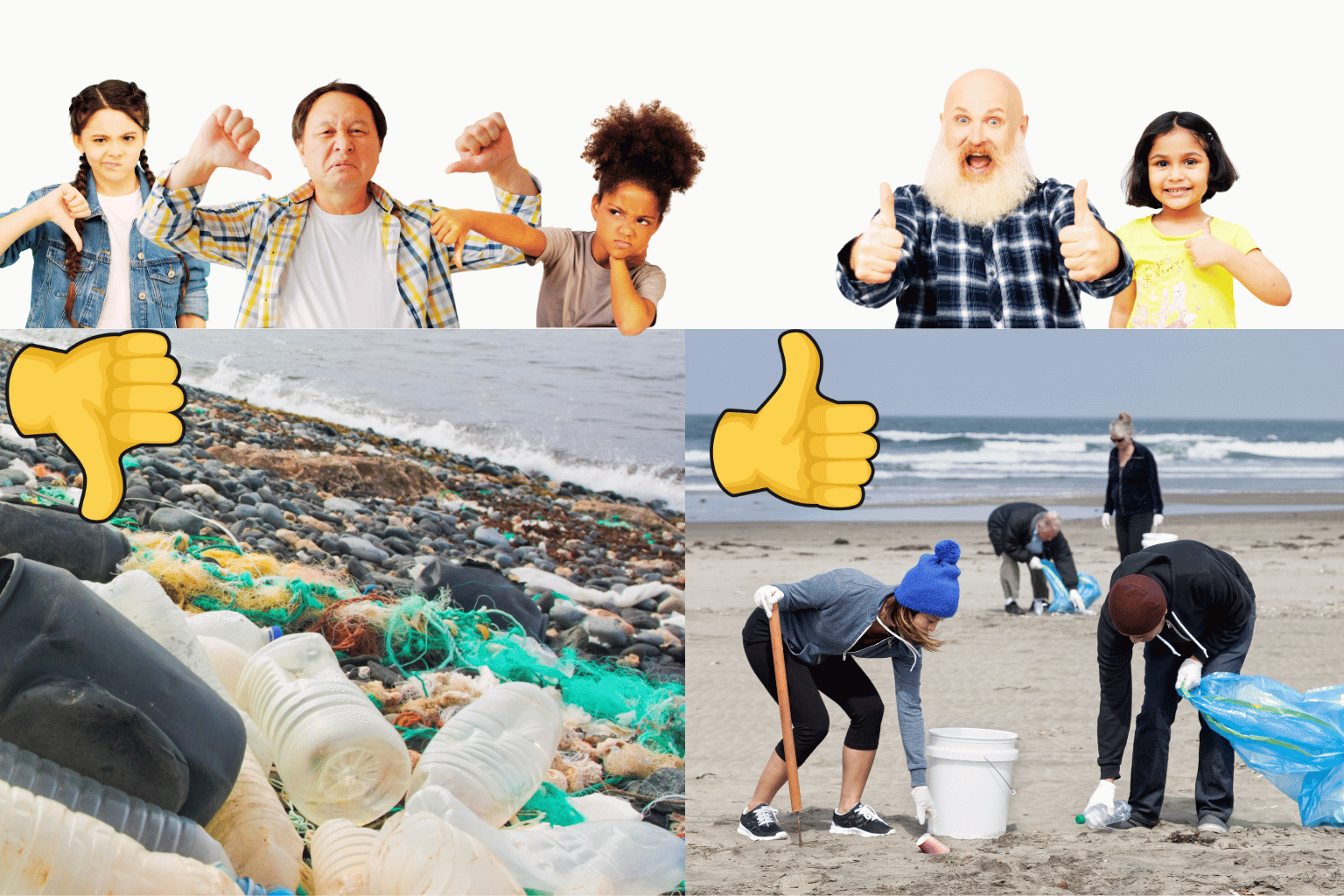
Most people in the world want to stop plastic pollution. Nearly 90% of people polled in 32 countries support rules to cut down on plastics.
Fate of plastics
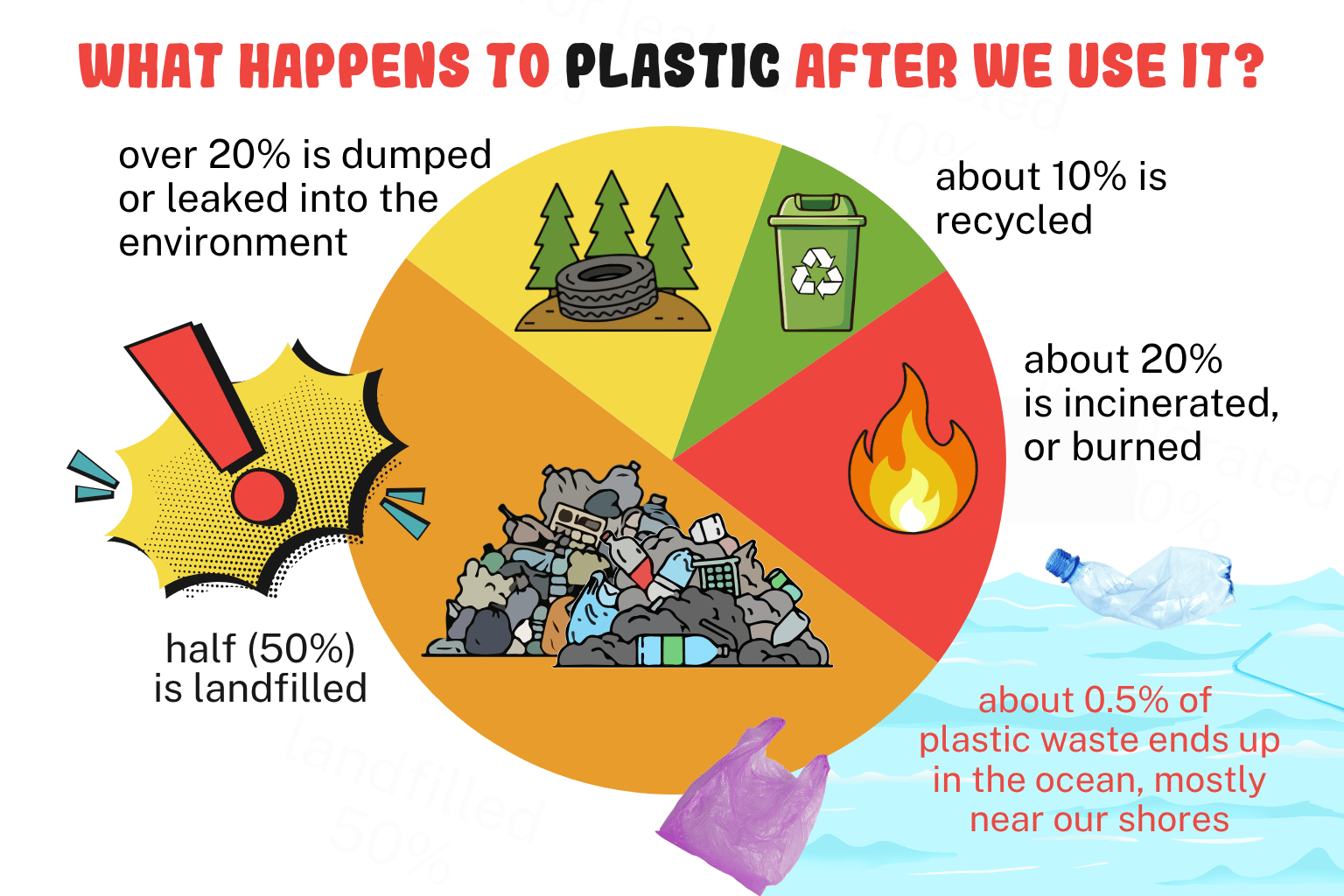
Most of our mountains of plastic hang out in landfills or trash the planet. Some ends up in the ocean. Just about one-tenth of plastic waste gets recycled. But this plastic is actually “down-cycled.” This means plastic gets turned into something else, like a park bench. Eventually, it will end up in the landfill.
Written by Laura Allen
Graphics created with Canva for Mongabay Kids.
Citations:
Geyer, R., Jambeck, J. R., & Law, K. L. (2017). Production, use, and fate of all plastics ever made. Science Advances, 3(7), e1700782. https://doi.org/10.1126/sciadv.1700782
Soong, Y.-H. V., Sobkowicz, M. J., & Xie, D. (2022). Recent advances in biological recycling of polyethylene terephthalate (PET) plastic wastes. Bioengineering, 9(3), 98. https://doi.org/10.3390/bioengineering9030098
Tournier, V., Topham, C. M., Gilles, A., David, B., Folgoas, C., Moya-Leclair, E., Kamionka, E., Desrousseaux, M.-L., Texier, H., Gavalda, S., Cot, M., Guémard, E., Dalibey, M., Nomme, J., Cioci, G., Barbe, S., Chateau, M., André, I., Duquesne, S., & Marty, A. (2020). An engineered PET depolymerase to break down and recycle plastic bottles. Nature, 580(7802), 216–219. https://doi.org/10.1038/s41586-020-2149-4