By Laura Allen
Scientists have found hundreds of types of microbes able to chow down on plastic. So far, these teeny, tiny microbes can’t make a dent in the mountains of trash we produce. Not yet, anyway.
That’s why scientists all over the world are studying how these microbes, and the enzymes they use for digestion, can break the strong bonds in plastics. And, importantly, how to speed up that process.
Let’s meet a few of these scientists:
Ludmilla Aristilde: Environmental biochemist
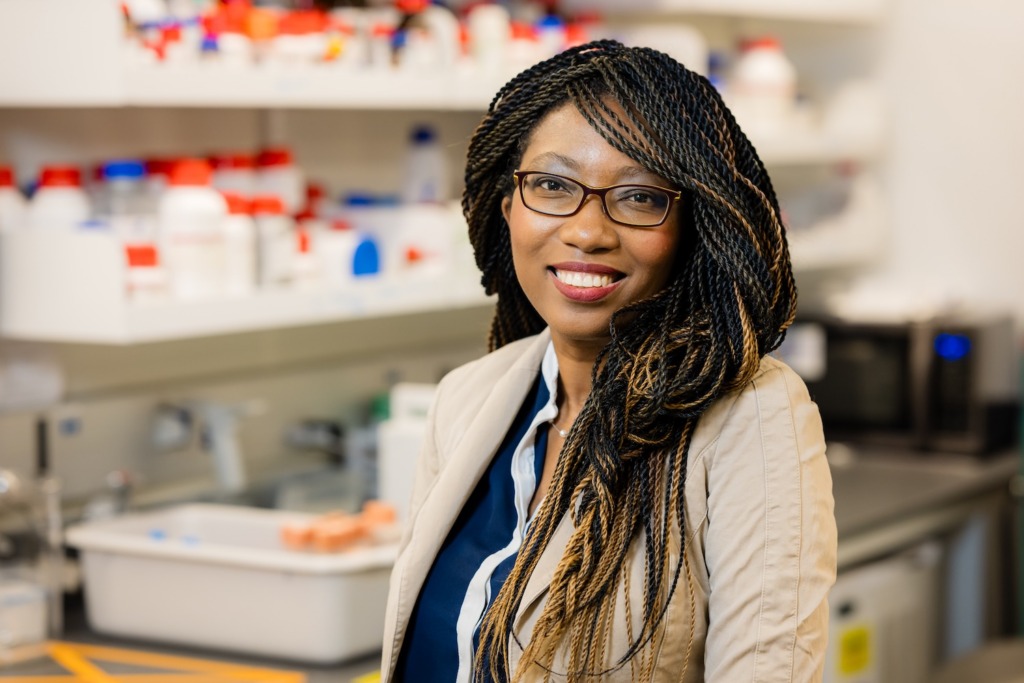
“The capability of nature is amazing and can help us discover new solutions,” says Ludmilla Aristilde. But that doesn’t mean “we can just mess up our planet and nature will come to save us, because the natural processes are very slow.” But we can tap into them.
Her team at Northwestern University discovered a microbe commonly found in wastewater that can also break down bonds in PET plastics and eat it. PET plastic is what water bottles are made of, and it makes up around half of all microplastics in wastewater.
Jay Mellies: Microbiologist
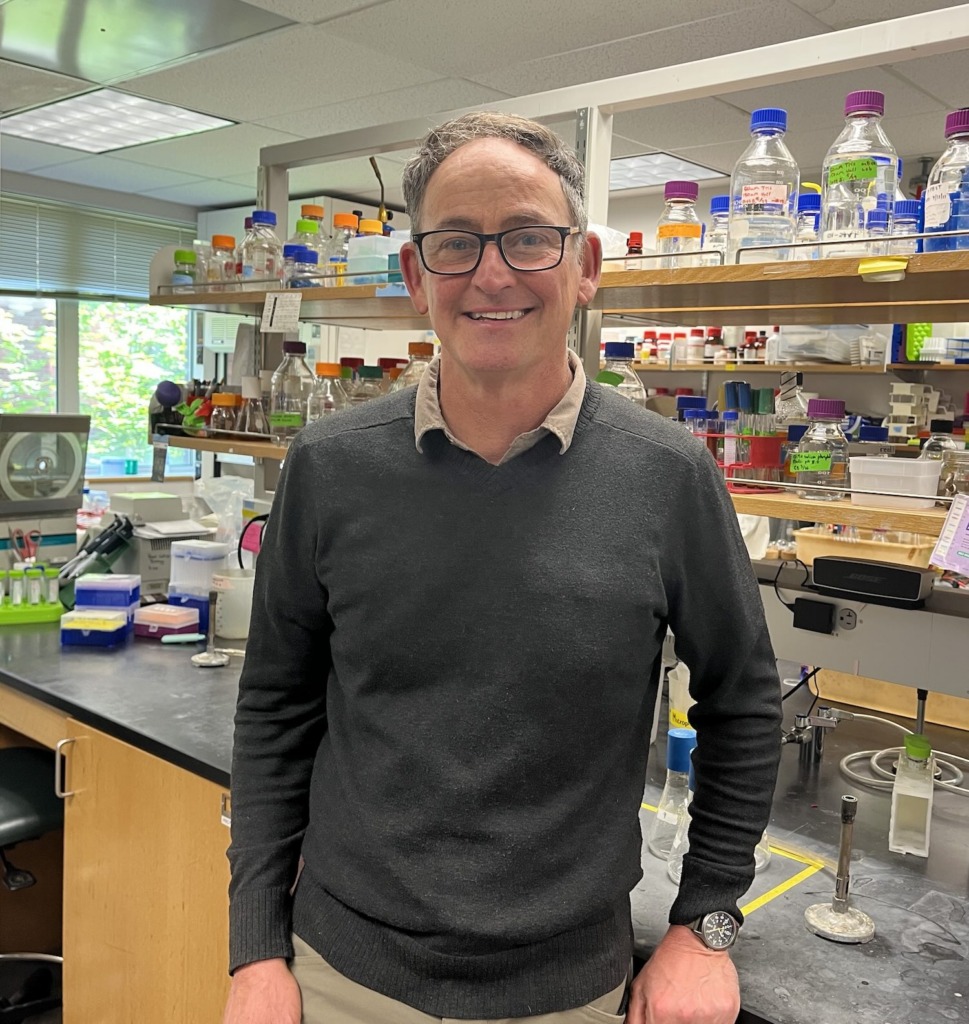
“The plastics problem on our planet is enormous,” says Jay Mellies. At Reed College he studies another type of microbe that degrades plastic. He discovered it in soils contaminated with oil, which is what plastic is made from. Jay is looking for more environmentally friendly ways to recycle plastic water bottles using microbes.
Ren Wei: Biochemist
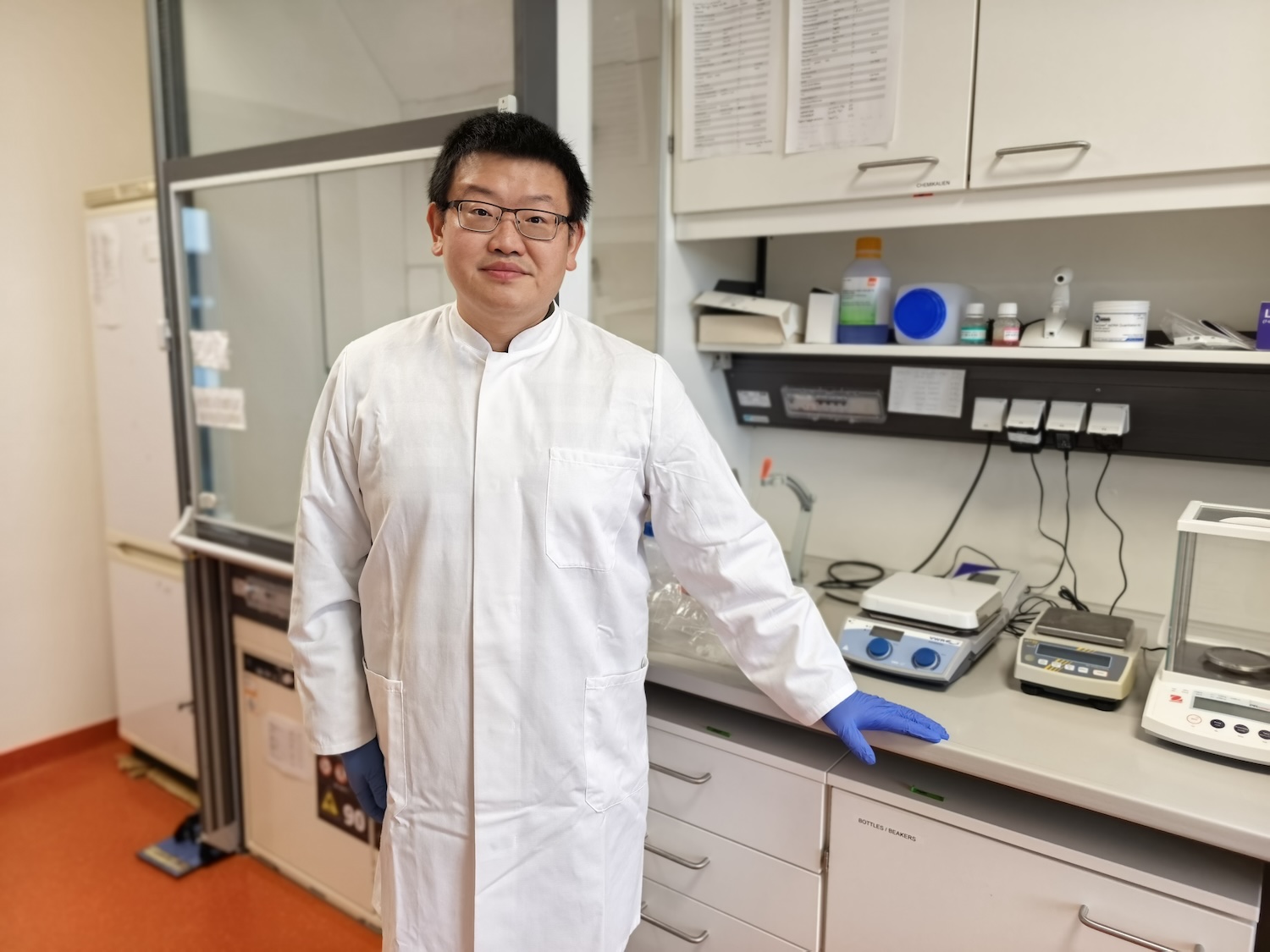
There is no one answer to the plastic problem, says Ren Wei. He researches how to break down plastics using enzymes at the University of Greifswald in Germany. Preventing plastic pollution is the best thing we can do, says Ren. Recycling plastics with microbes is not the main solution here. We need to make less, reuse more, and make laws to slash waste.
Victor Gambarini: Microbiologist
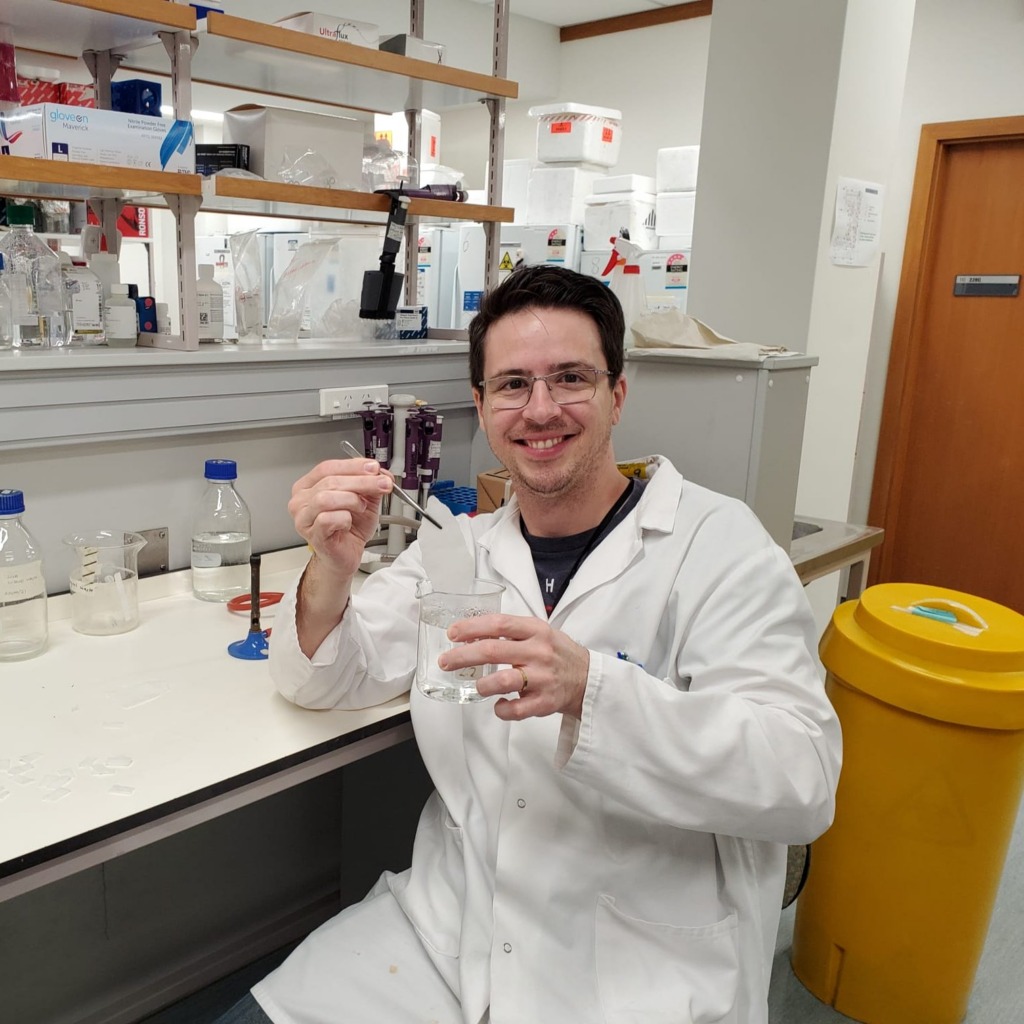
Plastics are really different chemically, so they need many different types of enzymes or bacteria to degrade them, explains Victor Gambarini. He created a family tree of all the microbes known to break down plastic. This could help other scientists in their hunt for new and better microbes to help with plastic pollution. To date, the database has 824 species of microbes and 228 proteins that have some amount of plastic-degrading ability.
Citations:
Ormaniec, P. (2024). Occurrence and analysis of microplastics in municipal wastewater, Poland. Environmental Science and Pollution Research, 31(37), 49646–49655. https://doi.org/10.1007/s11356-024-34488-z
Graphics created with Canva for Mongabay Kids.