In 2023, a mother sperm whale, called Rounder by scientists, gave birth to a baby. The amazing birth was caught on camera.
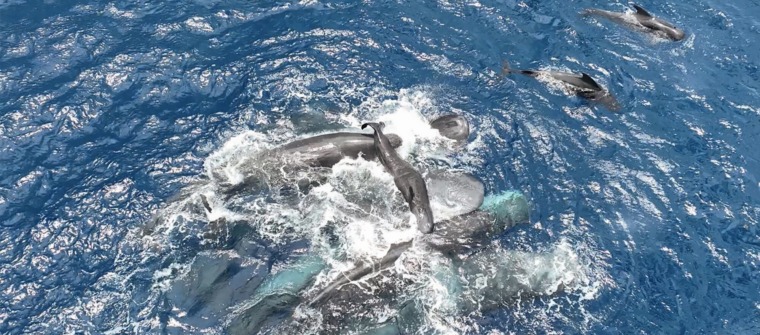

In 2023, a mother sperm whale, called Rounder by scientists, gave birth to a baby. The amazing birth was caught on camera.
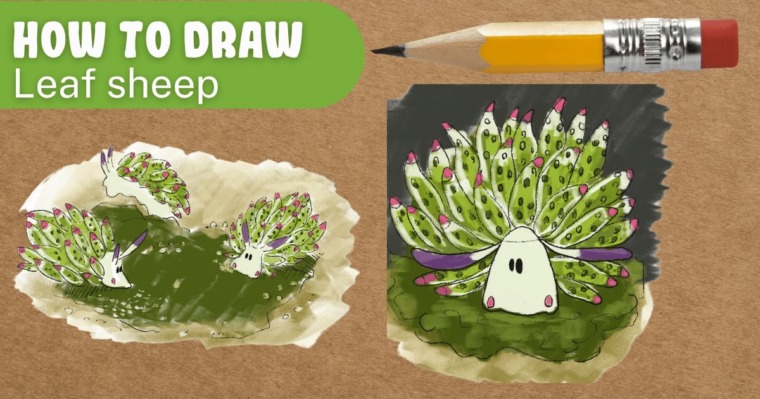
It may look like an adorable green sheep, but this amazing animal is so tiny it could fit on your fingertip!
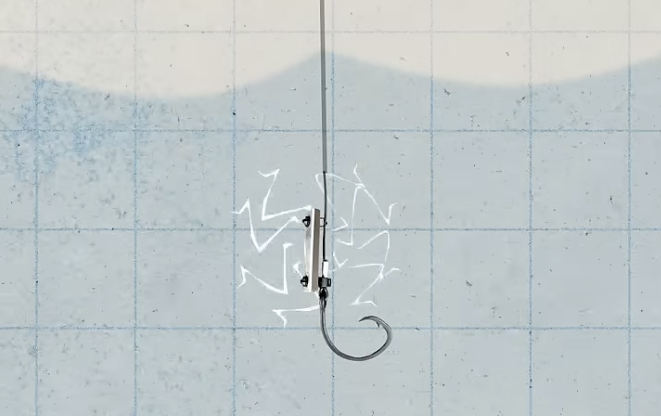
Each year, 50 million sharks are killed as bycatch, but a new invention could change that.

Scientists have made the surprising discovery that Greenland sharks can see, even though they live in deep, dark waters.

Settlers hunted the tortoises to extinction, but luckily some survived on a nearby island.

Thanks to new technology, scientists can now attach tiny devices called biologgers to slippery stingrays.
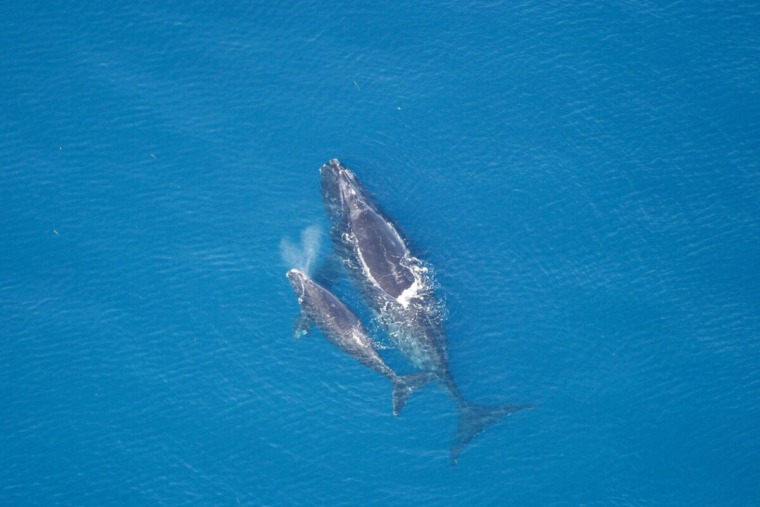
Scientists are using underwater microphones, aerial surveys, and machine learning to count endangered North Atlantic right whales.

Elephant seals fitted with biomonitors bring back data from the deep ocean, where people can’t easily go.
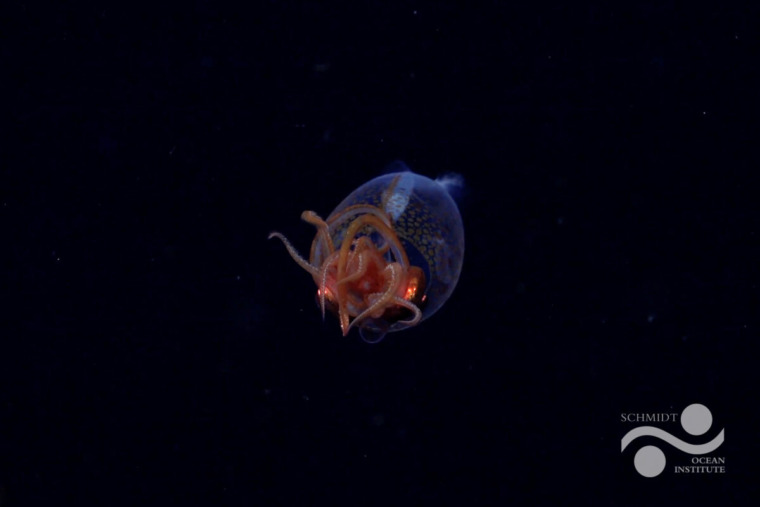
A baby of the largest known squid species was seen for the first time.
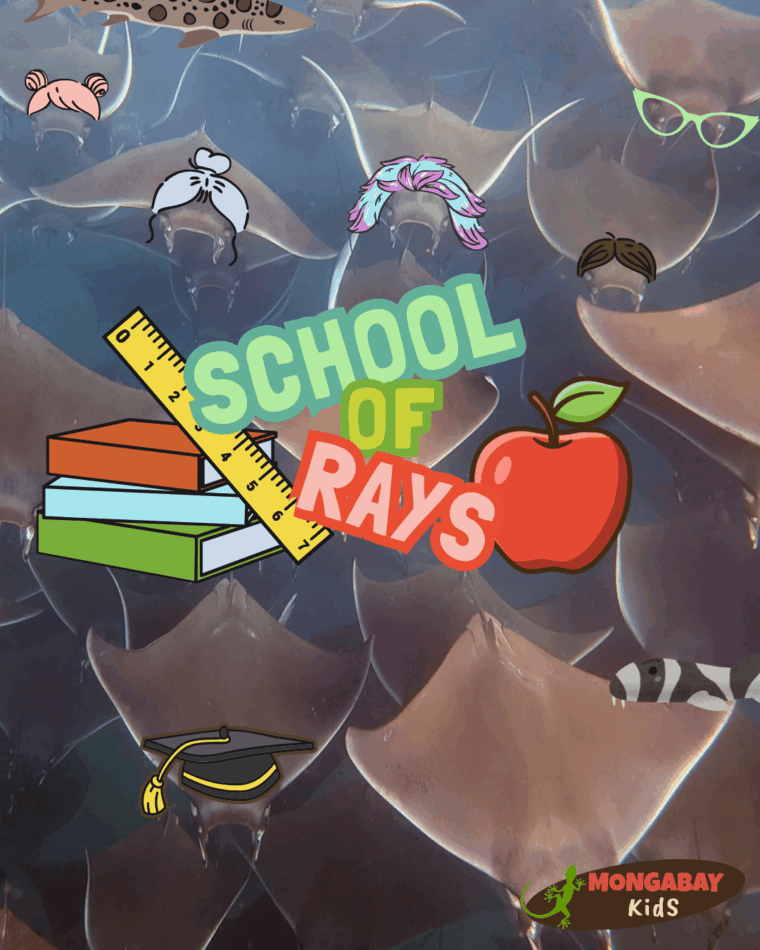
Can you spot the 10 differences?

Each summer, thousands of belugas migrate from Arctic waters to Canada’s Churchill River to feed, molt, and have their babies. Scientists are following the action and citizen scientists can help too!
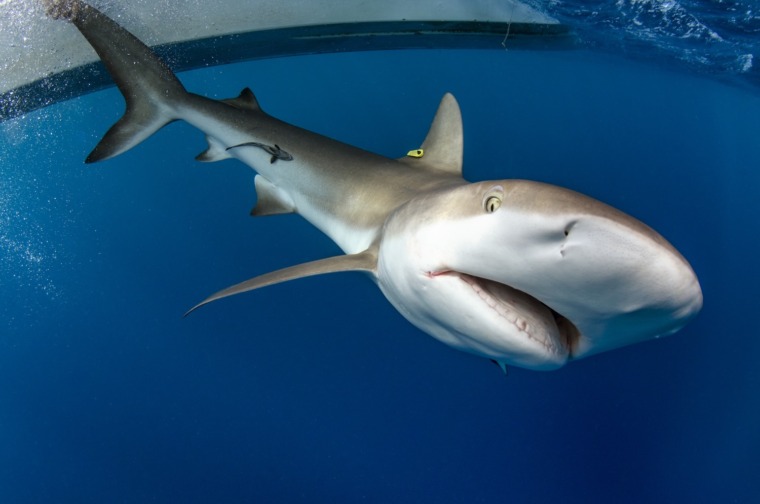
Caribbean reef sharks were overfished in Belize. The good news is that fishers, scientists, and government officials worked together to find a solution.