The Campbell’s keeled glass-snail was once thought to be extinct. Then researchers discovered a wild population in 2020.


The Campbell’s keeled glass-snail was once thought to be extinct. Then researchers discovered a wild population in 2020.

Conservation can work! Green turtles and a little snail show how it’s done.
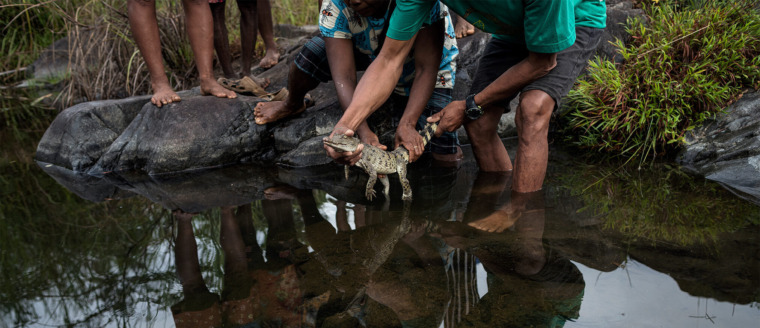
Scientists and Indigenous community members are working together to protect the Philippine crocodile.

Scientists were using drones to count South American river turtles in the Brazilian Amazon when they discovered the nesting site with around 41,000 adult females.
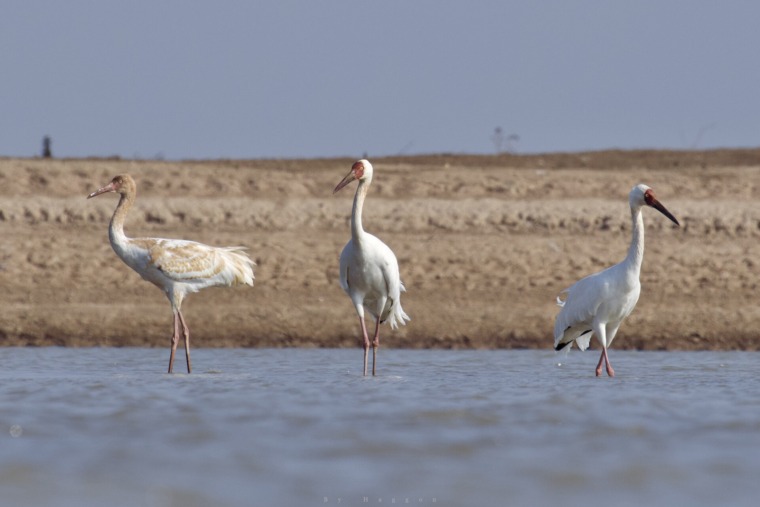
Over the past decade, conservation efforts have helped the number of critically endangered Siberian cranes double in one area.
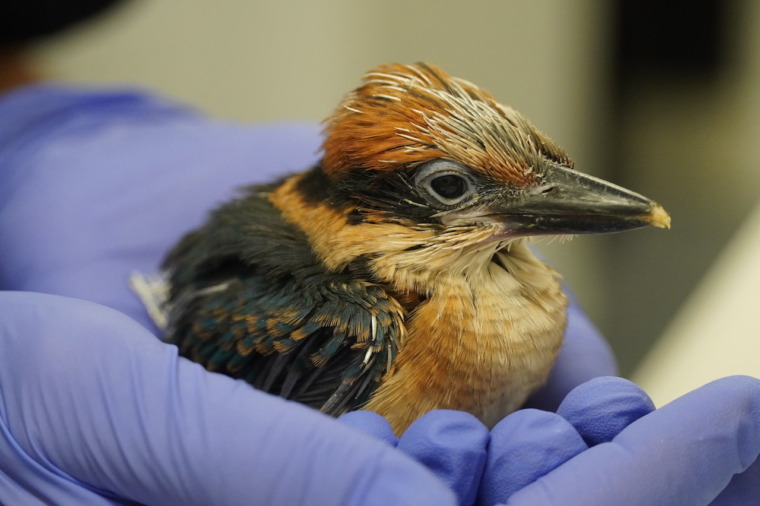
There is good news for a bird called the Guam kingfisher, which was declared extinct in the wild in 1988 due to predation from brown tree snakes.
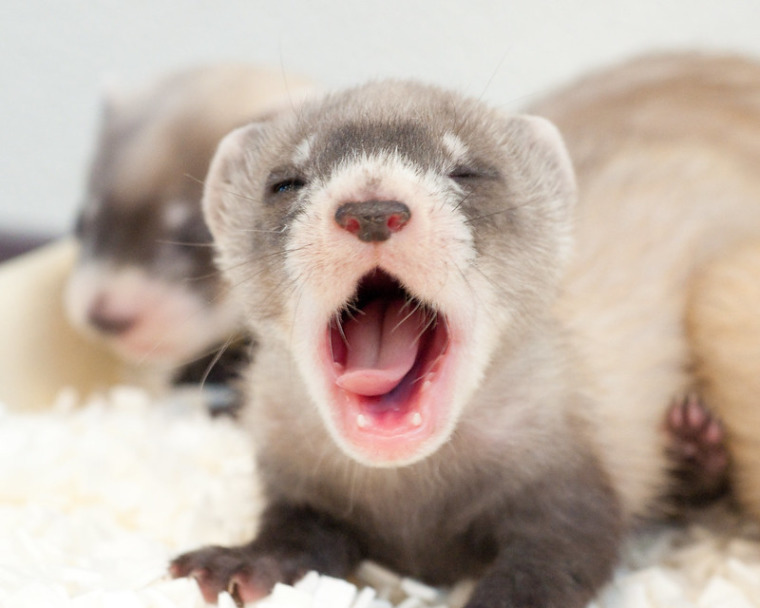
Learn how black-footed ferrets have been fighting for their survival, with the help of some human friends.
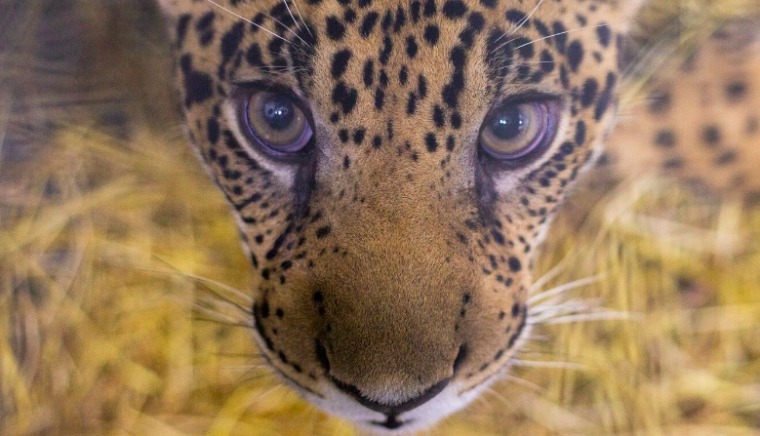
Biologists in Brazil are learning new strategies to help return jaguars to the wild.
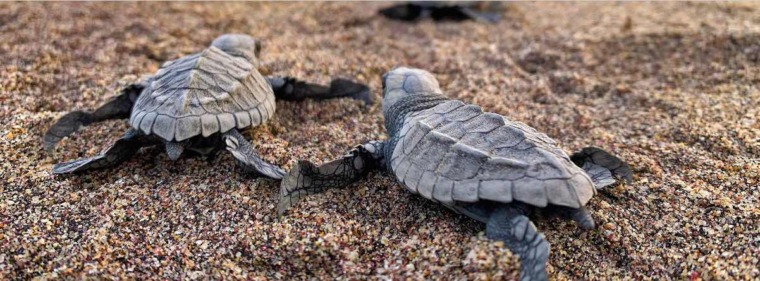
Learn how conservation work is helping olive ridley turtles succeed in Bangladesh.
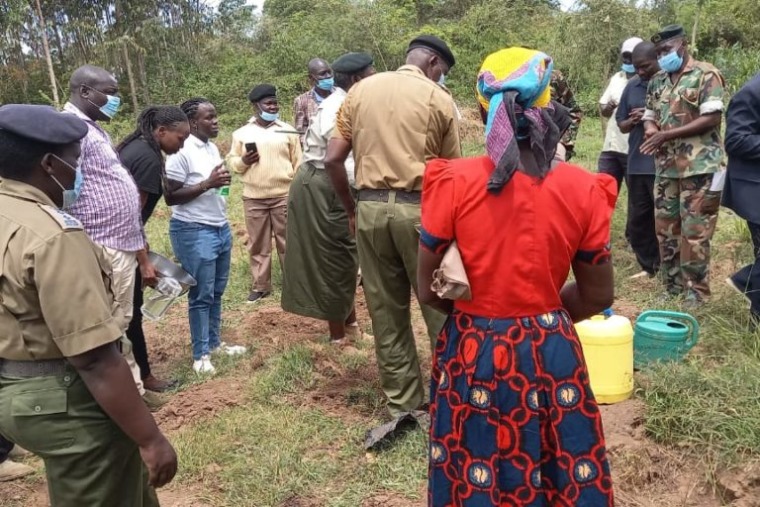
A community in Kenya has had great success regrowing their local forest. Read the story to learn more!
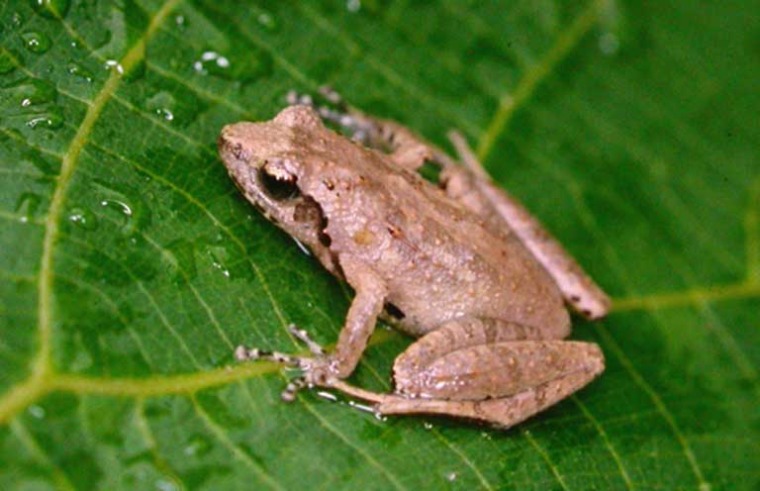
Reading level: Grade 5-6 You might think all rare and unique animals are discovered in remote places … like rainforests, mountaintops, or deserts. Not in the case of the Romer’s tree frog! This is the story of how this little frog found itself living in…
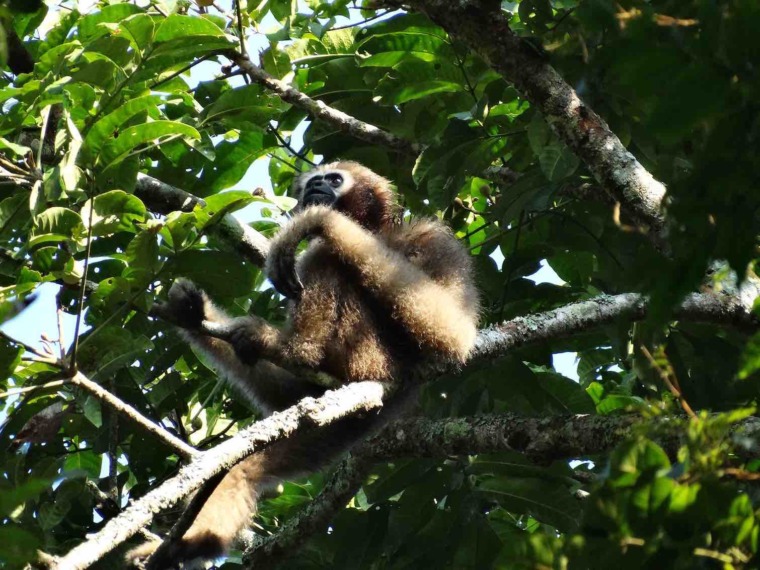
A female hoolock gibbon photographed in the Hoollongapar Gibbon Sanctuary. Image by Miraj Hussain via Wikimedia Commons (CC BY-SA 4.0). There is only one type of ape in India, the hoolock gibbon. Several families of hoolock gibbons live in Hoollongapar Gibbon Sanctuary in India’s northeastern state of…