By Veronarindra Ramananjato and David Brown
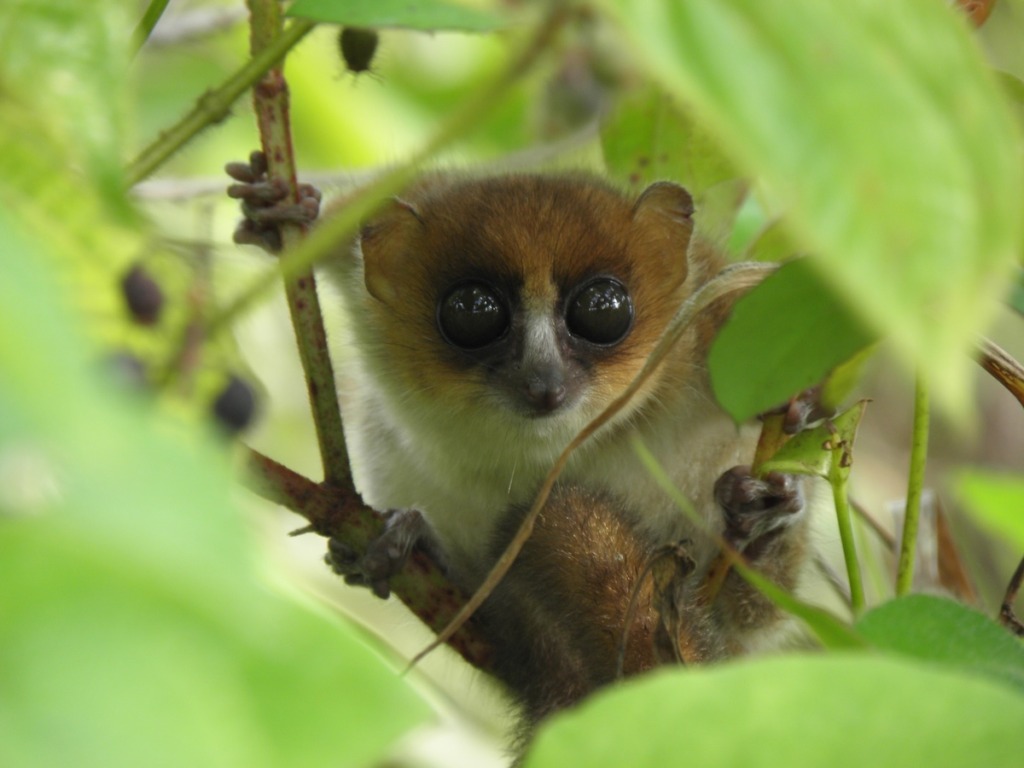
Mouse lemurs are the world’s smallest primates. They weigh between 23 and 98 grams (0.8 and 3.5 ounces), roughly as much as a chocolate bar.

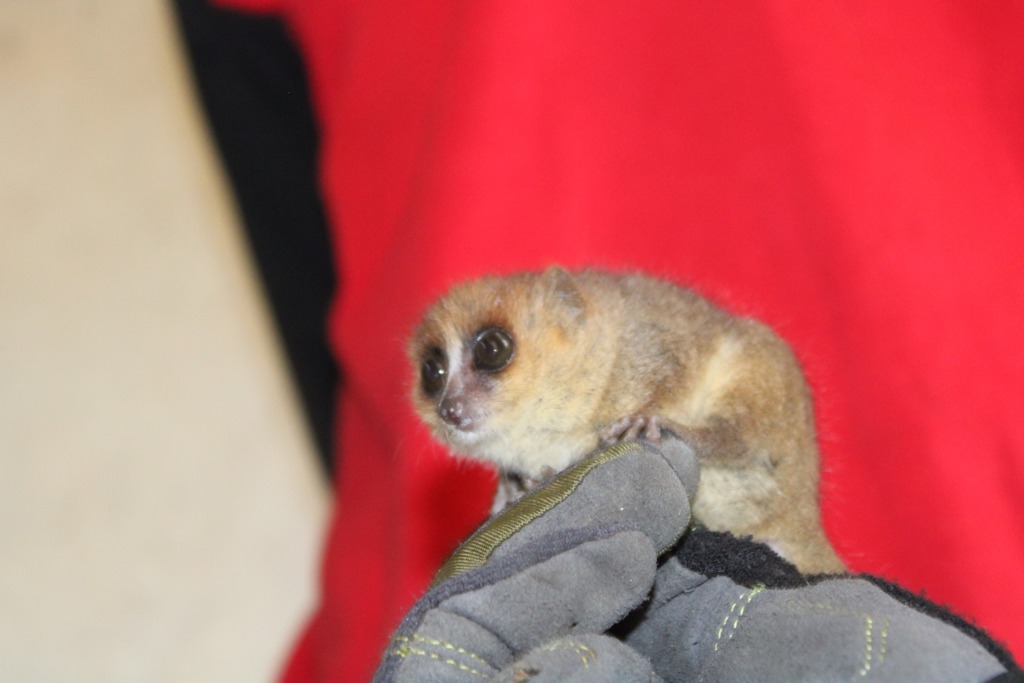
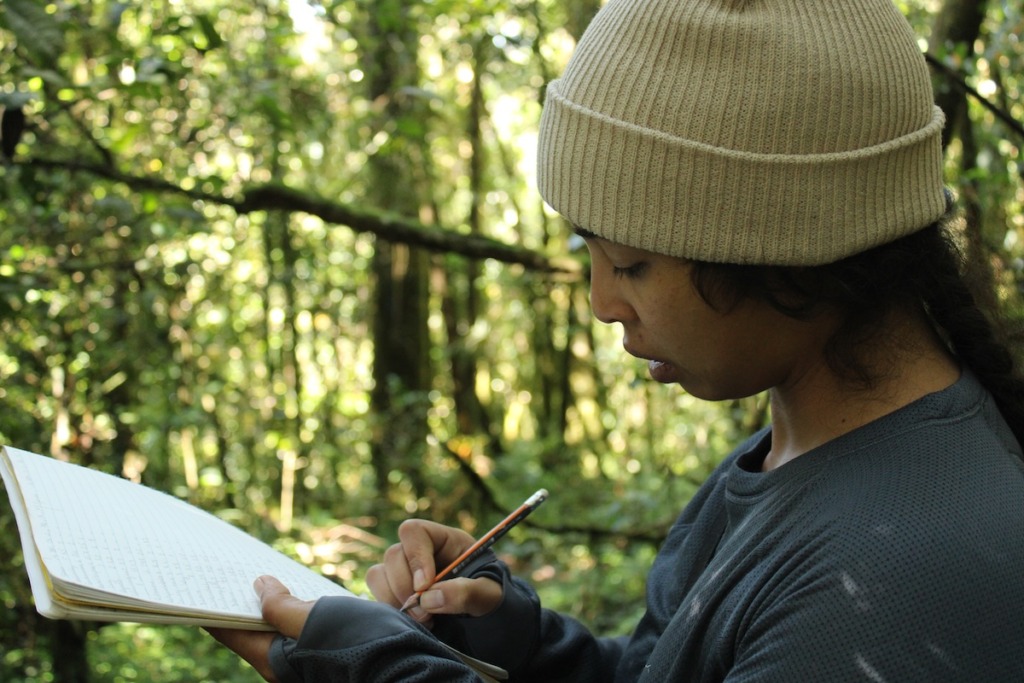
Tropical ecologist Veronarindra Ramananjato is an expert on mouse lemurs. She gives us a look at the basics of these fantastic little lemurs.
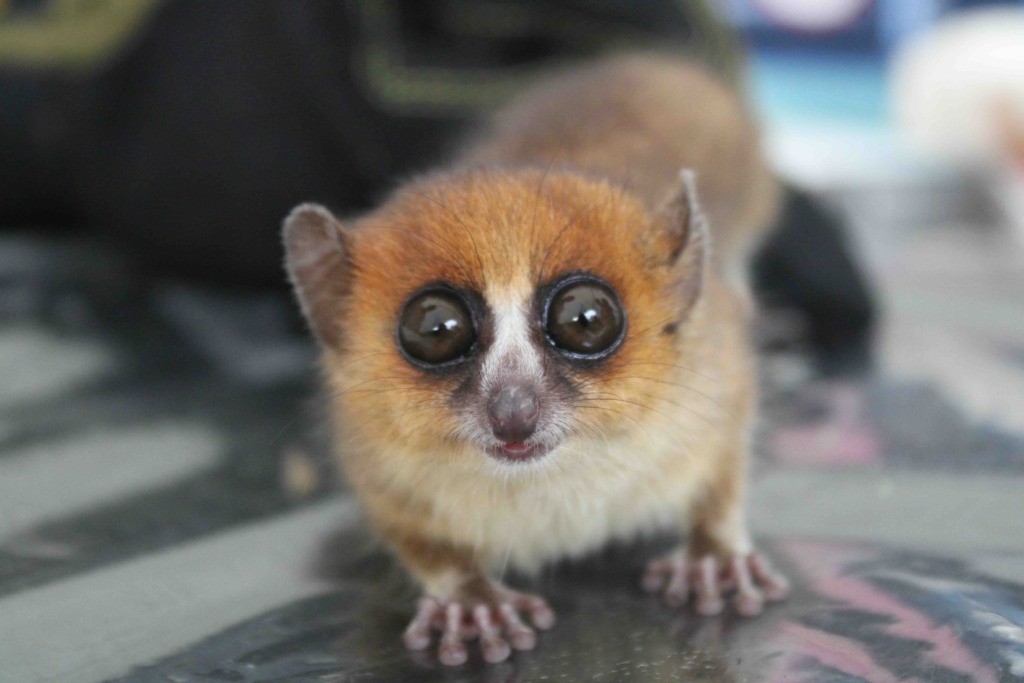
“I find mouse lemurs very cute, with their big eyes and ears, and little hands that help them have a grip on tree trunks and branches,” says Veronarindra.
Where mouse lemurs live
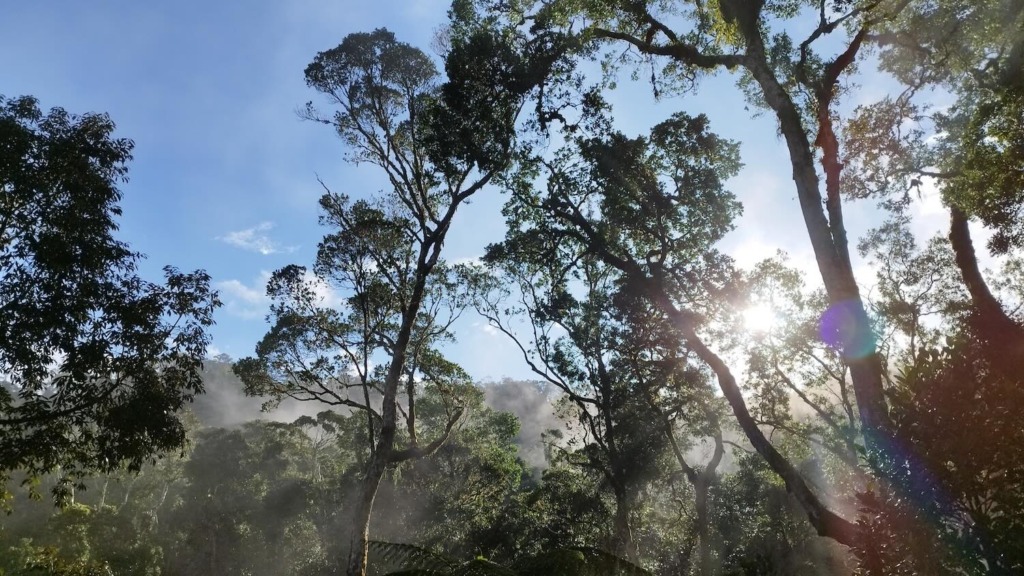

All 19 known species of mouse lemurs live in Madagascar. They live in habitats ranging from rainforests to dry forests and spiny bushes. They usually move around the lower part of the forest, called the understory. Sometimes, they look for food or partners in the higher parts of the forest.
What mouse lemurs eat

Mouse lemurs are omnivorous. They eat practically everything: fruits, insects, spiders, flowers, gum from plants and animals, tree bark, and twigs. Sometimes mouse lemurs eat small vertebrates, such as lizards and frogs.
How mouse lemurs spend their time
Mouse lemurs are nocturnal. This means that they are active at night and sleep during the day. They have big eyes to help them gather light and see at night.
Mouse lemurs become active a little before sunset, as the understory is already dark then, especially in mountainous regions. They leave their nest and groom themselves, or sit and look around.
They spend most of their nights looking for food and eating. Young mouse lemurs also like to play with each other. Adult female mouse lemurs also feed and take care of their young.
Where mouse lemurs sleep
Mouse lemurs sleep in small holes in tree trunks. Some build a soft nest made of fresh, piled-up leaves. They often abandon those nests when the leaves dry out and build a new nest. They can also sleep in burrows on the ground.
Mouse lemurs are solitary, which means they live alone. You are most likely to find only one mouse lemur per hole or nest.

What eats mouse lemurs

Because mouse lemurs are tiny, almost all predators in the forest want to eat them. These include snakes, birds of prey, and Malagasy carnivores, like the fossa and mongoose.
Mouse lemurs have a strong sense of smell and can easily recognize the presence of a predator. Mouse lemurs are very mobile and run and leap to escape predators.

How mouse lemurs help forests grow
Mouse lemurs help pollinate some plant species. Pollen often sticks on their snout and whiskers, or sometimes on the fur of their hands, and as they move from one flower to another, they pass this pollen between plants.
Mouse lemurs are also seed dispersers. After they eat fruits, they poop out the seeds and deposit them in new areas, where most grow into new trees. By spreading pollen and seeds, mouse lemurs help more than 30 plant species grow in new spots across the forest. These include herbs and high canopy trees, lianas, and parasitic and epiphytic plants. They are the sole disperser of some of these plant species.
How mouse lemurs can help us learn about humans

Veronarindra says:
“Mouse lemurs are closely related to humans and have diseases similar to humans, so studying them can help figure out how humans respond to stress and cope with it, as well as cure diseases.”
Did you know?
There are more species of mouse lemur than almost any other kind of lemur! Scientist Dominik Schüßler explains two main reasons why.

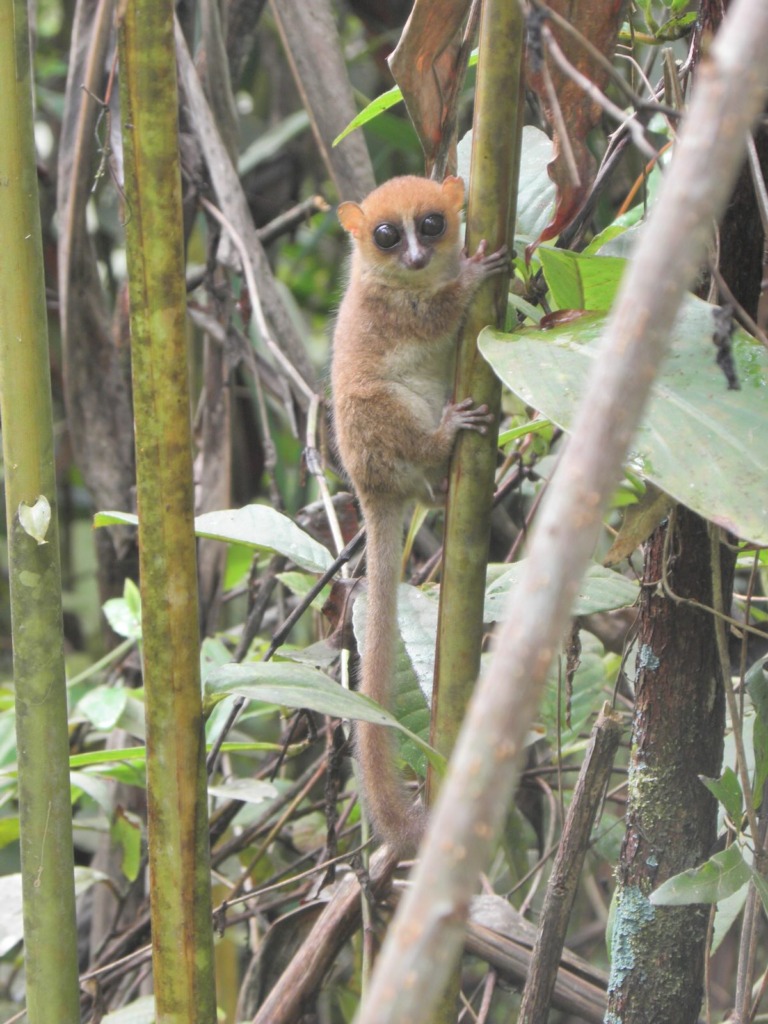
Reason 1: Madagascar has many natural barriers
Madagascar has many tall mountains and big rivers. For small mouse lemurs, these barriers are hard to cross. Dominik explains that when a group of mouse lemurs becomes cut off, the population can change over time and evolve into a new species.
Reason 2: Mouse lemurs are adaptable
Some species can survive rough climates. Dominik says: “Some species live in environments that have very strong seasonality, with very cold or dry times of the year. To survive in these environments, some mouse lemur species can sleep for several months. They only wake up when the weather conditions are better.”

This story was created as part of the 2025 World Lemur Festival, in partnership with the Lemur Conservation Network.