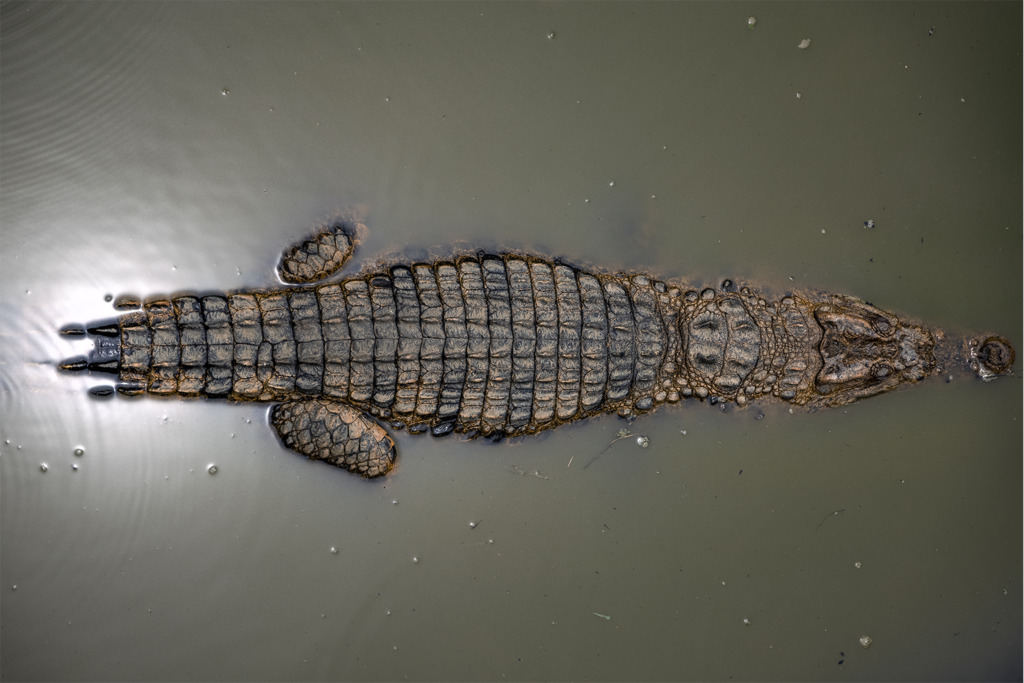
The Philippine crocodile (scientific name: Crocodylus mindorensis) was once widespread across the Philippine archipelago. But decades of habitat change and hunting reduced their numbers, and today, there are thought to be fewer than 250 individuals in the wild.
Now, scientists and Indigenous community members are working together to provide hope for these culturally important crocs. In one region of the Philippines, the crocodile population grew from a few adults observed in 1999 to 125 individuals by 2024.
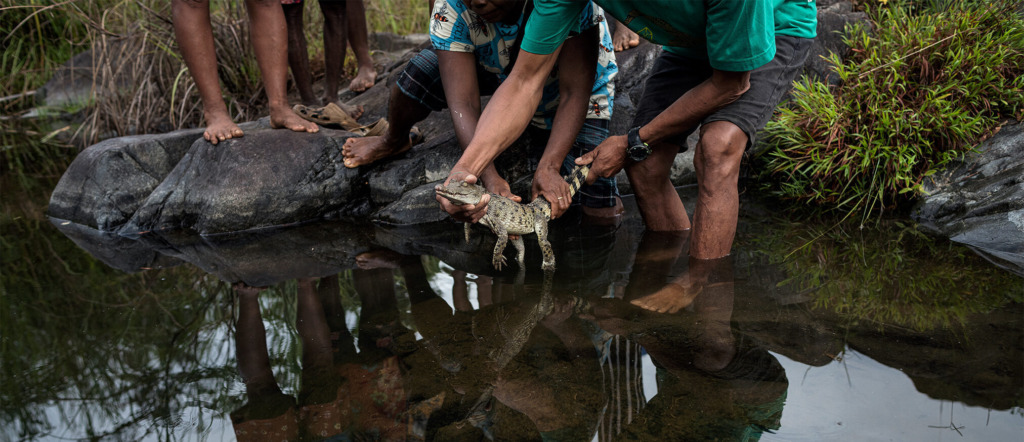
For Indigenous Agta elders of the Sierra Madre rainforest, this reptile is not a menace, but a guardian.
“We have always coexisted peacefully with crocodiles, and today I am passing on to my grandchildren the same advice my parents gave me,” says Olalia Infiel, an Agta elder of the local community of Dunoy. “I often encountered crocodiles while washing clothes or bathing in the river. My parents always told me to speak to the crocodiles first and ask for their permission to share the same space.”
Watch the video to learn more:
Educator tip: Use this story to start a discussion about how people’s attitudes toward wildlife can help or hurt conservation efforts.
Learn more
Read the full story by Giacomo d’Orlando on Mongabay News.