Thanks to new technology, scientists can now attach tiny devices called biologgers to slippery stingrays.


Thanks to new technology, scientists can now attach tiny devices called biologgers to slippery stingrays.
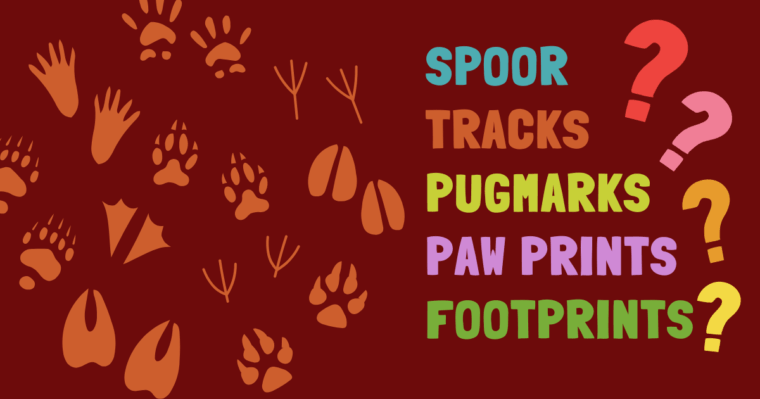
Scientists are using AI to track animals in new ways.

Scientists are using a 3D scanner to create digital specimens of wild animals.
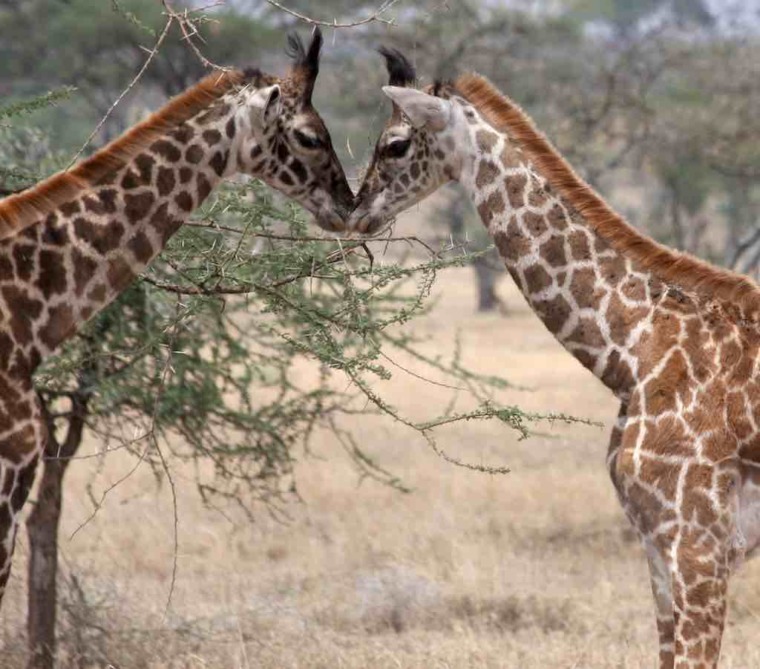
A new AI algorithm is helping scientists study and protect our long-necked friends.

A small biologger device fitted to bats recorded the capture of a European robin.
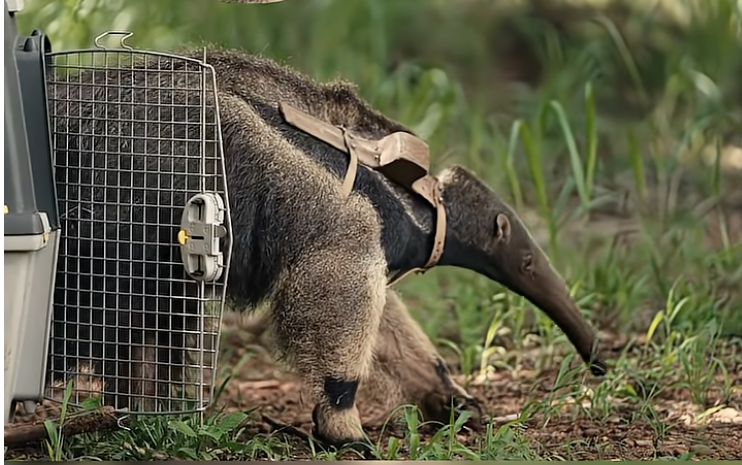
Scientists are using tiny heart monitors to learn how anteaters and other animals respond to changes in their environment.
Environmental DNA is genetic material that animals shed.
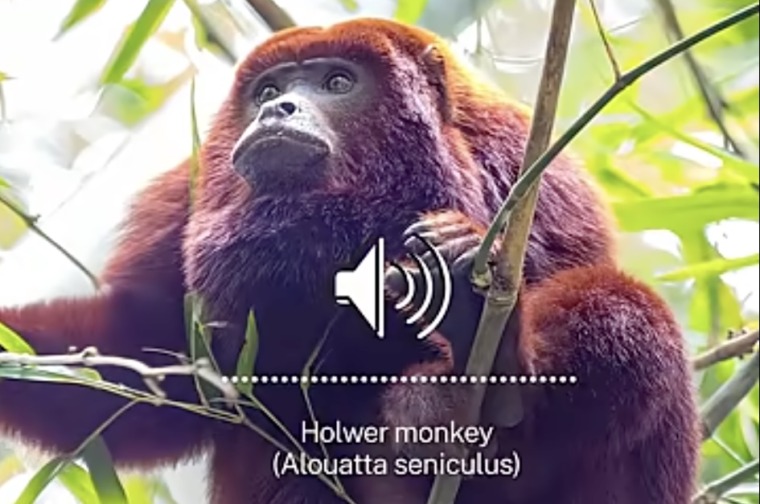
Scientists Mark and Jackie are on a mission to capture weird, wonderful, and loud animal sounds.

Learn how the iButton is helping scientists study and protect an endangered desert tortoise.
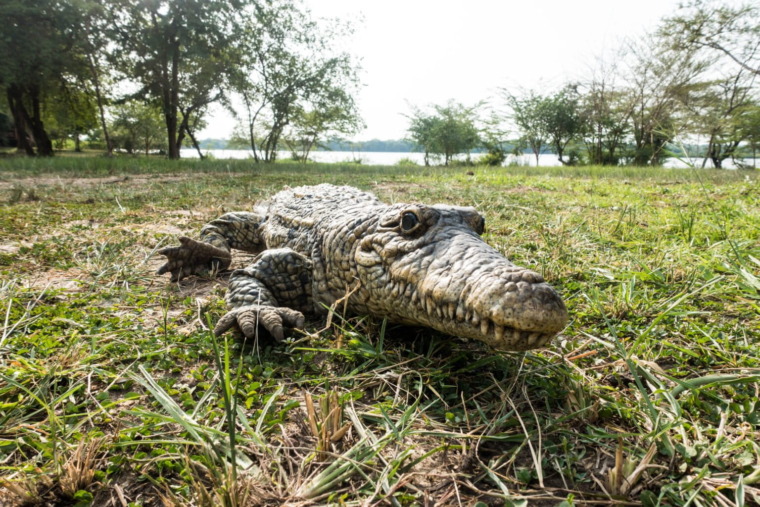
Biorobots are robots that look and move like wild animals. This exciting technology may help us learn new things about animals and their needs.
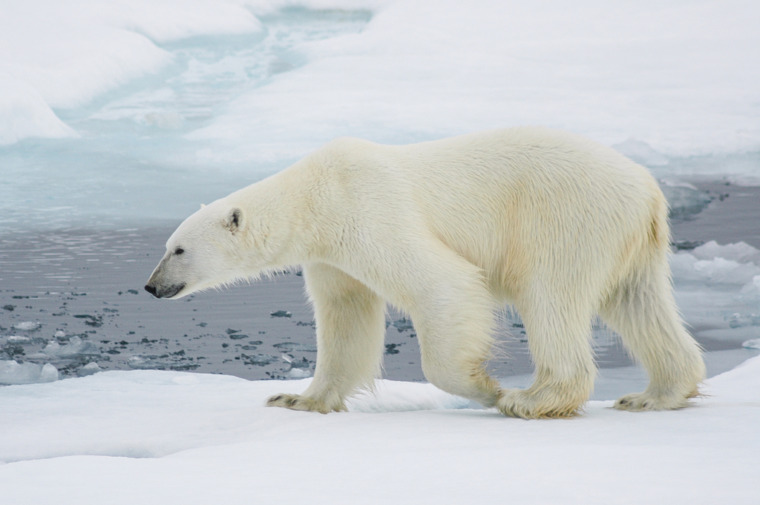
A new tracking device is helping scientists learn more about where polar bears go and what they do.
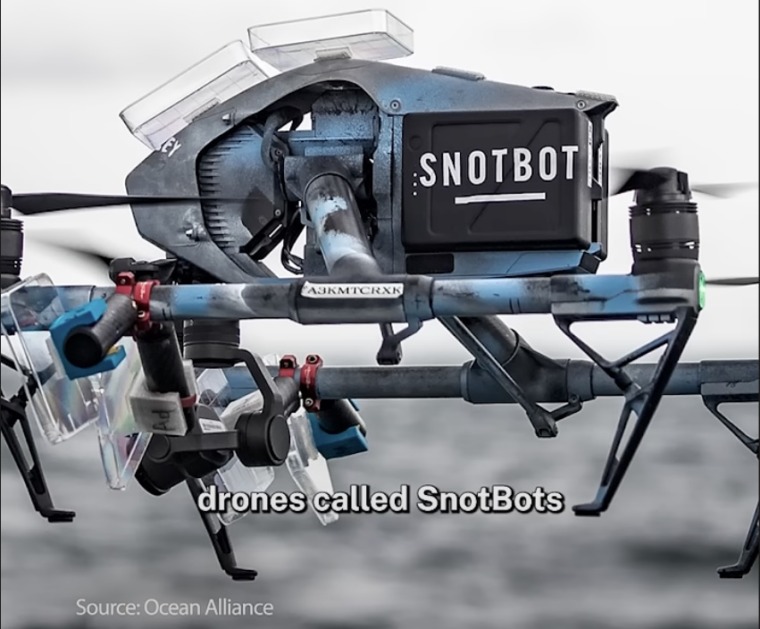
Scientists use the collected mucus to learn about whales’ genetic diversity, respiratory health, and stress levels.