The increasing worldwide trade in ornamental plants means an increase in animals hitchhiking on them. This sometimes leads to an invasive species problem.


The increasing worldwide trade in ornamental plants means an increase in animals hitchhiking on them. This sometimes leads to an invasive species problem.
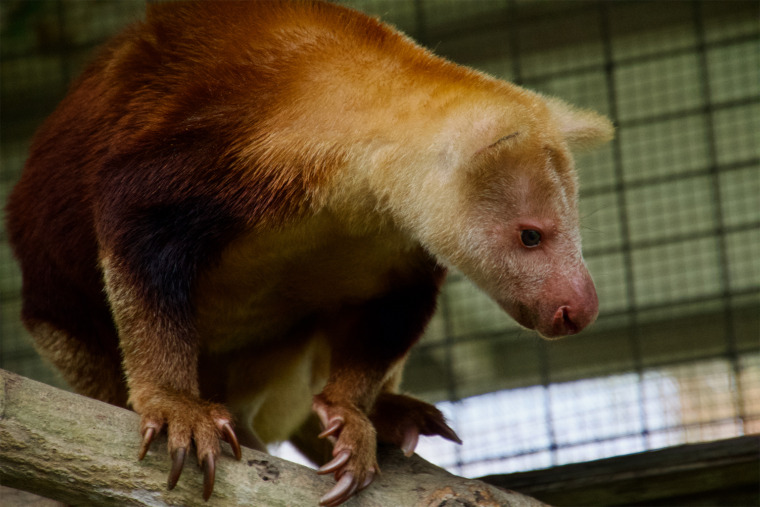
A staggering number of plants and animals live in Papua New Guinea’s Torricelli Mountains.
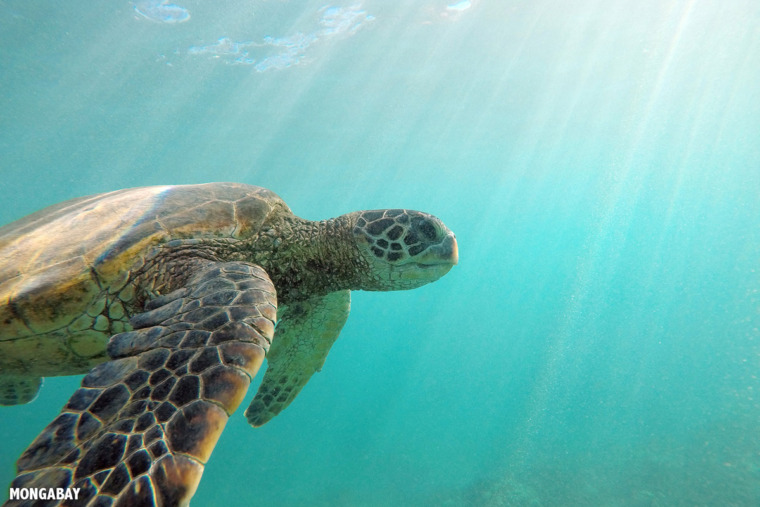
Researchers discovered that sea turtle nests in Malaysia have microplastics in them. This could increase the temperature in the nest, possibly changing the sex of the hatchlings.
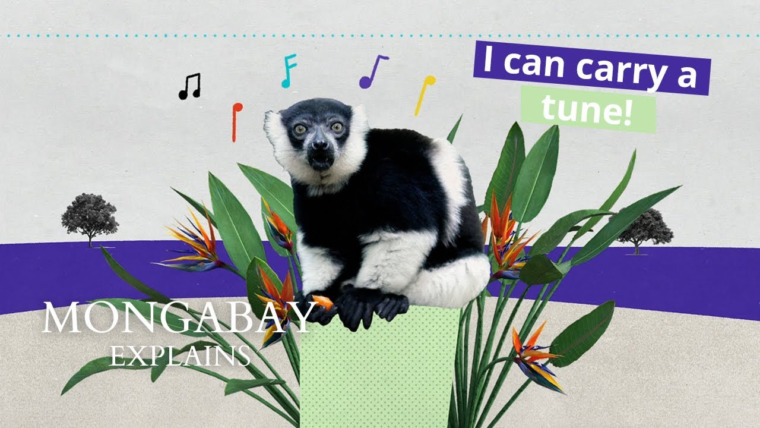
Scientists have found that indri songs exhibit rhythmic patterns that are common in human music.

Bangladesh first banned plastic bags in 2002, but the country still uses a lot of plastic. Plastic bag alternatives are being developed, but they are currently more expensive.
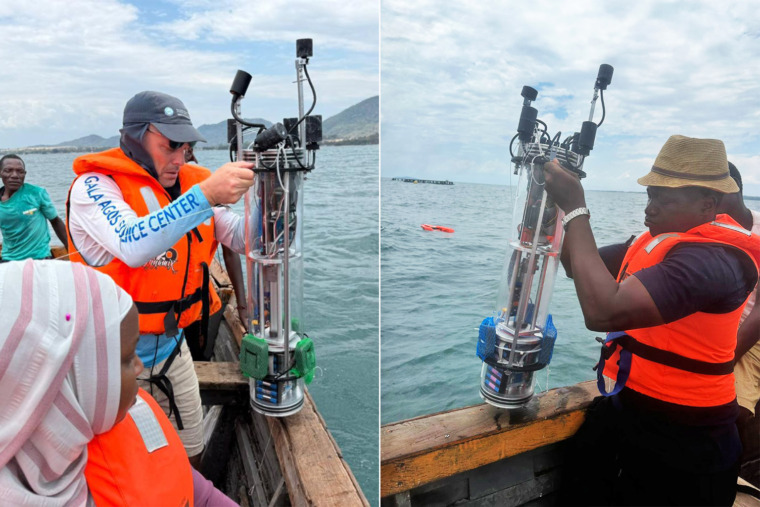
Scientists created a robot that could help fishers find fish more efficiently, and they tested the robot out on a lake in Malawi.
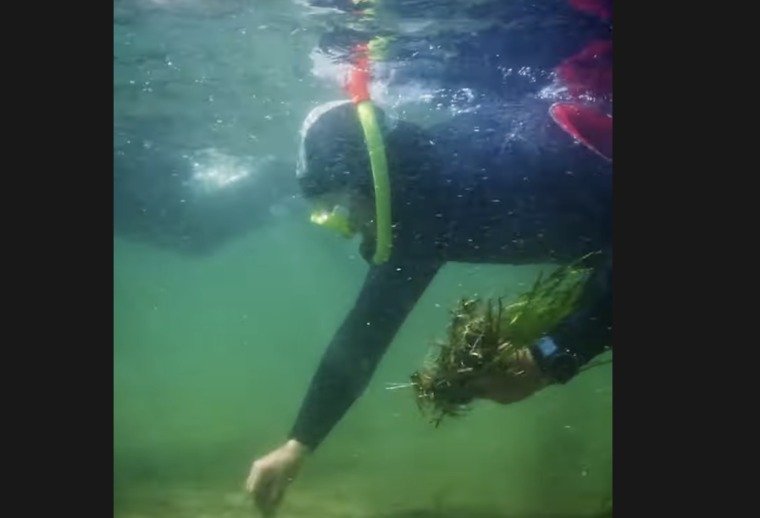
Community group Seawilding has reintroduced 350,000 oysters and helped seagrass take root.
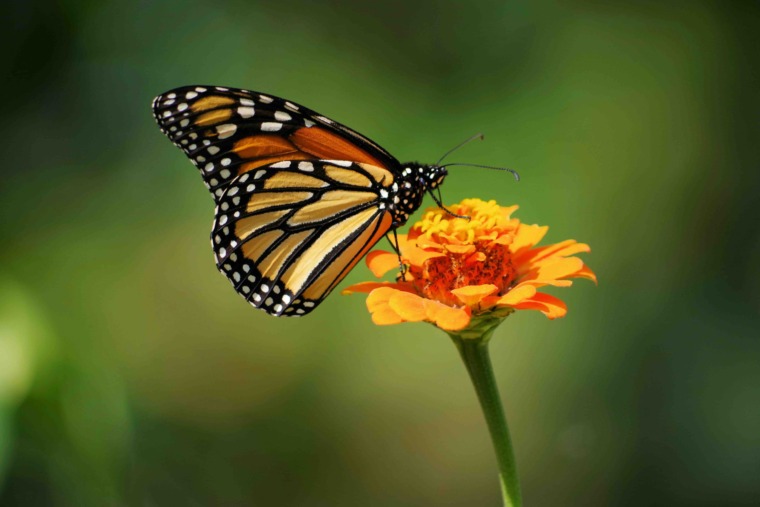
Scientists looked at butterfly data collected by citizen scientists across the United States. They found a 22% drop in butterfly numbers in only 20 years.
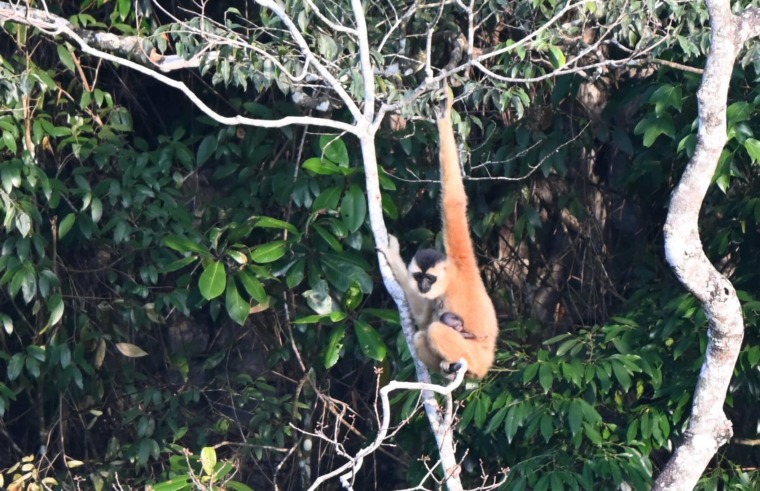
Good news! A community conservation team saw two baby Cao-vit gibbons, one of the world’s rarest apes, in the remote forests of northern Vietnam in 2024.
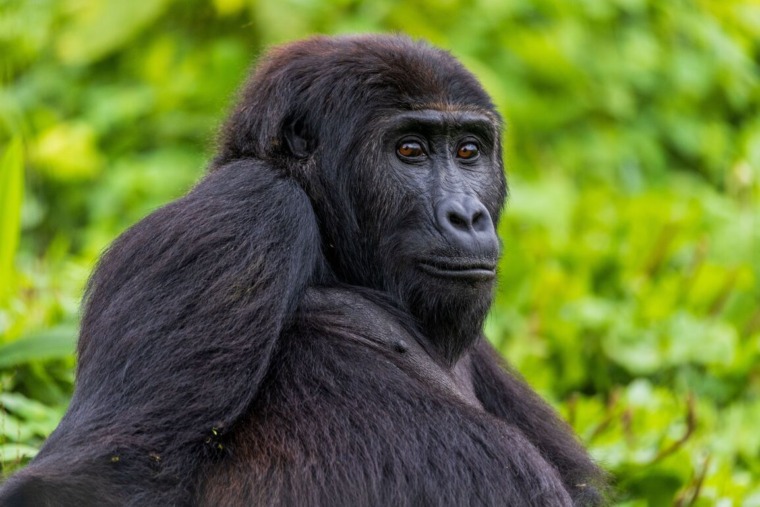
The gorillas — named Mapendo, Isangi, Lulingu, and Ndjingala — were airlifted by helicopter to their new home on Mt. Tshiaberimu. All four were raised in a gorilla sanctuary called GRACE after being rescued from the illegal wildlife trade as babies.
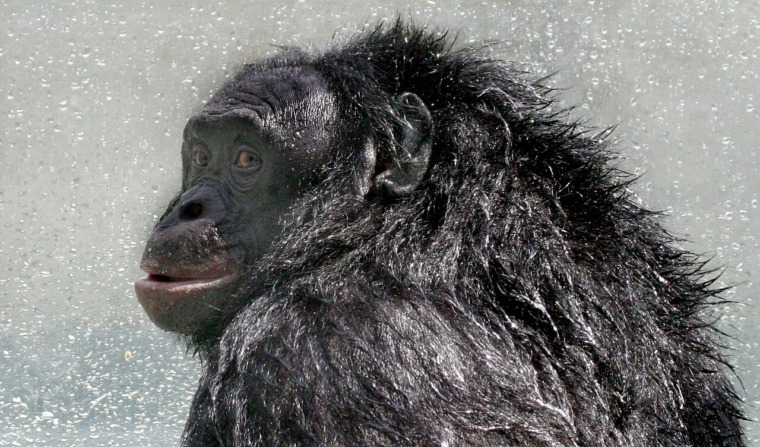
Kanzi the bonobo was famous for his ability to communicate with humans using symbols. He even learned to play Minecraft.
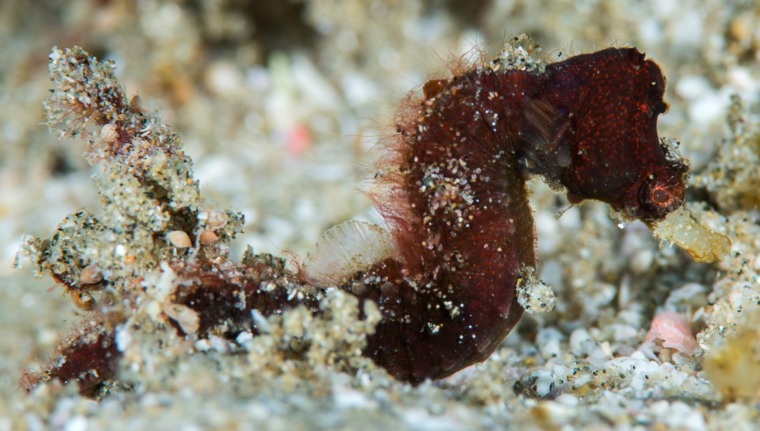
The new species include a pygmy pipefish, a guitar shark, and a squat lobster.