A new study has found more evidence that the African aardvark helps spread the seeds of an unusual African melon called Cucumis humifructus.
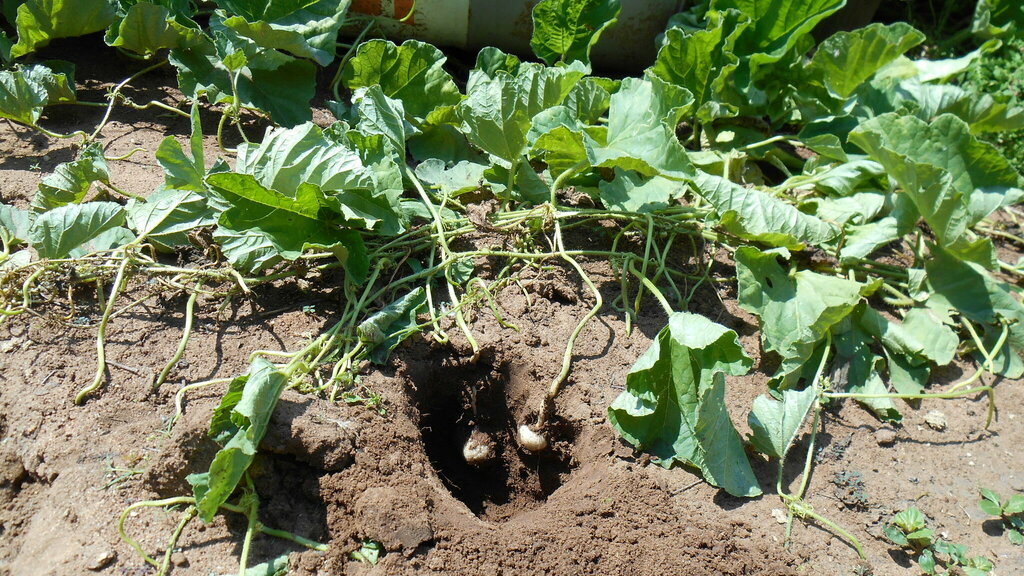
Cucumbers and melon plants usually produce their fruits aboveground. But C. humifructus buries its fruits about 20 centimeters (8 inches) underground. How the seeds of this white melon are dispersed is a bit of a mystery, though previous evidence pointed to the aardvark.
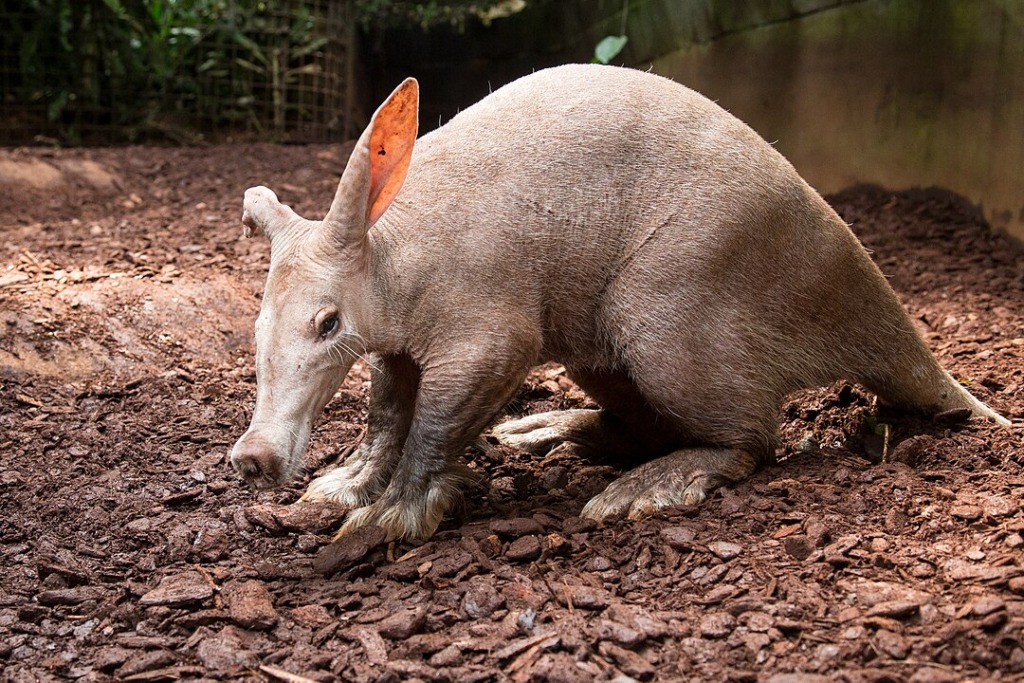
The aardvark – or antbear – is a nocturnal, burrowing mammal found in sub-Saharan Africa. It mostly eats ants and termites. It uses its long, sensitive nose to sniff out its insect prey, then digs them out with its strong claws. But the aardvark sometimes has a taste for fruit, too.
In the past, scientists found seeds of the C. humifructus melon in aardvark intestines. They also observed melon seedlings growing out of aardvark droppings. Indigenous people and local communities also speak of the aardvark and melon’s close relationship. This melon is even referred to as the “aardvark cucumber.”
The scientists wanted to gather more evidence to see if aardvarks help spread the melon’s seeds. They set up three types of study sites on a farm in Namibia:
- where fruits were growing at natural depths
- where scientists buried fruits at shallow depths
- where scientists placed fruits on top of the ground
Then the scientists set up camera traps to see which animals came near and if they ate the fruits.
The cameras recorded 11 mammal species near the fruits. Aardvarks and porcupines were the most frequent visitors. Aardvarks were the only animals that dug deeply enough to remove the naturally buried fruits. The porcupines ate only the shallow-buried fruits or fruits aboveground.

The scientists also found that aardvark poop contained intact melon seeds. Porcupines gnaw their food, and their droppings tended to contain damaged seeds. The scientists think that C. humifructus evolved to bury its fruits deep to avoid the seeds being destroyed by animals like porcupines.
To find out how the aardvarks detect the deeply buried melons, the scientists analyzed the fruit’s scent. They found the melons have a unique chemical signature, which may attract the aardvarks. Camera trap videos showed aardvarks vigorously sniffing, with their nose pressed to the ground where the melon fruits were buried.
This study didn’t address why aardvarks seek out the melons, when they mostly eat ants and termites. But melons may be a source of water for aardvarks living in dry areas.
Megan Strauss adapted this story for Mongabay Kids. It is based on an article by Shreya Dasgupta, published on Mongabay News.