Why do wolves howl? And what exactly are they saying to their pups, pack mates and rival packs? These are questions humans have wondered about for a very long time.
Jeff Reed is a citizen scientist and computer engineer from Montana who became interested in wolf calls. Now Jeff is trying to help make sense of “wolfish,” the more than 20 unique calls wolves make. These calls include barks, whimpers, whines, and howls.
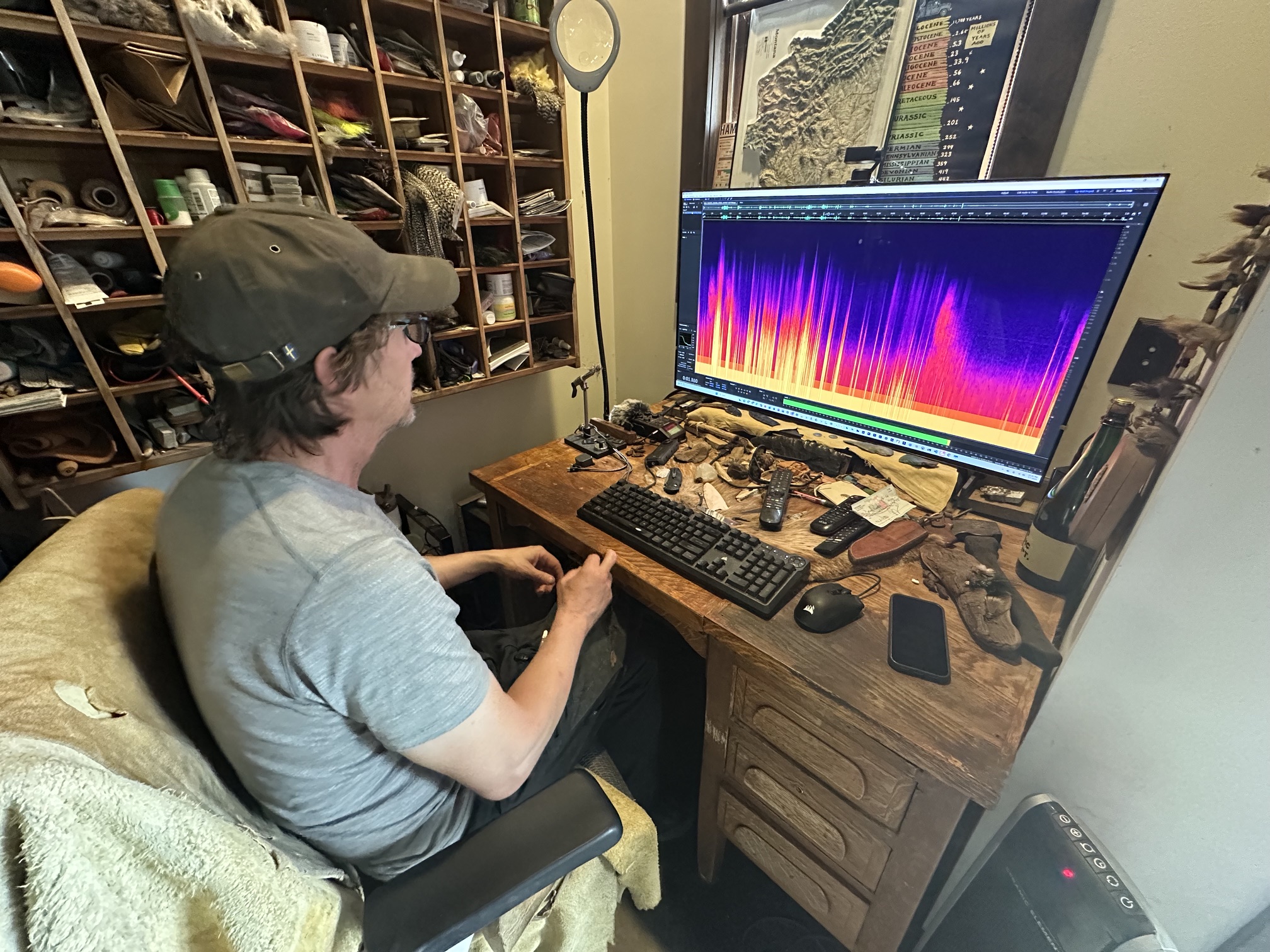
Jeff is working with researchers who study wolves in Yellowstone National Park, in nearby Wyoming. The project is called the Cry Wolf Project.
Jeff and his team place audio recorders around Yellowstone to record the sounds of nature. Then Jeff uses AI to extract wolf calls from those recordings. So far, Jeff has pulled out more than 8,000 hours of continuous wolf vocalizations.

In this video, you can hear wolf calls, then see how Jeff turns the calls into digital shapes.
Jeff is trying to make sense of what these different calls mean. Do wolves have a language? Do different wolves sound the same or have unique calls?
Listening to wolves can help us appreciate them more. It may also help us protect them. The technology could be used to count wolves, track where they go, and better understand their habitat needs. It could also be used to protect livestock from wolves, which could keep wolves safer too.
This story has been adapted for Mongabay Kids. Read the full article by Justin Catanoso at Mongabay.