A new tracking device is helping scientists learn more about where polar bears go and what they do.
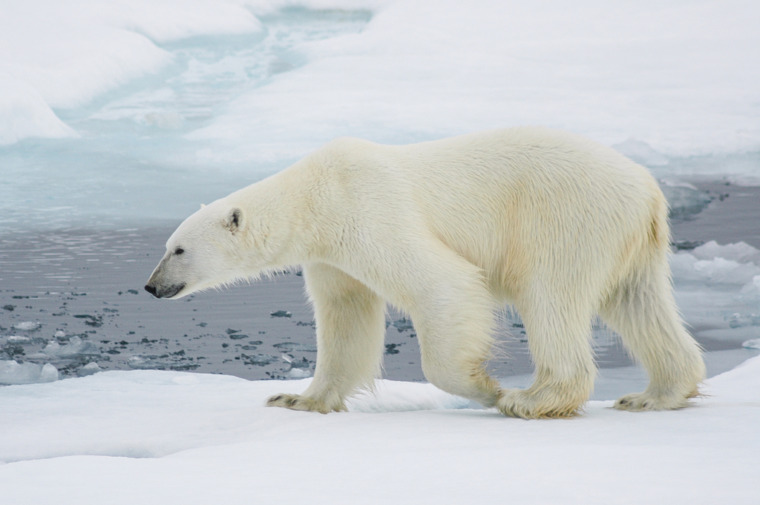

A new tracking device is helping scientists learn more about where polar bears go and what they do.
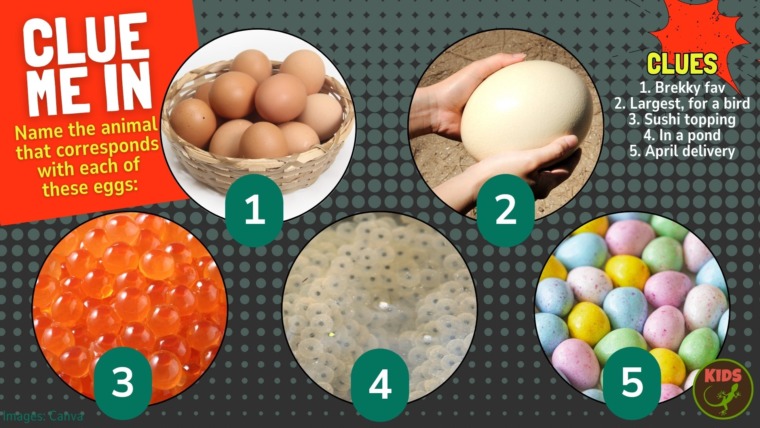
Calling all nature detectives! Can you figure out which animals these eggs come from? Use the images and clues to solve the puzzle.
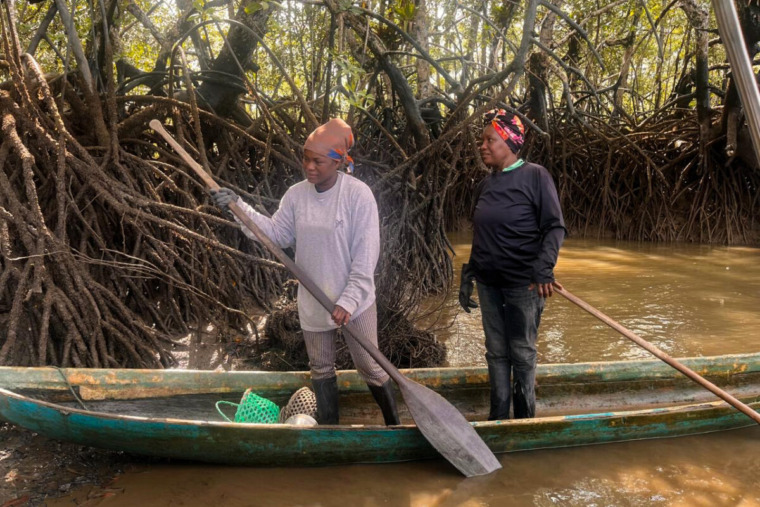
Piangüa mollusks are an ecologically, culturally, and economically important clam found in mangrove forests of Central and South America.

Ronan is better able to keep a beat than the average human, a new study finds.

Army ants are portrayed as monsters in movies and books, but the real animals are much more interesting than that.
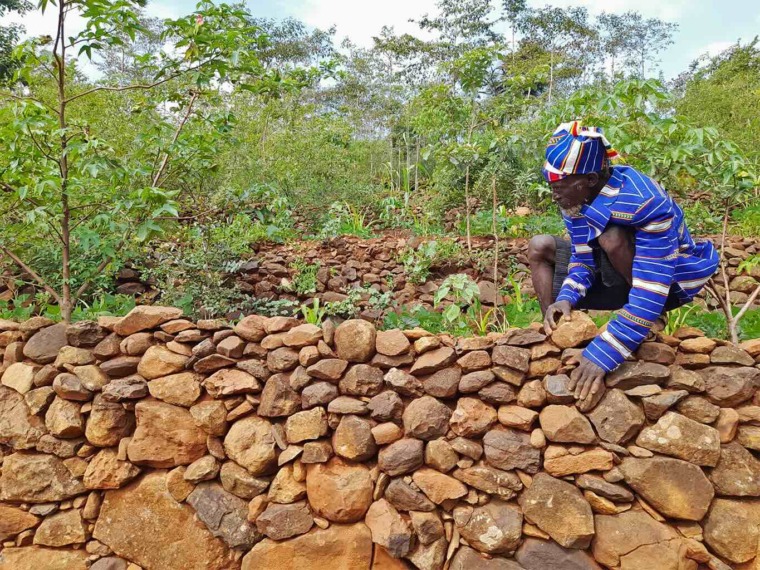
Farmers in Konso, Ethiopia, are adapting to climate change by adding agroforestry and drought-resistant plants to their traditional terraced farms.

The leucistic purple-faced langurs are a tourism sensation.
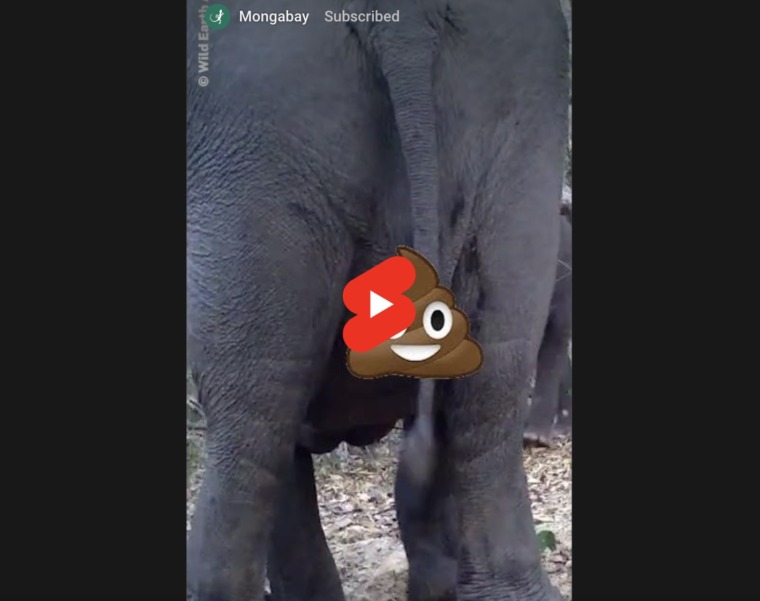
Asian elephants aren’t just the largest land mammals in Asia — they’re also forest gardeners!
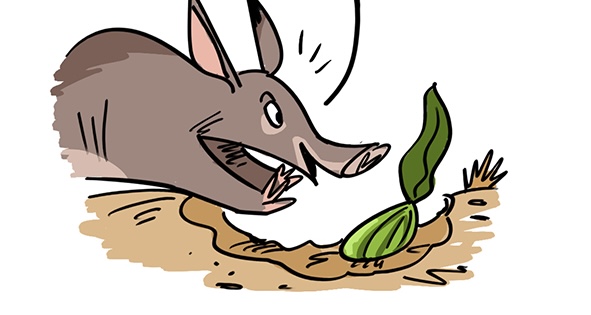
A new study has found more evidence that the African aardvark helps spread the seeds of an unusual African melon.
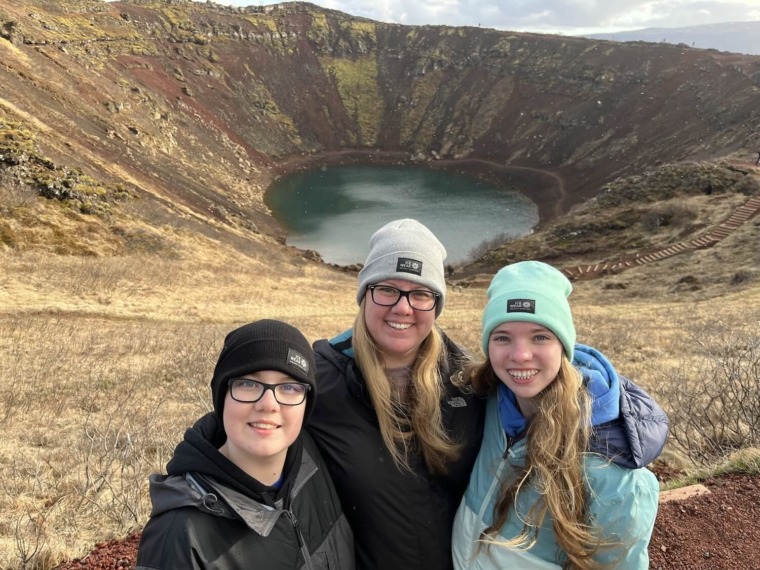
Kylie, Jeffrey, and their mom, Debbie, report on their visit to Iceland and its unique geothermal wonders and wildlife.
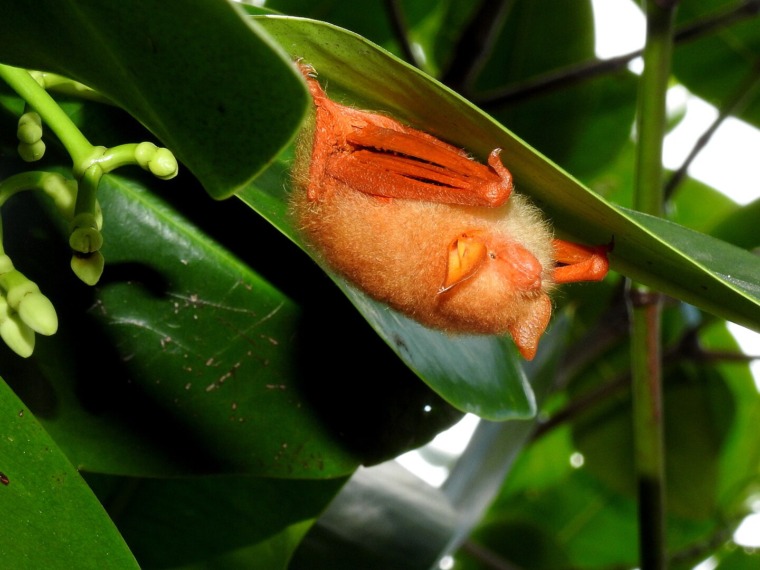
Scientists were alarmed to find stuffed bats being sold online as decorations. Conservationists spread awareness, and by August 2024, eBay and Etsy banned the sale of bat products.

The increasing worldwide trade in ornamental plants means an increase in animals hitchhiking on them. This sometimes leads to an invasive species problem.