Jane Goodall (1934-2025) was a primatologist, conservationist, and an inspiration to millions of children and adults. Mongabay’s founder and CEO, Rhett Ayers Butler, reflects on her incredible life and his friendship with Jane.
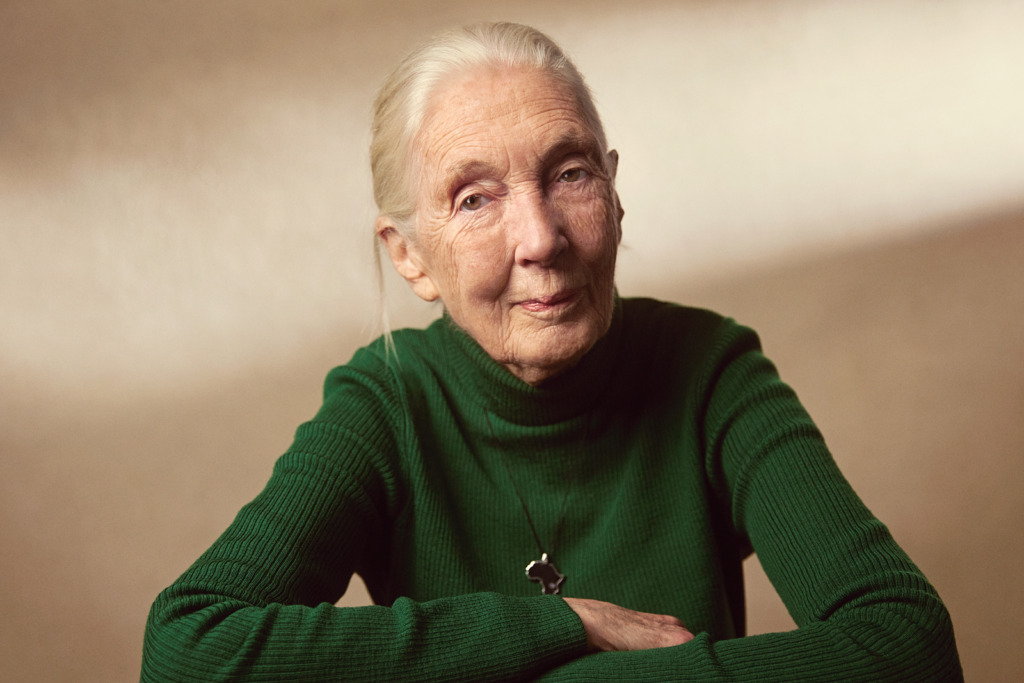
Jane Goodall: A life of hope and chimpanzees
By Rhett Ayers Butler, Founder & CEO of Mongabay
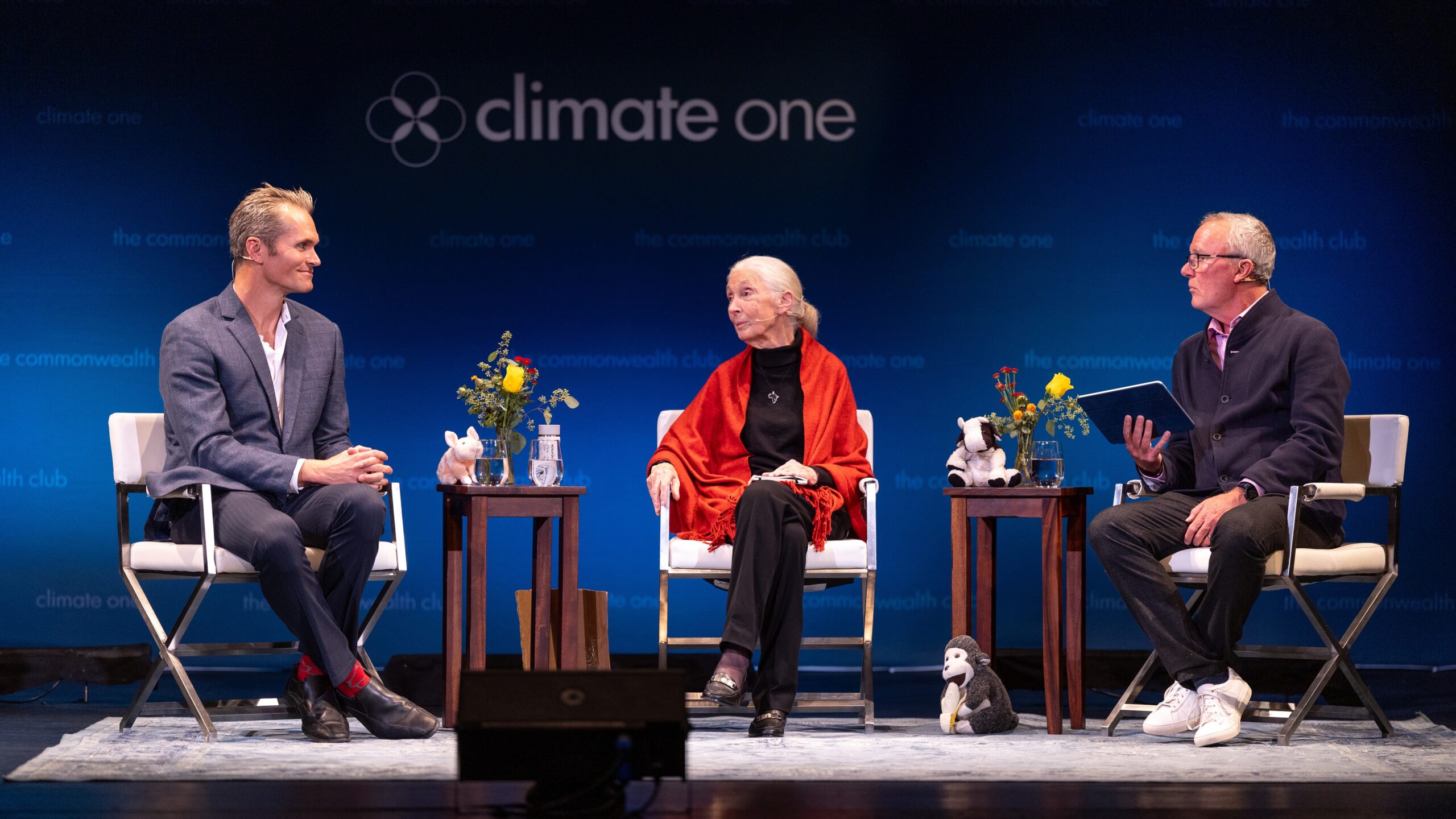
It is hard to believe that Jane Goodall is gone. To me she was not only famous — she was my friend and teacher. She had a way of making every person, from world leaders to small children, feel important. When she met my kids, she crouched down to their level and showed them videos of clever rats on YouTube. “Aren’t they marvelous?” she said, with the same wonder she once had for the chimpanzees of Africa. She told my son he was an inspiration for starting a trash cleanup at his school. Jane always noticed the small things.
Jane was born in London in 1934. Her father gave her a toy chimpanzee named Jubilee when she was little, and it became her favorite. She spent hours reading books like Tarzan of the Apes and dreamed of going to Africa to live with animals. As a girl she once hid in a chicken house for hours, trying to see how an egg was laid. Her mother, instead of scolding her, listened to the story with pride. That support helped Jane believe she could follow her dream.
When she was 23, Jane saved up money from working as a waitress and took a boat to Kenya. There she met the famous scientist Louis Leakey. He sent her to Tanzania to study chimpanzees in the forest of Gombe. At first the chimps ran away from her, but she was patient and gentle. One day she saw a chimp she named David Greybeard use a stick to fish termites from a mound. This was shocking — until then, people thought only humans could make tools. Jane’s discovery changed science forever.
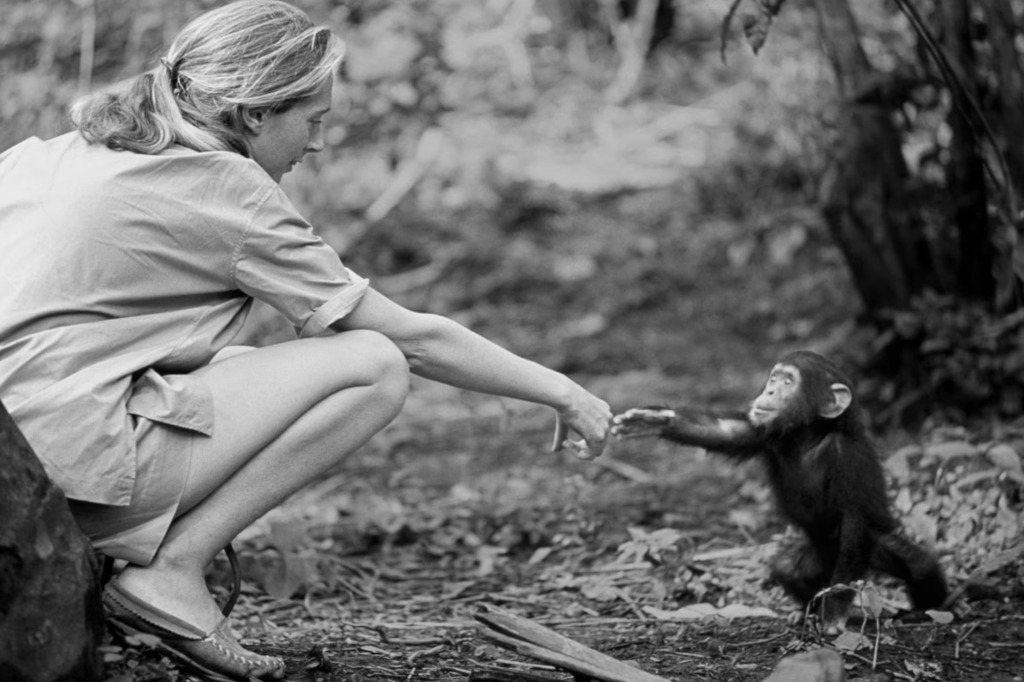
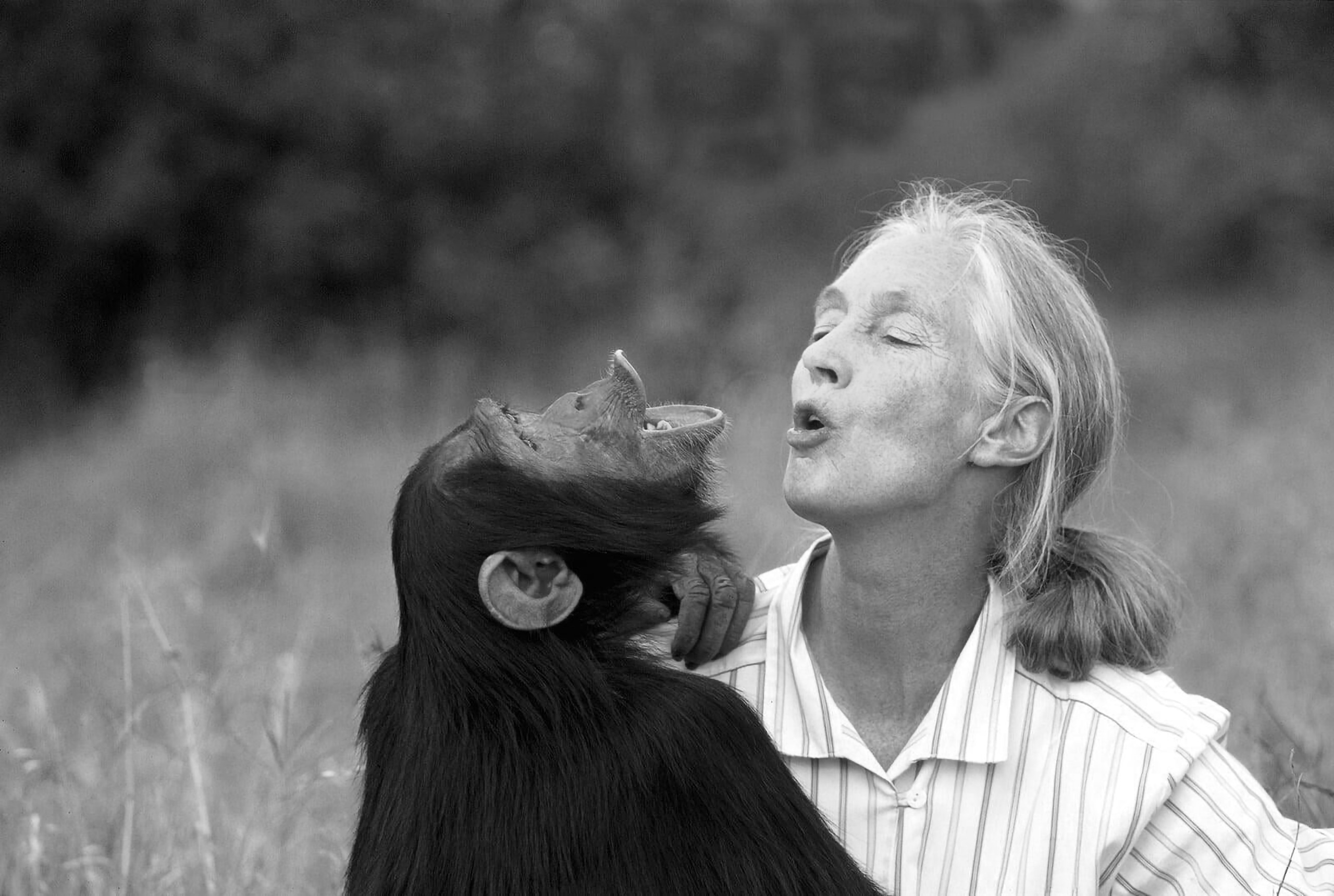
Jane didn’t give chimps numbers like other scientists did. She gave them names — Flo, Fifi, Goliath — and showed the world that animals have feelings like joy, sadness, and even anger. Some scientists said she was wrong, but she proved them right with years of careful notes and films. Her work made the world realize humans are not so different from other animals.
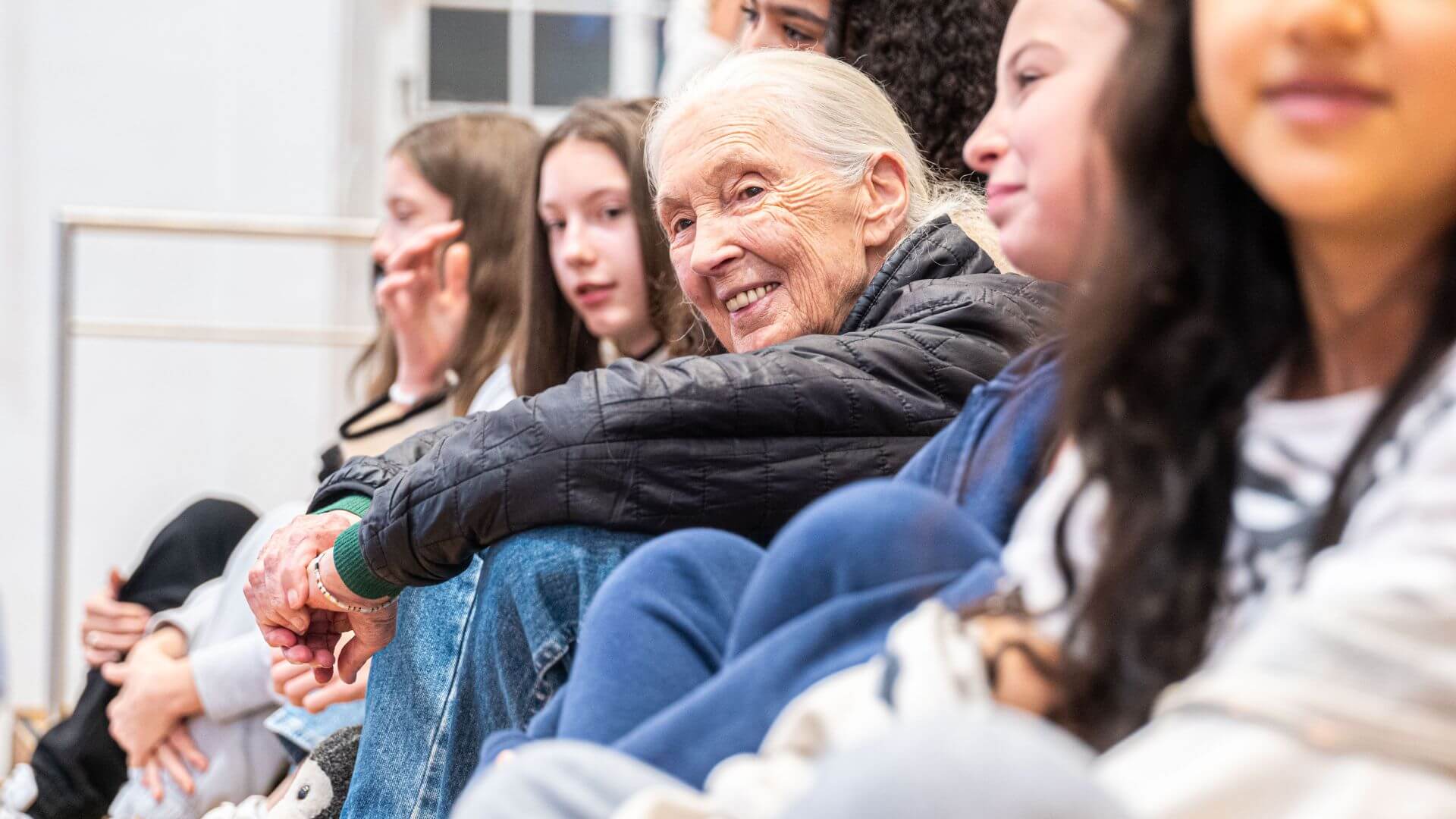
In time, Jane’s work grew beyond science. In 1977 she started the Jane Goodall Institute, which protects chimps and their forests. She also worked with local people, helping villages with health, education, and farming so families and nature could thrive together. In 1991 she founded Roots & Shoots, a program for young people to do projects that help people, animals, and the environment. Today it exists in more than 100 countries. Jane often said Roots & Shoots was her proudest achievement.
I saw how much hope meant to her. Once, for her birthday, my six-year-old son cut out a comic strip about Jane and asked me to give it to her. When I showed her, she lit up with joy, and we took a photo together holding it. When I brought the photo home, my son glowed. Jane made people of all ages believe their actions mattered.
She received many honors — the U.S. Presidential Medal of Freedom, the title of Dame from the Queen of England, and awards from countries around the world. But more than medals, Jane wanted to be remembered for giving people hope and showing that animals have minds and hearts too.
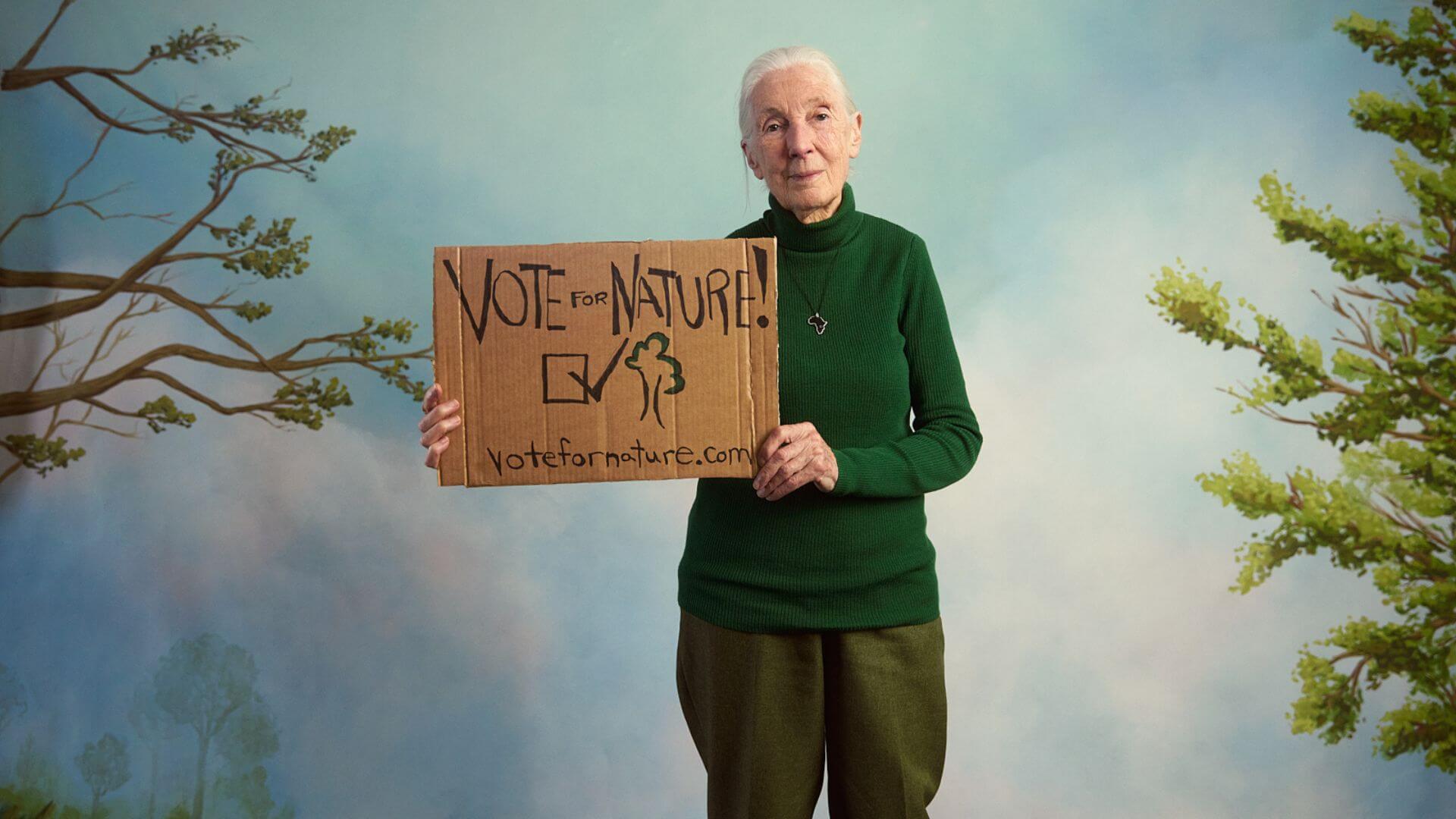
Jane once said we are all walking through a dark tunnel, but at the end there is a shining star called hope. We cannot sit and wait for it. We must move toward it, step by step. Every day, she reminded us, we make an impact. It is up to us to choose what kind of impact it will be.